

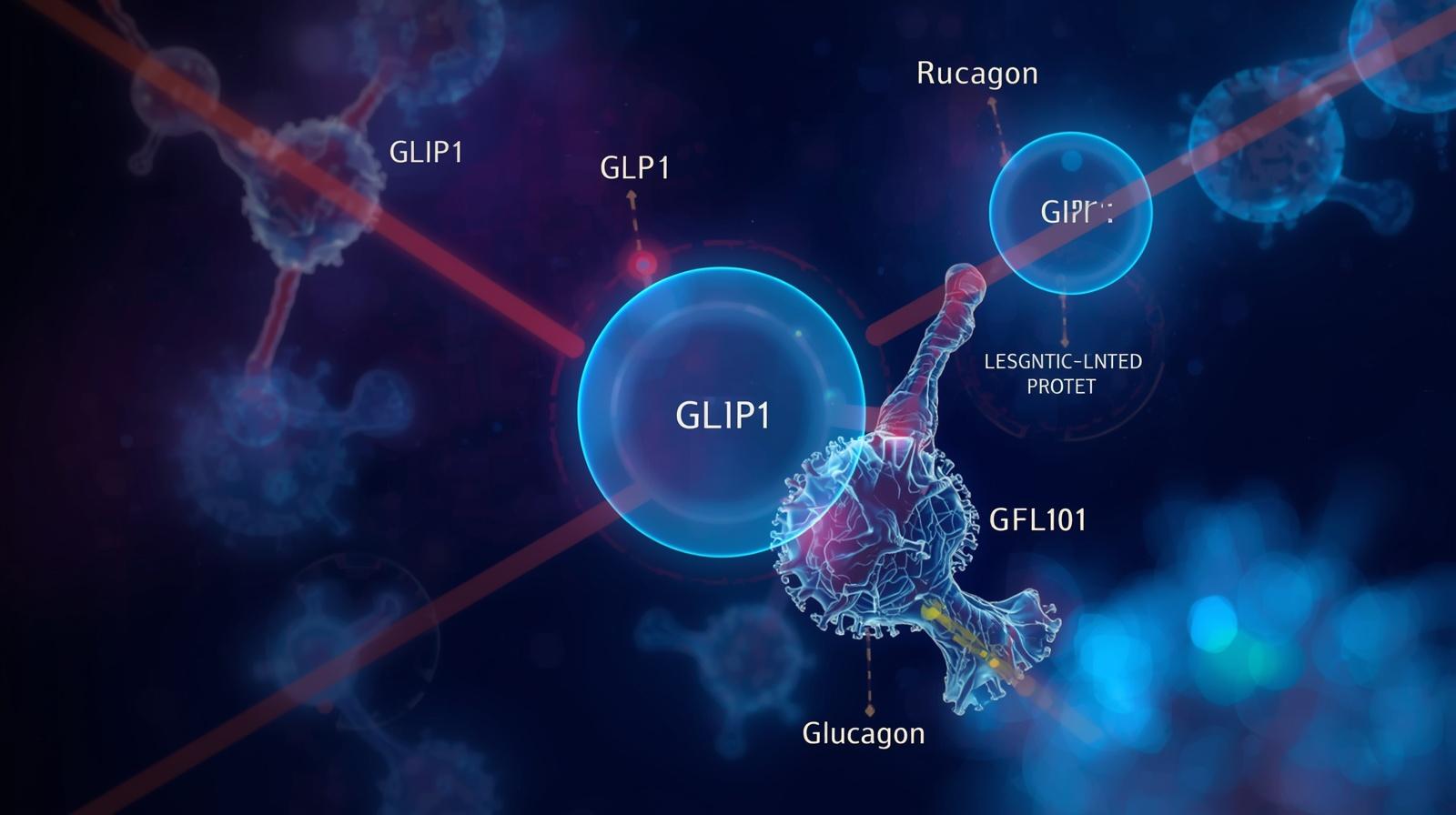
Table of Contents:
-
- What Are GLP-1, GIP, Glucagon
- Single vs Multi-Receptor Compounds
- Why Researchers Study Multi-Pathway Activation
- Current Research Developments
What Are GLP-1, GIP, and Glucagon Pathways?
In the realm of endocrinology and metabolic studies, GLP-1 (Glucagon-Like Peptide-1), GIP (Gastric Inhibitory Polypeptide), and glucagon are pivotal peptides that play a significant role in the regulation of glucose homeostasis and energy metabolism. Understanding these peptides is essential for health enthusiasts, healthcare professionals, and researchers focused on metabolic disorders.
Overview of GLP-1
GLP-1 is an incretin hormone released by the intestinal L-cells in response to food intake. It has multiple functions, including stimulating insulin secretion from the pancreas, inhibiting glucagon release, and slowing gastric emptying. These actions collectively help to reduce postprandial blood glucose levels, making GLP-1 a target for diabetes treatment.
Beyond its role in glucose regulation, GLP-1 also possesses neuroprotective and cardioprotective properties. Its involvement in appetite regulation has garnered interest in obesity research, as GLP-1 promotes satiety and reduces food intake. Therapeutic agents mimicking GLP-1, such as GLP-1 receptor agonists, have gained prominence in recent years.
Overview of GIP
GIP, another incretin hormone, is secreted by the K-cells of the duodenum and jejunum. Unlike GLP-1, GIP primarily functions to stimulate insulin secretion in response to nutrient intake, particularly fats and carbohydrates. However, its role appears to be more complex, given that GIP can also promote fat deposition and has less pronounced effects on appetite modulation compared to GLP-1.
Research has indicated that GIP might play a role in the development of obesity and metabolic syndrome, as its secretion is often elevated in individuals with these conditions. Understanding GIP’s complex role in metabolism is crucial for developing effective treatments for related disorders.
Overview of Glucagon
Glucagon, produced by the alpha cells of the pancreas, is a peptide hormone that plays a critical role in increasing blood glucose levels. It promotes glycogen breakdown in the liver and the production of glucose through gluconeogenesis. While glucagon’s primary role is to counteract hypoglycemia, its involvement in metabolic processes extends beyond blood glucose regulation.
Recent studies have highlighted glucagon’s potential role in energy expenditure and lipid metabolism. Its synergistic relationship with insulin is vital for maintaining metabolic balance, making glucagon another key focus in diabetes and obesity research.
Role in Metabolism
The interplay between GLP-1, GIP, and glucagon forms a complex network that regulates metabolism. While GLP-1 and GIP enhance insulin secretion, glucagon counterbalances these effects by elevating glucose levels when necessary. This delicate balance is crucial for maintaining homeostasis, particularly after meals.
Disruptions in this regulatory system can lead to metabolic disorders such as type 2 diabetes and obesity. Understanding how these peptides interact can provide insights into new therapeutic strategies aimed at restoring metabolic balance.
Single vs Multi-Receptor Compounds

Definition of Single-Receptor Compounds
Single-receptor compounds are therapeutic agents that target a specific receptor to elicit a desired physiological response. For instance, GLP-1 receptor agonists are designed to bind exclusively to GLP-1 receptors, enhancing insulin secretion and suppressing glucagon release. While effective in managing certain conditions, these agents often fall short in addressing the multifaceted nature of metabolic disorders.
Definition of Multi-Receptor Compounds
In contrast, multi-receptor compounds interact with more than one receptor, allowing for a broader range of physiological effects. These compounds can activate pathways associated with GLP-1, GIP, and glucagon, which may offer a more comprehensive approach to treating metabolic disorders. By simultaneously targeting multiple receptors, these agents can exploit synergistic effects that enhance metabolic outcomes.
Advantages of Multi-Receptor Compounds
The primary advantage of multi-receptor compounds lies in their ability to produce enhanced therapeutic effects. By activating multiple pathways, these compounds can improve insulin sensitivity, regulate appetite, and promote weight loss more effectively than single-receptor agents. This multi-faceted approach is particularly beneficial in populations struggling with obesity and type 2 diabetes, where a singular focus may not yield sufficient results.
Additionally, multi-receptor compounds may reduce the likelihood of adverse effects due to their balanced interaction with various receptors. This interaction can lead to more stable pharmacokinetics and a lower chance of developing tolerance, enhancing the overall efficacy of the treatment.
Why Researchers Study Multi-Pathway Activation
Synergistic Effects on Metabolism
Research into multi-pathway activation is driven by the potential for synergistic effects on metabolism. Combining the actions of GLP-1, GIP, and glucagon can lead to enhanced glucose control, better appetite regulation, and improved lipid metabolism. This interplay is particularly important for individuals with metabolic disorders, who often experience a complex array of symptoms that cannot be adequately addressed by targeting a single pathway.
Studies have shown that multi-receptor activation can result in additive or even multiplicative effects on insulin sensitivity and glucose tolerance, making it a promising area of research for therapeutic development. This understanding is vital as it allows for the design of more effective treatments that consider the intricate interactions between different hormonal pathways.
Potential for Weight Management
One of the most compelling reasons to explore multi-pathway activation is its potential for effective weight management. Many individuals with obesity struggle with both insulin resistance and altered hormonal signaling, leading to increased appetite and decreased energy expenditure. Multi-receptor compounds targeting GLP-1, GIP, and glucagon can help address these issues simultaneously.
Research indicates that multi-receptor agonists can enhance feelings of fullness while reducing hunger and cravings. This dual action not only promotes weight loss but also aids in maintaining weight loss over time, a significant challenge faced by many individuals who attempt dietary changes or pharmacotherapy.
Implications for Diabetes Treatment
The implications for diabetes treatment are profound. With the rise of type 2 diabetes globally, there is an urgent need for innovative therapies that can effectively manage this condition. Multi-receptor compounds offer a novel approach to treating diabetes by regulating blood sugar levels while also promoting weight loss””an essential factor in managing type 2 diabetes.
Clinical trials are currently investigating the efficacy of these compounds, with early results showing promise in improving glycemic control and reducing the need for insulin therapy in some patients. This advancement could transform the treatment landscape for diabetes, providing patients with more effective and holistic options.
Current Research Developments

Latest Findings in GLP-1 Research
Recent studies have further elucidated the diverse roles of GLP-1 beyond its insulinotropic effects. Researchers have discovered that GLP-1 may influence brain function, specifically in areas related to appetite regulation and reward pathways. This connection suggests that GLP-1 could be pivotal in treating not just diabetes, but also obesity and eating disorders.
Moreover, advancements in GLP-1 receptor agonists have led to the development of long-acting formulations that enhance patient compliance and therapeutic outcomes. These new agents may offer sustained glycemic control with fewer injections, making them more appealing for individuals managing chronic conditions.
Breakthroughs in GIP Studies
GIP research has evolved significantly, with recent findings indicating that GIP may play a protective role in pancreatic health. Studies suggest that GIP can improve beta-cell function and survival, which is crucial for insulin production. This discovery opens the door for potential therapeutic strategies targeting GIP in diabetes management.
Additionally, researchers are exploring GIP’s role in fat metabolism and its impact on weight gain in individuals with insulin resistance. Understanding these mechanisms can lead to the development of targeted interventions aimed at mitigating the adverse effects of obesity on metabolic health.
Innovations in Glucagon Pathways Research
Innovations in glucagon research are also noteworthy, particularly regarding its role in energy balance and weight loss. Studies have shown that glucagon can stimulate lipolysis, the breakdown of fats for energy. This dual function as both a glucose-raising hormone and a fat-burning agent highlights glucagon’s potential as a therapeutic target for obesity and diabetes.
Current research is investigating the development of glucagon receptor antagonists, which may help in reducing excessive glucagon secretion seen in type 2 diabetes. The possibility of combining glucagon antagonism with GLP-1 and GIP agonism could lead to revolutionary treatments that address multiple facets of metabolic dysfunction.
Future Directions in Multi-Receptor Peptide Research
As research advances, the future directions in multi-receptor peptide research focus on optimizing the therapeutic profiles of these compounds. Investigators are looking to create novel agents that not only activate GLP-1, GIP, and glucagon pathways but also improve patient adherence and minimize side effects.
Moreover, personalized medicine approaches are emerging, with the potential to tailor multi-receptor therapies based on individual metabolic profiles. This could enhance treatment outcomes by ensuring patients receive the most effective therapies for their specific conditions, ultimately leading to improved quality of life.
FAQs
What is the primary role of GLP-1?
GLP-1 primarily stimulates insulin secretion, inhibits glucagon release, and slows gastric emptying, all of which help regulate blood glucose levels.
How do GIP and GLP-1 differ in function?
While both GIP and GLP-1 are incretin hormones, GIP’s primary function is to stimulate insulin secretion in response to nutrient intake, whereas GLP-1 also plays a significant role in appetite regulation and gastric emptying.
What are the benefits of multi-receptor compounds?
Multi-receptor compounds can produce synergistic effects on metabolism, improve insulin sensitivity, regulate appetite, and promote weight loss more effectively than single-receptor agents.
How are GLP-1 and glucagon related?
GLP-1 and glucagon have opposing effects on blood glucose levels; GLP-1 lowers glucose, while glucagon raises it. Their balance is crucial for maintaining metabolic homeostasis.
What advancements are being made with GIP research?
Recent advancements in GIP research indicate its potential protective role in pancreatic health and its involvement in fat metabolism, leading to new therapeutic possibilities for managing diabetes and obesity.
Conclusion
The exploration of GLP-1, GIP, and glucagon pathways reveals a complex interrelationship that is pivotal to understanding metabolic regulation. Multi-receptor peptide research holds great promise for advancing treatment options for metabolic disorders, particularly type 2 diabetes and obesity.
As studies continue to uncover the intricate roles of these peptides and their potential for synergistic effects, the development of multi-receptor compounds could reshape therapeutic strategies. Future research will undoubtedly enhance our understanding of these pathways and their applications in clinical practice, ultimately leading to better health outcomes for individuals struggling with metabolic challenges.


 Your Information will never be shared with any third party.