Peptide Industry Conferences & Scientific Engagement
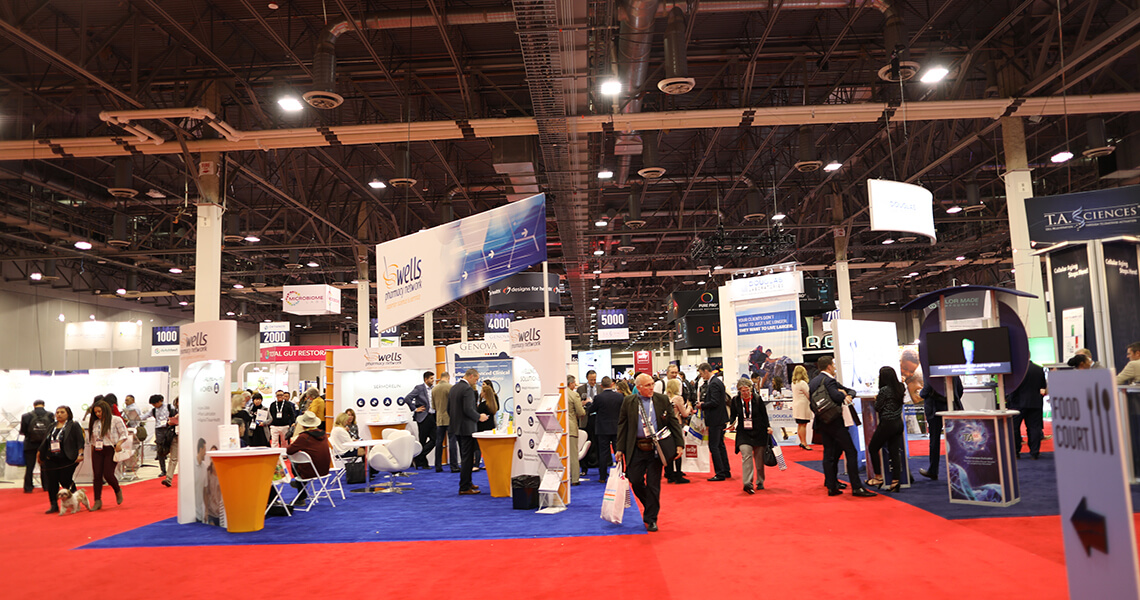
NeuroPeptLabs actively monitors leading peptide chemistry, biopharmaceutical manufacturing, and protein science conferences across the United States to stay aligned with current research, formulation advances, and industry standards.
The peptide and biologics sector continues to evolve rapidly, driven by advances in solid-phase synthesis, stability optimization, formulation science, and regulatory standards.
To remain aligned with emerging data and best practices, NeuroPeptLabs follows major U.S. conferences that shape peptide chemistry, protein production, and translational development.
The following events represent key touchpoints within the academic, manufacturing, and clinical peptide ecosystem.
The APS Symposium is one of the primary academic forums dedicated exclusively to peptide science. Discussions typically include solid-phase synthesis optimization, analytical validation, conformational stability, and translational peptide therapeutics.
A4M events reflect the applied clinical landscape where peptide-based therapeutics are discussed within medical and longevity frameworks.
Scientific Monitoring & Industry Alignment
NeuroPeptLabs maintains awareness of academic, manufacturing, and clinical conference developments to remain aligned with evolving peptide research standards.
While we do not represent or sponsor these events, our continued monitoring of scientific forums reflects our commitment to data-driven awareness and responsible industry positioning.
Event schedules, locations, and program content are subject to change. Please refer to official event organizers for the most current information.
Peptide research continues to expand across multiple scientific disciplines, including molecular biology, tissue research, and cellular signaling studies. GLOW is a research-grade peptide formulation developed for laboratory and in vitro research applications. This blend combines three well-studied peptides—GHK-Cu, BPC-157, and TB-500—each of which has been the subject of extensive scientific investigation.
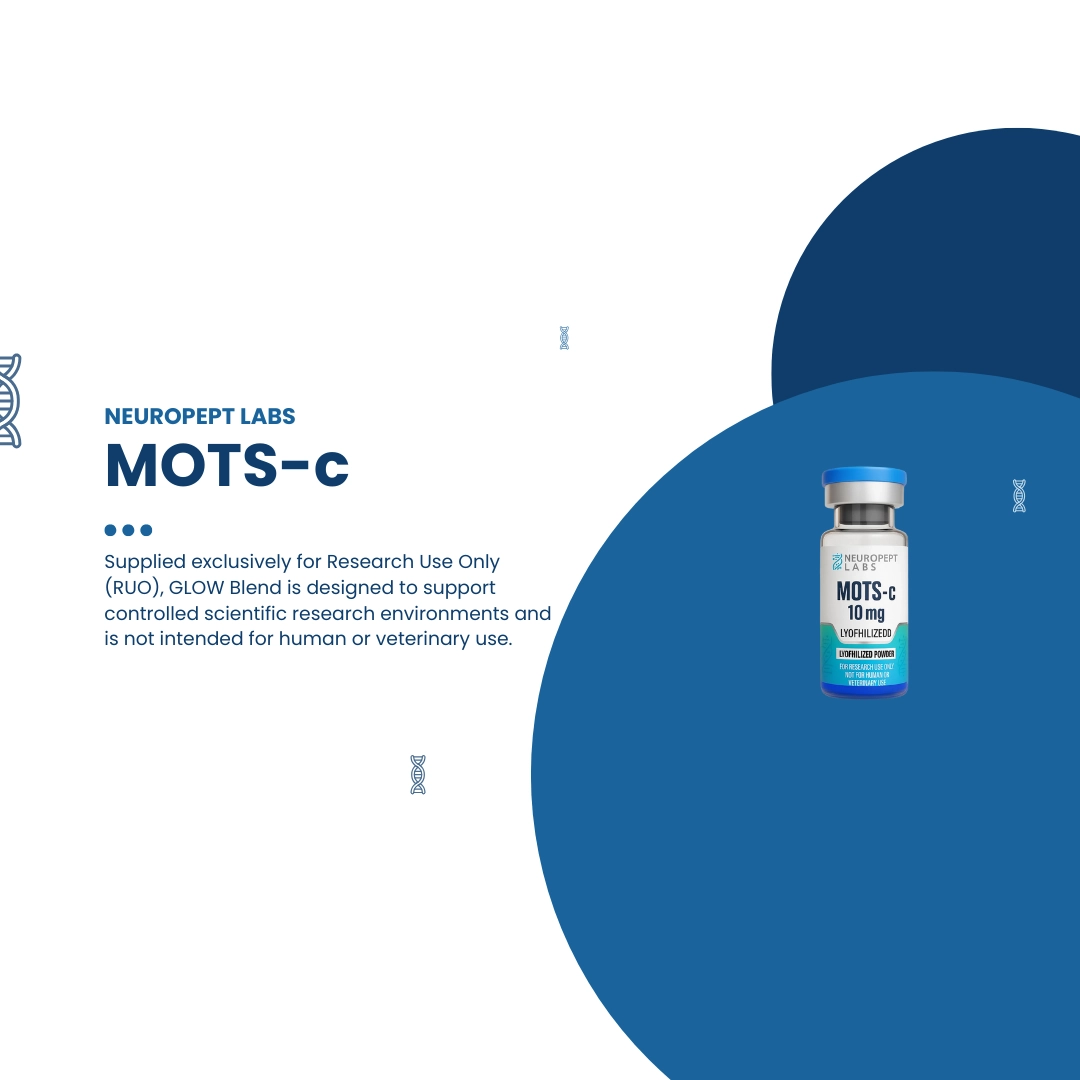
Mitochondrial-derived peptides have become an area of growing interest in modern biological research. Among these compounds, MOTS-c has attracted significant attention due to its role in cellular metabolism, mitochondrial signaling, and stress-response pathways.
Peptide Blood-Brain Barrier Transport: How Nootropic Peptides Reach the CNS
Research-only note: This article is for educational purposes and discusses a compound intended strictly for in vitro and laboratory research. The information below is not medical advice, and the products referenced are not for human consumption.
Peptide blood-brain barrier transport is the set of physical and biological routes by which a peptide moves from the circulation, or from the nasal cavity, into brain tissue. Because the barrier excludes nearly all large or polar molecules, the peptide blood-brain barrier question decides whether a central effect in an animal model is even plausible. This guide explains why the barrier is so restrictive, which transport routes are documented, and why short regulatory peptides such as Semax are usually studied by the intranasal route.
Key takeaways
The peptide blood-brain barrier is formed by brain endothelial cells sealed with tight junctions, not by a single membrane.
Most peptides are too large, too polar, or too quickly degraded to cross by passive diffusion.
Efflux pumps such as P-glycoprotein and endothelial peptidases remove or destroy much of what does enter.
Carrier-mediated, receptor-mediated and adsorptive transcytosis are the documented active routes.
The nose-to-brain pathway along olfactory and trigeminal nerves partly bypasses the barrier in animal models.
Measured brain exposure, not assumed exposure, should anchor any central-nervous-system study design.
What is the peptide blood-brain barrier?
The blood-brain barrier (BBB) is a specialized interface between the circulation and the brain parenchyma. Endothelial cells lining brain capillaries are joined by continuous tight junctions, lack the fenestrations seen in peripheral capillaries, and carry very few transport vesicles. Pericytes, astrocyte end-feet and the basement membrane complete the neurovascular unit. When researchers talk about the peptide blood-brain barrier, they mean how this unit treats molecules built from amino acids.
The scale of the problem is well described in Pardridge (NeuroRx, 2005), which argues that the vast majority of small molecules and essentially all large molecules fail to cross the BBB in pharmacologically meaningful amounts. Peptides sit in the most difficult zone: larger than typical small molecules, rich in hydrogen-bond donors, and often charged at physiological pH.
Tight junctions: claudin-5, occludin and ZO-1 seal the paracellular gap between endothelial cells.
Low vesicle traffic: brain endothelium shows much less non-specific pinocytosis than peripheral vessels.
Efflux transporters: P-glycoprotein and related ABC pumps push many substrates back into blood.
Metabolic barrier: endothelial aminopeptidases and endopeptidases cleave peptides in transit.
Selective carriers: dedicated transporters admit glucose, amino acids and certain hormones.
Mechanism of action: why peptides are excluded
Passive diffusion across the endothelium requires a molecule to dissolve into, and then out of, the lipid membrane. The often-quoted rule of thumb is that efficient passive entry favours compounds below about 400–500 Da with few hydrogen bonds. A heptapeptide such as Semax is roughly 800 Da, and most nootropic peptides carry charged side chains, so the passive peptide blood-brain barrier crossing rate is low before enzymes even act.
Several steps act in sequence, each shrinking the intact fraction that reaches brain tissue:
Plasma degradation: circulating peptidases shorten half-life to minutes for many unmodified sequences.
Binding and dilution: plasma protein binding and distribution lower the free concentration at the vessel wall.
Membrane partitioning: polarity and charge limit entry into the endothelial lipid bilayer.
Endothelial cleavage: peptidases on the luminal and abluminal membranes fragment the sequence.
Active efflux: ABC transporters return a portion of any substrate that does enter the cell.
This peptide blood-brain barrier cascade explains why a sequence active in cell culture can show little central effect after peripheral dosing, and the interest in stabilized analogues. Semax, for example, extends the ACTH(4–7) fragment with a Pro-Gly-Pro tail that resists degradation, and the related anxiolytic research peptide Selank uses the same stabilizing strategy on a tuftsin backbone.
Comparing peptide blood-brain barrier transport routes
Not every peptide is shut out completely. Four transcellular routes and one non-vascular route appear repeatedly in the literature. They differ greatly in capacity, selectivity and how well the evidence supports them for any specific sequence.
Route
How it works
Capacity
Selectivity
Evidence strength
Passive diffusion
Dissolution through endothelial membranes
Very low for most peptides
Driven by size, lipophilicity, charge
Strong (well characterized)
Carrier-mediated transport (CMT)
Solute carriers for nutrients and small peptides
Moderate, saturable
High; strict structural fit
Moderate; few peptides confirmed
Receptor-mediated transcytosis (RMT)
Ligand binds a receptor such as the transferrin or insulin receptor and is shuttled in vesicles
Low to moderate, saturable
High; ligand-specific
Strong for engineered shuttles
Adsorptive-mediated transcytosis (AMT)
Cationic or lectin-binding peptides trigger non-specific vesicle uptake
Moderate
Low; charge-driven
Moderate; mostly preclinical
Intranasal (nose-to-brain)
Olfactory and trigeminal nerve pathways from the nasal cavity
Low fraction of dose, rapid onset
Low; depends on deposition site
Moderate; strong in rodents
Why the comparison matters for peptide blood-brain barrier work:
Saturable routes (CMT, RMT) can plateau, so central exposure may not rise in proportion to dose.
Charge-driven AMT is non-selective and can increase uptake into peripheral tissues too.
Receptor-mediated transcytosis is the basis of most engineered brain-shuttle constructs.
Intranasal delivery trades total exposure for speed and partial bypass of the barrier.
Route choice changes what a negative result means: absence of effect may simply reflect absence of exposure.
Research applications of intranasal peptide delivery
The nose-to-brain route is the main reason short regulatory peptides are studied in central models. After intranasal application in rodents, a fraction of the dose travels along the olfactory nerve to the olfactory bulb and along trigeminal branches to the brainstem, moving extracellularly along perineural and perivascular spaces. Lochhead and Thorne (Adv Drug Deliv Rev, 2012) review these pathways in detail and describe how they let biologics reach the CNS within minutes while limiting systemic exposure.
Mapping regional brain distribution of labelled peptides after intranasal versus intravenous dosing in animal models.
Comparing olfactory bulb, cortex and brainstem levels to separate olfactory from trigeminal transport.
Testing absorption enhancers, mucoadhesive gels and nanoparticle carriers that alter nasal residence time.
Studying expression changes in neurotrophic factors, such as BDNF, in rodent models exposed to Semax-class peptides.
Evaluating how enzyme-resistant modifications change the brain-to-plasma ratio of a sequence.
Characterizing the peptide blood-brain barrier interface in in vitro endothelial monolayer and co-culture models.
Structural features that favour peptide blood-brain barrier penetration
Medicinal chemistry offers several levers that improve stability or transport. None guarantees entry, but each alters one step of the exclusion cascade. The broader peptide blood-brain barrier literature groups them into three families: stability, lipophilicity and targeting.
Short length: fewer residues lower molecular weight and hydrogen-bond count.
Proline-rich tails: Pro-Gly-Pro and similar motifs resist many common peptidases.
D-amino acids and N-methylation: slow enzymatic cleavage and can raise membrane permeability.
Cyclization: reduces conformational freedom and masks backbone polarity.
Lipidation: adds a fatty chain that improves membrane partitioning and albumin binding.
Shuttle conjugation: links a cargo to a ligand that engages a transcytosis receptor.
Mitochondria-derived peptides offer an interesting contrast. MOTS-c is a 16-residue peptide studied mainly for peripheral metabolic signalling, and its central distribution is far less characterized than its activity in muscle and liver. Researchers comparing CNS-oriented and peripherally oriented sequences can use research-grade MOTS-c as a peripheral reference when designing distribution experiments.
Handling, reconstitution, and quality verification
Transport experiments are unusually sensitive to material quality, because small amounts of degradation products or truncated sequences can be mistaken for metabolites in the brain sample.
Store lyophilized peptide at ?20 °C or colder, sealed and protected from light and moisture.
Equilibrate vials to room temperature before opening to prevent condensation.
Reconstitute with sterile water or a validated buffer and record pH and final concentration.
Prepare single-use aliquots to avoid repeated freeze-thaw cycles that generate fragments.
Confirm identity and purity with HPLC and mass spectrometry before any peptide blood-brain barrier assay.
Verify batch-specific certificates of analysis at freedomdiagnosticstesting.com using the accession details supplied.
A credible peptide blood-brain barrier study measures exposure directly and controls the variables that distort it. The most common design flaws are assuming CNS entry from a behavioural readout and ignoring vascular contamination of brain samples.
Route of administration: intravenous, intraperitoneal, subcutaneous and intranasal routes give very different profiles.
Vascular correction: perfuse animals or correct for residual blood volume in brain homogenate.
Intact versus fragment: use LC-MS methods that separate parent peptide from metabolites.
Time course: sample several time points; intranasal peaks are often early and short.
Regional sampling: olfactory bulb, cortex, hippocampus and brainstem may differ by an order of magnitude.
Efflux controls: transporter inhibitors or knockout models clarify the role of P-glycoprotein.
In vitro models: report transendothelial electrical resistance (TEER) and paracellular marker permeability.
Clean, reproducible data on peptide blood-brain barrier transport depends on knowing exactly what was administered. Verified high-purity material, documented handling and direct exposure measurements together make it possible to interpret both positive and negative results with confidence.
Frequently asked questions
What is the peptide blood-brain barrier?
It is the brain endothelial interface, sealed by tight junctions and equipped with efflux pumps and peptidases, that limits how peptides move from blood into brain tissue.
Why do most peptides fail to cross the blood-brain barrier?
Most peptides are too large and polar for passive diffusion, are degraded by plasma and endothelial enzymes, and may be pumped back out by efflux transporters.
What is receptor-mediated transcytosis?
It is a vesicle-based route in which a ligand binds an endothelial receptor, such as the transferrin or insulin receptor, and is carried across the cell to the brain side.
Why is Semax studied by the intranasal route?
Intranasal application in animal models lets a fraction of a short peptide travel along olfactory and trigeminal pathways, partly bypassing the barrier and reaching brain regions within minutes.
How do researchers confirm a peptide reached the brain?
They measure intact peptide in perfused brain tissue or interstitial fluid with LC-MS or labelled tracers, correct for vascular contamination, and sample several regions and time points.
Is peptide blood-brain barrier research relevant to human use?
No. The compounds discussed are sold strictly for in vitro and laboratory research, are not approved for human use, and nothing here is a dosing or treatment recommendation.
Peptide Impurities Explained: Deletion Sequences, Truncation and Oxidation
Research-only note: This article is for educational purposes and discusses a compound intended strictly for in vitro and laboratory research. The information below is not medical advice, and the products referenced are not for human consumption.
Peptide impurities are the non-target molecular species that accompany a synthetic peptide in its final vial — chains missing a residue, chains that stopped growing early, protecting groups that never came off, and oxidised or deamidated variants formed after synthesis. When a certificate of analysis reports 99% purity for a compound such as CJC-1295 No DAC, the remaining 1% is not inert filler; it is a structured population of closely related molecules, each with its own origin and analytical signature.
Key takeaways
Peptide impurities fall into two families: process-related species created during solid-phase synthesis, and degradation species that accumulate afterwards in storage.
Deletion sequences are missing one internal residue; truncated sequences stopped elongating and are missing everything above a given position.
Methionine and tryptophan oxidation adds roughly +16 Da per oxygen and is the most common storage-driven impurity.
Deamidation adds only +0.98 Da — invisible to UV detection and resolvable only by high-resolution mass spectrometry.
Aggregation and disulfide scrambling change no mass at all, so they are detected chromatographically.
Batch-specific HPLC and MS documentation is the only way to know which peptide impurities a lot actually contains.
What are peptide impurities?
A synthetic peptide is assembled one residue at a time, and every coupling step yields below 100%. Across a 29-residue sequence that shortfall compounds, so the crude material leaving the resin is always a mixture. Purification removes most of it, but the species that survive are precisely those resembling the target most closely in mass, hydrophobicity, and chromatographic behaviour. That is the defining characteristic of peptide impurities in a finished vial: near-neighbours of the intended molecule, not obvious contaminants.
Analytical literature separates them into process-related and product-related categories. Process-related peptide impurities originate in synthesis, cleavage, and purification; product-related species arise later, as the molecule reacts with oxygen, water, light, or itself. HPLC-UV alone can miss co-eluting variants, so high-resolution mass spectrometry is often required to distinguish them — a point developed in this review of LC–high resolution MS for peptide drug quality control. Our companion article on peptide purity by HPLC and mass spectrometry covers the instrumentation.
Non-peptidic: residual solvents, scavengers, and counter-ions such as trifluoroacetate.
How peptide impurities form during synthesis
Solid-phase synthesis runs a repeating cycle: deprotect, couple the next activated amino acid, wash, repeat. Each operation has a characteristic failure mode, and each produces a distinct class of peptide impurities identifiable by mass difference.
Incomplete coupling: a fraction of chains misses the incoming residue, is deprotected next cycle and keeps growing — the classic deletion sequence, lighter by exactly one residue mass.
Capping and termination: acetic anhydride blocks unreacted chains permanently, converting deletions into truncated peptides — easier to separate, but still mass in the vial.
Incomplete deprotection: side-chain groups surviving final cleavage leave characteristic adducts — roughly +56 Da for a retained tert-butyl, +242 Da for trityl, +252 Da for Pbf on arginine.
Racemisation: activated cysteine and histidine can epimerise into diastereomers of identical molecular weight, and difficult stretches prone to on-resin aggregation concentrate deletion-type peptide impurities at specific positions.
Degradation impurities: oxidation, deamidation, and aggregation
The second family of peptide impurities does not exist when the vial is filled. It forms afterwards, driven by the storage environment — and it is the family a research lab directly controls.
Methionine oxidation: the thioether sulfur converts to the sulfoxide (+15.995 Da) and, under harsher conditions, the sulfone (+31.99 Da); trace iron and copper catalyse it.
Tryptophan oxidation: gives hydroxytryptophan and kynurenine products, accelerated by light.
Hydrolysis: backbone cleavage at Asp-Pro and Asp-Gly bonds gives truncation-like fragments, but only after reconstitution in aqueous buffer.
Disulfide scrambling: cysteine-containing peptides re-pair incorrectly into isomers of identical mass.
Aggregation: monomers associate into dimers, oligomers, and insoluble particulates, lowering effective concentration without changing monomer mass; freeze–thaw cycling generates it reliably in an otherwise clean lot.
Peptide impurities at a glance: origin, signature, consequence
Classifying peptide impurities is useful because each class leaves a different fingerprint across the two analytical methods shown on a certificate.
Impurity type
Origin
Analytical signature
Research consequence
Deletion sequence
Incomplete coupling
Shoulder on the main HPLC peak; one-residue mass shift (?57 Da Gly, ?113 Da Leu)
Inactive or partially active analogue in the same assay
Truncated sequence
Chain termination or capping
Earlier-eluting peak; large negative mass shift
Usually inactive; inflates apparent peptide mass
Protecting-group adduct
Incomplete deprotection
Later, more hydrophobic peak; +56 / +242 / +252 Da
Altered solubility and receptor binding
Met / Trp oxidation
Storage, light, trace metals
Earlier-eluting peak; +16 Da per oxygen
Reduced potency; drift across a study
Deamidation
Asn/Gln via succinimide
Split or broadened peak; +0.98 Da, needs high-resolution MS
Charge change; altered stability and binding
Aggregation
Physical association in solution
Haze or SEC high-molecular-weight peak; no mass change
Negative mass shifts point upstream to synthesis; positive shifts usually point downstream to storage chemistry.
A UV chromatogram alone cannot separate deamidation from the parent, which is why MS is the confirmatory method.
Species eluting close to the main peak are hardest to remove and most likely to persist.
Why peptide impurities matter in research applications
In a laboratory setting the concern is interpretability, not toxicity. Peptide impurities distort the relationship between what is weighed out and what reaches the target in an assay.
Concentration error: if 3% of the material is truncated fragments, nominal concentration overstates active compound by the same margin.
Receptor pharmacology: deletion analogues may retain partial affinity and act as weak agonists or competitive antagonists.
Dose–response distortion: impurity-driven potency loss shifts EC50 values without changing curve shape, easily misread as a biological effect.
Cross-batch drift: two lots of identical stated purity can carry different impurity profiles and give different results.
Reproducibility: unexplained variance between experiments is often a material-quality problem, not a protocol one.
Sequence-specific vulnerability: why some compounds degrade faster
Not every sequence is equally exposed. The impurity profile a compound can develop is written into its amino acid composition — which is why chemists engineer vulnerable residues out of research analogues.
CJC-1295 No DAC, also called Modified GRF (1-29), illustrates this directly. It carries four substitutions relative to native GHRH(1-29), and two exist specifically to remove degradation liabilities: glutamine at position 8 replaces a deamidation-prone asparagine, and leucine at position 27 replaces an oxidation-prone methionine. The D-alanine at position 2 blocks enzymatic cleavage, and alanine at 15 supports receptor potency.
Met- and Trp-containing sequences such as Semax, which begins with methionine, carry an intrinsic oxidation risk that handling must account for.
Asn-Gly motifs are the strongest single predictor of deamidation-type peptide impurities appearing during storage.
Short, compact sequences such as Ipamorelin involve fewer coupling cycles and so fewer opportunities for deletion sequences.
Longer chains accumulate synthesis-related peptide impurities roughly in proportion to residue count.
Handling, reconstitution, and quality verification
Most of the degradation-type peptide impurities described above are preventable. The lyophilized state is chemically quiet because the reactions that create them need water, oxygen, or light to proceed.
Store lyophilized material at ?20 °C or colder, sealed and dark, and let vials reach room temperature before opening to avoid condensation.
Reconstitute with bacteriostatic or sterile water directed down the vial wall rather than onto the powder, and swirl instead of shaking.
Refrigerate and aliquot reconstituted solutions, and record the reconstitution date — solution stability is measured in weeks.
Avoid metal contact and prolonged light for methionine- or tryptophan-containing sequences.
Read the certificate of analysis for area-percent purity, MS-confirmed molecular weight, and the largest single impurity — not just the headline number.
Confirm the COA is batch-specific. NeuroPept Labs batches are third-party verified and checkable at freedomdiagnosticstesting.com using the Accession Number, Client ID, or Search Code in the product images.
Lock the lot: run a complete study on one batch, and record the lot number in the methods.
Treat purity as a variable, correcting nominal concentrations for net peptide content when the COA reports it.
Re-verify after long storage rather than assuming an old vial still matches its certificate.
Inspect solutions visually for haze or particulates before use, and document any handling or temperature deviation.
Clean data depends on knowing what is in the vial. Batch-documented, HPLC- and MS-characterised material does not eliminate peptide impurities — nothing does — but it makes them known, bounded, and reportable. That is the rationale behind supplying every compound in the NeuroPept Labs catalog with third-party analytics attached to each lot.
Frequently asked questions
What are peptide impurities?
Peptide impurities are non-target molecular species present alongside the intended peptide, including deletion and truncated sequences from synthesis and oxidised, deamidated, or aggregated forms that develop during storage.
What is the difference between a deletion sequence and a truncated peptide?
A deletion sequence is missing one internal residue but retains the rest of the chain, while a truncated peptide stopped growing at some point and is missing every residue above that position.
How are peptide impurities detected?
Reversed-phase HPLC separates them by hydrophobicity and reports area-percent purity, while mass spectrometry identifies them by mass shift. High-resolution MS is needed for small changes such as the +0.98 Da of deamidation.
Does 99% purity mean 99% of the vial contents is peptide?
No. Purity is a chromatographic area-percent figure covering the peptide fraction only. The vial also holds water and counter-ions, so net peptide content is lower than stated purity.
Can peptide impurities form after purchase?
Yes. Oxidation, deamidation, hydrolysis, and aggregation are storage-driven and accumulate with temperature, light, moisture, and repeated freeze–thaw cycling of reconstituted solutions.
Are these research peptides approved for human use?
No. All compounds referenced here are supplied strictly for in vitro and laboratory research. They are not approved for human use and are not for human or veterinary consumption.
Growth Hormone Release Pathways: GHRH-R vs GHS-R1a in Research
Research-only note: This article is for educational purposes and discusses a compound intended strictly for in vitro and laboratory research. The information below is not medical advice, and the products referenced are not for human consumption.
The growth hormone release pathways are the two receptor-driven signaling routes that make a pituitary somatotroph secrete growth hormone (GH): the GHRH receptor (GHRH-R), which signals through Gs and cyclic AMP, and the ghrelin receptor GHS-R1a, which signals through Gq and intracellular calcium. Somatostatin acts as a brake on both. Understanding how these growth hormone release pathways differ explains why a GHS-R1a agonist such as Ipamorelin 10mg and a GHRH analogue are studied as complementary rather than interchangeable tools.
Key takeaways
There are two principal growth hormone release pathways at the somatotroph: GHRH-R (Gs/cAMP/PKA) and GHS-R1a (Gq/PLC/IP3/calcium).
GHRH-R is a class B GPCR that also drives GH gene transcription and somatotroph proliferation; GHS-R1a is a class A GPCR that mainly amplifies secretion.
Somatostatin, acting through SSTR2 and SSTR5, inhibits both pathways and sets the pulsatile rhythm of GH output.
Because the two routes use different second messengers, co-activation is typically additive to synergistic in research models.
Selectivity at GHS-R1a determines whether ACTH, cortisol and prolactin spill over alongside GH.
Clean pathway data depends on verified, high-purity reference material and matched controls.
What are the growth hormone release pathways?
Somatotrophs make up a large share of the cells in the anterior pituitary, and they integrate three hypothalamic and peripheral signals. Growth hormone-releasing hormone (GHRH) is the primary stimulatory input, somatostatin is the primary inhibitory input, and ghrelin, an acylated stomach-derived peptide, provides a second stimulatory input through its own receptor. When researchers talk about growth hormone release pathways, they usually mean the two stimulatory receptors and the inhibitory tone that gates them.
GHRH-R: encoded by the GHRHR gene, expressed predominantly on somatotrophs.
GHS-R1a: the functional, ligand-binding splice variant of the GHSR gene; GHS-R1b is a truncated, non-signaling isoform.
GHS-R1a is expressed in the pituitary and in hypothalamic nuclei, so it acts at two levels of the axis.
GHS-R1a shows unusually high constitutive (ligand-independent) activity compared with most GPCRs.
Somatostatin receptors SSTR2 and SSTR5 dominate on somatotrophs and couple to Gi/o.
Mechanism of action: how each GHRH receptor and GHS-R1a signal
The GHRH receptor belongs to the class B (secretin-family) GPCRs, which recognize peptide ligands through a large extracellular N-terminal domain. When GHRH or an analogue binds, the receptor couples to Gs, activates adenylyl cyclase and raises cAMP. Protein kinase A then phosphorylates targets on two timescales: acutely, it enhances calcium entry and exocytosis of stored GH granules; over hours, it phosphorylates CREB, which increases transcription of the pituitary factor Pit-1 and the GH gene itself.
GHS-R1a is a class A (rhodopsin-like) GPCR. Agonist binding favors Gq/11, which activates phospholipase C-beta. The resulting IP3 releases calcium from the endoplasmic reticulum, while diacylglycerol activates protein kinase C and supports calcium influx through voltage-gated channels. The net effect is a fast, calcium-driven release burst. This is the pathway engaged by the selective pentapeptide Ipamorelin in laboratory models.
GHRH-R step 1: ligand binds the extracellular domain, receptor couples to Gs.
GHRH-R step 2: adenylyl cyclase raises cAMP; PKA is activated.
GHRH-R step 3: PKA enhances calcium entry and granule exocytosis within minutes.
GHRH-R step 4: CREB phosphorylation drives Pit-1 and GH gene transcription over hours.
GHS-R1a step 1: ligand binds the transmembrane pocket, receptor couples to Gq/11.
GHS-R1a step 2: PLC-beta generates IP3 and diacylglycerol.
Laying the growth hormone release pathways side by side makes their division of labor clear. One pathway builds and sustains the secretory machinery, the other triggers acute release, and somatostatin decides when either is allowed to act.
Feature
GHRH receptor
GHS-R1a
SSTR2 / SSTR5
Receptor class
Class B GPCR
Class A GPCR
Class A GPCR
G protein
Gs
Gq/11
Gi/o
Second messenger
cAMP / PKA
IP3, DAG, calcium / PKC
Lower cAMP, K+ channel opening
Endogenous ligand
GHRH
Acyl-ghrelin
Somatostatin
Research ligand class
GHRH analogues (CJC-1295 No DAC, Tesamorelin)
GH secretagogues (Ipamorelin, GHRP-6)
Somatostatin analogues
Typical research readout
cAMP assay, CREB phosphorylation, GH mRNA
Calcium flux, IP1 accumulation
Suppression of stimulated GH
Different second messengers mean the two growth hormone release pathways do not compete for the same intracellular bottleneck.
GHRH-R signaling raises the pool of releasable GH; GHS-R1a signaling mobilizes it quickly.
GHS-R1a agonists also act in the hypothalamus, increasing GHRH output and opposing somatostatin tone.
Somatostatin inhibits both routes, so its timing shapes the pulsatile pattern researchers measure.
Each pathway desensitizes on its own schedule under continuous exposure, which affects protocol design.
Selectivity at GHS-R1a and hormonal spillover
Not every GHS-R1a agonist behaves the same way outside the somatotroph. Early secretagogues such as GHRP-6 and GHRP-2 raised ACTH, cortisol and prolactin alongside GH in animal studies. When Raun and colleagues characterized Ipamorelin, they described it as the first selective growth hormone secretagogue, reporting GH release in swine without meaningful ACTH or cortisol elevation across a wide dose range.
That selectivity matters because it isolates one of the growth hormone release pathways from neighboring hypothalamic-pituitary-adrenal signaling. A cleaner ligand lets investigators attribute a readout to GHS-R1a rather than to off-target stress-axis activation.
Non-selective secretagogues can confound GH readouts with ACTH and cortisol changes.
Selective agonists simplify attribution of effects to a single receptor.
Constitutive GHS-R1a activity means inverse agonists are useful controls.
Research applications of GH axis research
Because the growth hormone release pathways are so well separated at the receptor level, they are a favored teaching and assay system for GPCR pharmacology. Documented research directions include:
Mapping GPCR crosstalk between Gs-coupled and Gq-coupled receptors in the same cell.
Studying pulsatile hormone secretion and its gating by somatostatin.
Characterizing receptor desensitization, internalization and resensitization kinetics.
Investigating ghrelin receptor constitutive activity and inverse agonism.
Comparing GHRH analogue stability and receptor residence time in vitro.
Exploring IGF-1 feedback on hypothalamic and pituitary signaling in animal models.
Combining GHRH receptor and GHS-R1a agonists
The most practical consequence of this split is that the two growth hormone release pathways can be engaged together. In many animal and cell models, co-application of a GHRH analogue and a GHS-R1a agonist produces a GH response larger than either alone, consistent with two independent second-messenger systems converging on exocytosis. GHS-R1a agonists appear to need an intact GHRH signal for their full effect, which is one reason the pairing is studied so often.
A common research pairing uses CJC-1295 No DAC, a tetrasubstituted GHRH(1-29) analogue, alongside Ipamorelin. Our CJC-1295 and Ipamorelin stack overview covers that combination in depth. Investigators who need a longer, full-length GHRH analogue often turn to Tesamorelin 10mg, a 44-amino-acid sequence with an N-terminal trans-3-hexenoyl group.
Use single-agent arms for each pathway before testing the combination.
Stagger or co-apply ligands deliberately and record timing.
Include a somatostatin arm to test whether the combined response is still gated.
Handling, reconstitution, and quality verification
Work on growth hormone release pathways is only as reliable as the ligand going into the well. Peptide degradation or low net content can shift an EC50 and be mistaken for a biological effect.
Store lyophilized peptide at -20 C, protected from light and moisture.
Reconstitute with bacteriostatic water or a buffer suited to your assay, adding it gently down the vial wall.
Aliquot reconstituted material to avoid repeated freeze-thaw cycles.
Confirm identity and purity with the batch-specific COA, verifiable at freedomdiagnosticstesting.com.
Considerations for experimental design
Studies of the growth hormone release pathways reward careful control of variables, because both receptors desensitize and both are sensitive to background somatostatin.
Cell system: primary pituitary cells versus transfected lines expressing a single receptor.
Receptor density: overexpression can exaggerate constitutive GHS-R1a signal.
Readout timing: calcium responses peak in seconds, cAMP in minutes, transcription in hours.
Exposure pattern: pulsed versus continuous application alters desensitization.
Controls: vehicle, receptor antagonists, and a somatostatin challenge.
Clean data on growth hormone release pathways ultimately comes back to material quality. Using verified, high-purity peptide with documented batch analysis removes one of the largest sources of variability in GH axis research.
Frequently asked questions
What are the growth hormone release pathways?
The growth hormone release pathways are the two stimulatory receptor routes on pituitary somatotrophs: the GHRH receptor, which signals through Gs and cAMP, and the ghrelin receptor GHS-R1a, which signals through Gq and calcium. Somatostatin inhibits both.
How does GHRH receptor signaling differ from GHS-R1a signaling?
The GHRH receptor is a class B GPCR that raises cAMP and activates PKA, supporting both GH release and GH gene transcription. GHS-R1a is a class A GPCR that activates phospholipase C, releasing intracellular calcium to drive rapid secretion.
Why are the two growth hormone release pathways considered additive?
Because they rely on different G proteins and second messengers, the two pathways do not compete for the same intracellular step. In many research models, co-activation produces a larger GH response than either pathway alone.
What role does somatostatin play?
Somatostatin acts through SSTR2 and SSTR5 receptors coupled to Gi/o. It lowers cAMP and hyperpolarizes somatotrophs, acting as a brake on both stimulatory pathways and shaping pulsatile GH output.
Why is Ipamorelin described as a selective GHS-R1a agonist?
In published animal studies, Ipamorelin released GH without meaningful increases in ACTH or cortisol, unlike earlier secretagogues such as GHRP-6. This makes it a useful research tool for isolating GHS-R1a signaling.
Are the compounds that target these pathways approved for human use?
No. The research peptides discussed here are sold strictly for in vitro and laboratory research. They are not approved for human or veterinary use and are not intended to diagnose, treat, cure, or prevent any disease.
Lyophilization Explained: Why Research Peptides Ship as Powder
Research-only note: This article is for educational purposes and discusses a compound intended strictly for in vitro and laboratory research. The information below is not medical advice, and the products referenced are not for human consumption.
Peptide lyophilization is the controlled freeze-drying process that turns an aqueous peptide solution into a dry, porous solid by removing water through sublimation under vacuum rather than by evaporation. It is why a vial of MOTS-c 10mg arrives as a white cake instead of a liquid: in the dry amorphous state the compound is far more stable, tolerates ambient shipping, and holds its purity specification for years rather than days. Understanding peptide lyophilization is the fastest way to judge whether a vial has travelled well.
Key takeaways
Peptide lyophilization removes water by freezing the solution and subliming the ice under deep vacuum, so the compound never passes through a destabilising warm liquid phase.
The cycle has three defined stages — freezing, primary drying and secondary drying — and each is a separate control point.
Water is the main reactant in peptide degradation; removing it suppresses hydrolysis, deamidation and aggregation.
The visible cake is a process record: an intact, uniform cake indicates drying stayed below the collapse temperature.
Residual moisture is driven below 1–2%, because leftover water plasticises the amorphous glass and restarts degradation chemistry.
The powder peptide lyophilization produces is a storage format, not a finished preparation — it still has to be reconstituted correctly.
What is peptide lyophilization?
Freeze-drying exploits the phase behaviour of water below its triple point. Drop the pressure below roughly 6 mbar and ice no longer melts on warming — it converts straight to vapour. Peptide lyophilization uses that shortcut deliberately: the solution is frozen solid first, then water is pulled out as vapour, so the peptide never sees a concentrated, warm liquid environment. Most of the damage in conventional drying happens in exactly that phase.
The output is an amorphous glass rather than a crystal. Molecular mobility in that glass is orders of magnitude lower than in solution, and reactive partners are not mobile enough to meet. Peptide lyophilization is the dominant solidification route in pharmaceutical development for this reason, and the process trade-offs are reviewed in the pharmaceutical freeze-drying literature.
Physical form: an amorphous, highly porous glass with large internal surface area.
Water content: reduced to low single-digit percentages, often below 1%.
Reconstitution behaviour: the porous structure rewets in seconds, which is why the cake dissolves fast.
Practical result: ambient shipping becomes viable without a validated cold chain.
How the peptide lyophilization cycle works
A peptide lyophilization run is a sequence of three engineered stages, each with its own failure mode. Vials are filled with peptide solution — often with a bulking agent such as mannitol or a stabilising sugar such as trehalose — and partially stoppered before cooling.
Freezing: shelf temperature drops to roughly −40 °C, converting bulk water to ice and concentrating the peptide between the crystals.
Ice nucleation control: freezing rate sets crystal size, which sets pore size in the cake and therefore the drying rate.
Primary drying: vacuum is applied and heat supplied just fast enough to sublime the ice — the longest phase, removing most of the water.
Collapse-temperature limit: product temperature must stay below the collapse temperature, a few degrees above the glass transition of the concentrate.
Secondary drying: shelf temperature is raised to desorb the bound water remaining after the ice is gone.
Moisture endpoint: peptide lyophilization cycles end on a defined residual-moisture target, not on clock time.
Stoppering: vials are sealed under vacuum or backfilled with inert gas before the chamber opens.
The collapse limit dominates cycle design because sublimation is itself a cooling process. Push heat in too hard and the frozen matrix softens and slumps before the ice is gone. Everything else in peptide lyophilization sits downstream of holding that line.
Peptide lyophilization versus solution storage
The clearest case for the dried format compares the three states a research peptide can exist in. Solution-phase peptides degrade through water-mediated chemistry; dry peptides largely do not.
Format
Dominant degradation route
Practical shelf life
Shipping tolerance
Lyophilized powder, sealed
Minimal; limited by residual moisture
Long-term at −20 °C; months at ambient
High — survives ambient transit
Aqueous solution, refrigerated
Hydrolysis, deamidation, oxidation, adsorption to glass
Days to a few weeks
Low — requires cold chain
Aqueous solution, frozen aliquots
Freeze–thaw stress and aggregation
Weeks to months if never re-thawed
Very low — thaw excursions unrecoverable
Hydrolysis needs water: backbone amide bonds cannot be cleaved hydrolytically when almost no water is present.
Deamidation is moisture-dependent: asparagine and glutamine residues are far more reactive in solution than in a dry glass.
Oxidation targets methionine and tryptophan: dissolved oxygen and trace metals accelerate it, and both are reduced in a dry sealed vial.
Adsorption losses disappear: dilute peptides lose material to container surfaces, which peptide lyophilization defers until reconstitution.
Dilution is deferred: the researcher picks the final concentration, so one vial suits different assay designs.
Research applications of the dried format
Nearly every peptide used as a laboratory tool compound ships dry. The rationale appears throughout the literature on parenteral peptide and protein delivery, where peptide lyophilization is the default when a molecule is only marginally stable in water.
Reference standards: a dry, mass-defined vial is the cleanest basis for calibration curves.
Binding and signalling assays: researchers reconstitute to an exact stock molarity rather than trusting a shipped concentration.
Long-duration designs: studies running for months can draw from one validated lot.
Multi-site work: identical dry vials ship without every site needing cold-chain logistics.
Comparative pharmacology: tool compounds such as Tesamorelin 10mg and Ipamorelin are studied side by side from equivalently characterised dry material.
Reading the cake: what powder appearance signals
Because peptide lyophilization writes its own process record into the solid, cake appearance is diagnostic. Inspect a vial before reconstituting it — and note that peptide lyophilization at low fill volumes can legitimately produce something that looks like nothing at all.
Intact white cake: the expected result — the structure held and drying was uniform.
Thin film or scattered flakes: normal at low fill volumes; 10 mg is a very small mass across a vial base.
Shrunken or retracted cake: the matrix pulled from the glass, usually cosmetic, but worth the lab record.
Collapsed or glassy melt-back: the product exceeded its collapse temperature, which correlates with higher residual moisture.
Discolouration: yellowing is not a normal outcome and warrants querying the lot.
Visible moisture: a seal-integrity concern, since water ingress restarts hydrolytic chemistry.
These checks are cheap and immediate. Pair them with lot documentation and a disciplined peptide storage routine.
Handling, reconstitution, and quality verification
Equilibrate before opening: let a cold vial reach room temperature so moisture does not condense onto the cake.
Store sealed and dark: unopened vials are typically held at −20 °C, protected from light and moisture.
Reconstitute gently: run the diluent down the vial wall rather than jetting it onto the cake, and swirl instead of shaking.
Choose the diluent deliberately: bacteriostatic or sterile water is standard for in vitro stock preparation, and the choice should be logged.
Aliquot immediately: in solution the stability clock restarts, so single-use aliquots prevent repeated freeze–thaw cycles.
Log the concentration: record diluent volume against labelled mass so stock molarity stays traceable.
Check the documentation: every NeuroPept Labs lot ships with batch-specific third-party analytics, and COA validity is confirmed at freedomdiagnosticstesting.com using the Accession Number, Client ID, or Search Code shown in the product images.
Lot consistency: plan long studies around one lot, since peptide lyophilization parameters differ marginally between runs.
Excipient awareness: bulking agents and stabilisers are part of the vial contents and matter in sensitive cell systems.
Stock age: treat reconstituted stock age as a variable and record it with the result.
Temperature logging: document freezer excursions rather than assuming stability held.
Container effects: account for adsorption at low stock concentrations in plastic labware.
Purity floors: define a minimum acceptable HPLC purity before ordering material.
Clean data begins upstream of the assay. A sound peptide lyophilization cycle, an intact cake, verifiable third-party analytics and a disciplined reconstitution record together mean that variance at the bench belongs to the biology, not the material — the whole argument for sourcing documented compounds such as research-grade MOTS-c from a supplier that publishes batch-level data.
Frequently asked questions
What is peptide lyophilization?
Peptide lyophilization is freeze-drying applied to peptides. The solution is frozen solid, then water is removed by sublimation under vacuum and by desorption at raised temperature, leaving a dry amorphous cake that is far more chemically stable than the original liquid.
Why are research peptides shipped as a lyophilized powder instead of a solution?
Water drives the main degradation pathways, including hydrolysis, deamidation and oxidation. Peptide lyophilization removes it, so a vial survives ambient shipping and long storage and the researcher chooses the final concentration.
What does a collapsed or shrunken cake indicate?
Shrinkage where the cake pulls away from the glass is often cosmetic. A genuinely collapsed cake suggests the product exceeded its collapse temperature during drying, which is associated with higher residual moisture and faster degradation, so the lot documentation should be reviewed.
Does the amount of visible powder show how much peptide is in the vial?
No. A 10 mg fill is a very small mass and can appear as a thin film or a few flakes after transit. Labelled mass is confirmed by the certificate of analysis, not by how full the vial looks.
How long does a lyophilized research peptide stay stable?
Sealed at around minus 20 degrees Celsius and protected from light and moisture, dry peptides are generally stable for long periods, while reconstituted solutions are measured in days to weeks. Residual moisture and temperature excursions are the limiting factors.
Are lyophilized research peptides approved for human use?
No. All peptides supplied by NeuroPept Labs are sold for in vitro and laboratory research only. They are not approved for human or veterinary use, are not intended to diagnose, treat, cure or prevent any disease, and are not for human consumption.
Peptide Blends vs Single Compounds: Experimental Design Trade-Offs
Research-only note: This article is for educational purposes and discusses compounds intended strictly for in vitro and laboratory research. The information below is not medical advice, and the products referenced are not for human consumption.
Peptide blends vs single compounds is, at its core, a question about variable isolation. A blend fixes the ratio between several sequences and removes a degree of freedom from the experiment; a single compound preserves that freedom and lets one concentration move at a time. A four-component preparation such as the KLOW Blend 80mg (GHK-Cu / TB-500 / BPC-157 / KPV) is an efficient probe for pathway-level questions, yet it cannot attribute an outcome to any one constituent. The trade-off is methodological rather than qualitative, and the correct choice follows from the question being asked.
Key takeaways
Peptide blends vs single compounds is a variable-isolation decision, not a potency comparison.
A multi-peptide blend fixes the mass ratio between components, so that ratio stops being an independent variable.
Fixed-ratio preparations suit pathway-level and screening questions where the combined output is the endpoint.
Attribution to a single constituent is impossible from a blend arm alone; a single compound arm restores it.
Additive and synergistic outcomes look identical without a reference model such as Loewe additivity or Bliss independence.
Factorial designs settle the peptide blends vs single compounds question directly, at the cost of more arms and more material.
What the peptide blends vs single compounds trade-off really is
Every experiment has a fixed budget of arms, replicates, and analytical runs, and a blend spends it differently. When four sequences arrive pre-combined in one lyophilized vial, the researcher inherits the manufacturer’s ratio: reconstituting scales all four concentrations together, and no manipulation separates them again. That is a genuine constraint, and also a simplification — one dilution series instead of four, one stability profile, one method to validate.
Combination pharmacology treats this as a defined problem rather than a matter of taste. Reference models and interaction indices exist precisely because a combined response is not self-explanatory; a survey of the current methodological landscape for analysing drug combinations sets out how additivity must be defined before synergy can be claimed.
Composition is fixed at manufacture. The ratio is a property of the vial, not a parameter of the protocol.
Concentrations covary. Diluting a blend two-fold halves every component simultaneously.
One variable replaces several. The blend behaves as a single input with a multi-target output.
Attribution collapses. Any effect belongs to the preparation, not to a named sequence within it.
Interaction is unmeasured by default. Additivity, synergy, and antagonism are indistinguishable without comparator arms.
Mechanism: why a fixed ratio changes the experiment
Consider a regenerative-signalling model. GHK-Cu is studied for copper-dependent effects on matrix gene expression, TB-500 for actin sequestration and cell migration, BPC-157 for angiogenic signalling, and KPV for melanocortin-linked inflammatory modulation — four entry points into overlapping downstream networks. In peptide blends vs single compounds terms, the blend reports the network’s aggregate response while a single compound reports a pathway-specific one.
Dose-response geometry differs as a result. A single-compound curve maps one ligand against one axis; a fixed-ratio blend traces one diagonal ray through a multi-dimensional concentration space — informative along that ray, silent everywhere else. The KLOW blend research guide makes the point concretely: the four-pathway design that makes the preparation attractive for screening is the same feature that removes component-level inference.
A blend samples one ray through concentration space; a full surface requires independent compounds.
Component potencies differ, so equal mass does not imply equal molar or equal receptor occupancy.
Off-ratio behaviour — what happens if one component were doubled — is not observable from the blend.
Peptide blends vs single compounds therefore differ in what is measurable, not only in what is convenient.
Kinetic mismatch matters: components with different stability profiles drift apart in ratio over a long incubation.
Peptide blends vs single compounds: a side-by-side comparison
The table summarises how the two formats differ across the attributes that usually decide a protocol. Read it as a decision aid for peptide blends vs single compounds, not a ranking.
Design attribute
Multi-peptide blend
Single compound
Component ratio
Fixed at manufacture
Set by the researcher
Attribution of effect
Preparation-level only
Compound-level
Concentration space
One fixed ray
Full axis, extensible to a surface
Arms required
Few
One per compound, plus combinations
Interaction analysis
Not possible in isolation
Supports Loewe or Bliss reference models
Analytical burden
One preparation, multi-analyte assay
Several preparations, simpler assays
Typical use
Pathway-level screening
Mechanism, potency, control arms
Screening tolerates low attribution because the endpoint is whether anything happens in the model.
Mechanistic work cannot tolerate it, because the claim under test names a molecule.
Interaction claims require the single-compound arms that define the reference surface.
In peptide blends vs single compounds terms, reproducibility favours whichever format has the tighter batch record.
Research applications
Documented research directions for fixed-ratio preparations cluster around questions where the combination itself is the object of study. Regulatory science has formalised this: methods for demonstrating the contribution of individual components within fixed-dose combinations exist because a combined product’s evidence base is incomplete without component-level comparators.
Pathway-level screening — establishing whether a multi-target input moves a model endpoint at all.
Model development — generating a robust positive-control response before dissecting its origin.
Interaction mapping — pairing blend arms with single-compound arms to estimate departure from additivity.
Ratio sensitivity — comparing two commercially fixed ratios, such as a three- and a four-component preparation.
Design methodology — using peptide blends vs single compounds arms to teach or benchmark interaction analysis.
Factorial designs and when a single compound is the correct control
The clean answer to peptide blends vs single compounds is a factorial design: run each component alone, run the combination, and compare the observed response against what the reference model predicts from the single-compound arms. Two peptides need four arms; four need sixteen, which is why fractional variants are common. The pay-off is that additivity and synergy become measured quantities rather than assumptions.
A practical compromise anchors a blend arm with well-characterised single compounds. Comparing the KLOW Blend 80mg against the three-component GLOW Blend 70mg isolates the added sequence at preparation level, and the GLOW blend overview documents the composition that makes that contrast interpretable. Where the question sits on a single receptor axis instead — as with a selective secretagogue such as Ipamorelin 10mg — a single compound is the only format that answers it.
Vehicle control establishes the baseline before any comparison is meaningful.
Single-compound arms define the reference response the combination is judged against.
The blend arm supplies the observed combined response at the fixed ratio.
A second blend differing by one component isolates that component at preparation level.
Matched molar rather than matched mass comparisons keep the reference model honest.
Pre-registering the reference model prevents post-hoc relabelling of additivity as synergy.
Power the study for the interaction term, which is typically smaller than the main effects.
Handling, reconstitution, and quality verification
Fixed-ratio preparations raise handling questions single compounds do not, and the peptide blends vs single compounds decision should account for them before material is ordered.
Store lyophilized material cold and protected from light; solutions are far less stable than the dry cake.
Record the exact diluent volume: per-component concentration is only as accurate as that number.
Aliquot in single-use volumes so freeze-thaw cycles do not selectively degrade the least stable component.
Verify stated composition against the batch certificate of analysis rather than assuming label values.
Confirm COA validity for NeuroPept Labs material at freedomdiagnosticstesting.com using the Accession Number, Client ID, or Search Code shown in the product images.
Log lot numbers per arm; across peptide blends vs single compounds arms alike, a mid-study lot change is a confound.
Treat the diluent as a variable and keep it identical across blend and single-compound arms.
Considerations for experimental design
Once the peptide blends vs single compounds format is chosen, the remaining control the researcher holds is over the surrounding variables, worth fixing explicitly in the protocol before the first plate is seeded.
Concentration range — wide enough to place the fixed ray across the informative part of the response.
Reference model — Loewe additivity, Bliss independence, or a response-surface method, declared in advance.
Normalisation basis — mass, molar, or receptor-occupancy equivalence, applied consistently.
Incubation time — long enough to capture slower components, short enough to limit differential degradation.
Clean attribution ultimately depends on knowing what was in the vial. High-purity, third-party-verified material with a batch-specific certificate removes composition uncertainty, so whichever side of the peptide blends vs single compounds decision a protocol lands on, the data reflect the design rather than the supply chain.
Frequently asked questions
What does peptide blends vs single compounds mean in study design?
It describes the choice between a pre-combined, fixed-ratio preparation and individually supplied sequences. A blend treats several peptides as one experimental input; single compounds keep each concentration independently adjustable.
Can a blend show which component produced an effect?
No. A blend arm reports a preparation-level result only. Attribution requires single-compound arms, or a second blend that differs by exactly one component, so the difference can be assigned.
When is a multi-peptide blend the better research choice?
When the question is whether a multi-target input moves a model endpoint at all, when arm count is the binding constraint, or when the combination itself is the object of study rather than any single sequence within it.
What is the difference between additive and synergistic effects?
Additivity is the combined response a reference model predicts from the single-compound responses. Synergy is a measured excess over that prediction. Without single-compound arms, the two are indistinguishable.
How do researchers control for a blend’s fixed ratio?
By running the blend against matched single-compound arms at equivalent concentrations, by comparing two blends of different composition, or by using a factorial design that measures the interaction term directly.
Are peptide blends approved for human use?
No. Every preparation discussed in this peptide blends vs single compounds comparison is supplied strictly for in vitro and laboratory research. These compounds are not approved for human use, not for human consumption, and nothing above is medical advice.