
Choosing a research peptide is not just about the name on the label. For reliable results, researchers need to evaluate purity, identity, and analytical verification using methods such as HPLC and mass spectrometry. This guide explains how to interpret peptide quality data, what HPLC actually measures, why mass spectrometry matters, and what to look for in a research-grade Certificate of Analysis.
Why Peptide Quality Matters
Peptide purity affects reproducibility, assay performance, and confidence in experimental results. Even small impurities can influence receptor binding studies, cell-based assays, or downstream analytical work, especially when the peptide is used in sensitive mechanistic research.
A high-purity peptide reduces the chance that truncated sequences, oxidized variants, or leftover synthesis byproducts will distort the outcome of a study. That is why peptide quality control is a core part of any serious research workflow.
What HPLC Measures
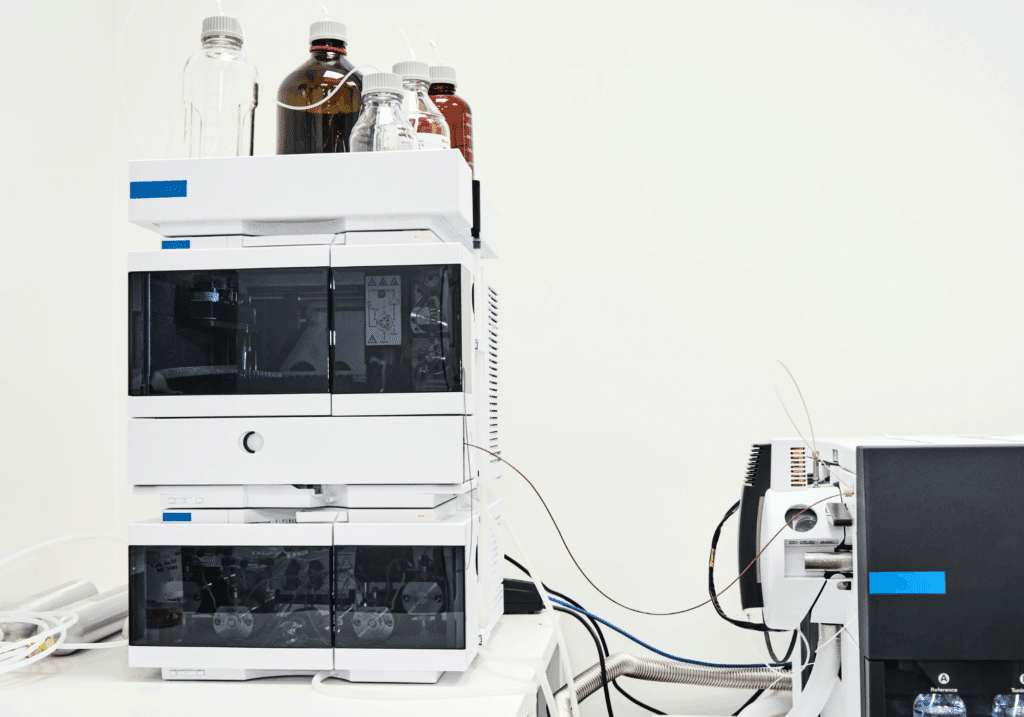
HPLC, especially reversed-phase HPLC, is the standard method used to determine peptide purity by separating the target peptide from other components in the sample. The result is a chromatogram, where the main peak represents the primary compound and additional peaks may indicate impurities or related variants.
In practical terms, HPLC answers a simple question: how much of the sample appears to be the intended peptide. For research-grade materials, many suppliers and researchers consider 95% to 98%+ HPLC purity a common baseline, with higher levels preferred for more demanding applications.
Why Mass Spectrometry Is Needed Too
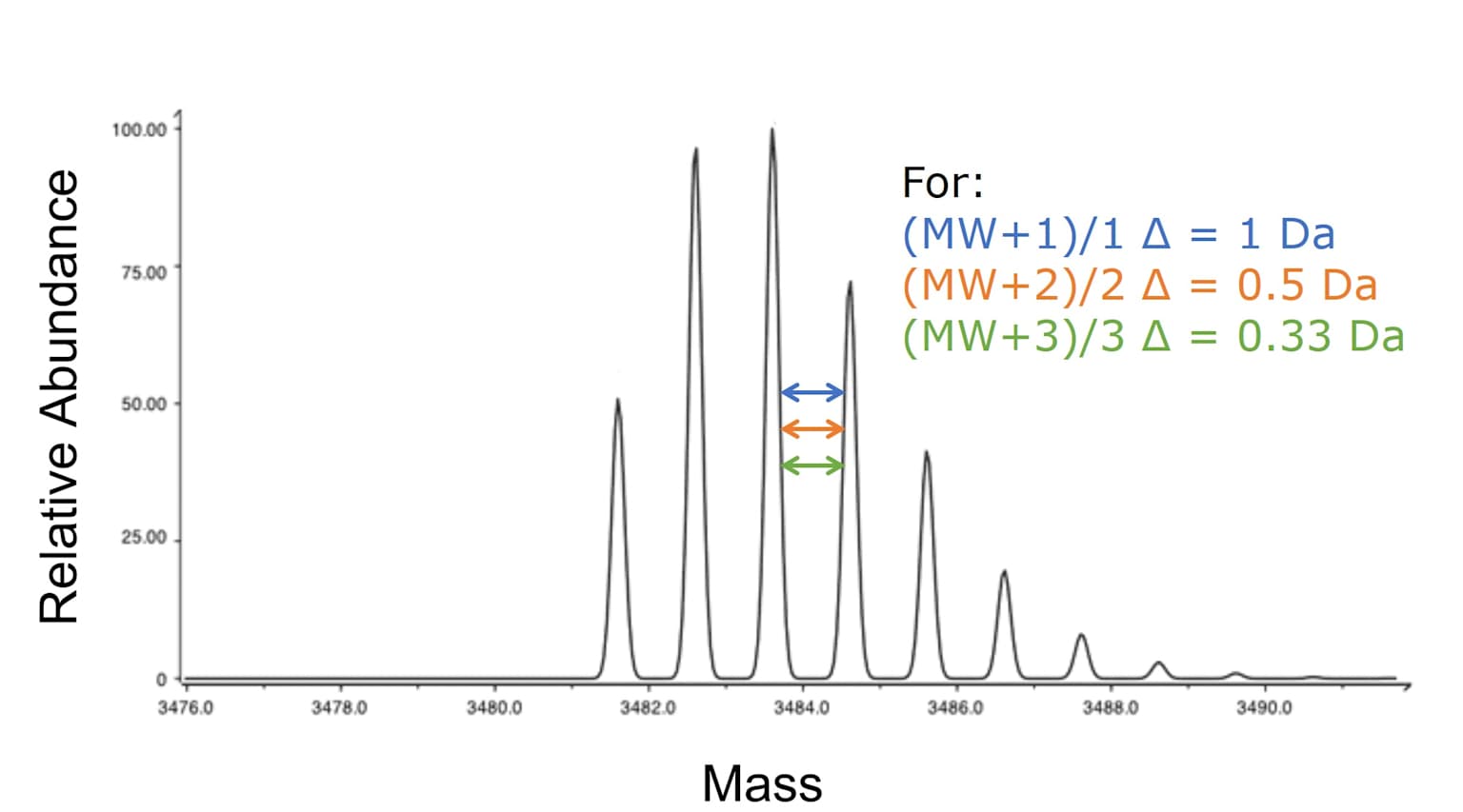
Mass spectrometry confirms identity, not just purity. It verifies whether the measured molecular weight matches the intended sequence, which is critical because a compound can look clean on HPLC yet still be the wrong molecule.
When HPLC and MS are used together, the result is much stronger evidence of quality. HPLC shows how much of the sample is present as the main component, while MS confirms that the main component is actually the peptide you ordered.
How to Read a Certificate of Analysis
A useful Certificate of Analysis should clearly list the peptide name, batch number, purity percentage, analytical method, and molecular weight confirmation. If the COA includes HPLC and mass spectrometry data, that is a strong sign the product has been characterised properly.
Look for clarity, not just numbers. A purity claim without method details is less useful than a report that shows chromatographic conditions, detector type, and molecular identity confirmation.
What “Research-Grade” Really Means
Research-grade peptides are intended for laboratory investigation, not clinical or consumer use. In this context, the phrase usually implies consistent synthesis, analytical verification, and enough purity to support reproducible experimental work.
That does not mean every research peptide is identical. Some projects require standard research-grade material, while others need very high-purity material for sensitive binding studies, structural work, or publication-level assays.
Other Quality Checks to Consider
HPLC and mass spectrometry are the foundation, but additional quality markers can matter too. Depending on the application, researchers may also care about residual solvents, salts, endotoxin risk, and storage stability.
For peptides used in more demanding experiments, it is smart to ask whether the supplier provides third-party testing or batch-specific analytical documentation. That kind of transparency helps reduce uncertainty before a study begins.
Practical Buying Checklist
Before choosing a peptide, check the following:
- HPLC purity percentage is clearly stated
- Mass spectrometry confirms molecular identity
- The COA matches the exact batch you are buying
- Storage and handling guidance are provided
- The product is clearly labelled for research use only
If any of these are missing, the material may be harder to trust for serious research.
Final Thoughts
Evaluating peptide quality is not complicated once you know what to look for. HPLC tells you about purity, mass spectrometry confirms identity, and a good COA ties the whole picture together.
For researchers, that combination is the difference between a convenient purchase and a dependable experimental tool. If you are building a peptide workflow around reproducibility, analytical verification should be one of your first checkpoints.
Explore NeuroPept Labs’ research peptide catalogue — all compounds are accompanied by analytical documentation and are available strictly for laboratory research use. Browse our research catalogue →
All compounds referenced in this article are intended strictly for in vitro laboratory research purposes. They are not intended for human consumption, medical use, or veterinary applications.
Sources
- Peptide Purity by HPLC and Why It Matters – Resolve Mass
- HPLC and Mass Spectrometry for Peptide Validation – Creative Peptides
- Understanding HPLC, Mass Spectrometry, and COA Standards
- HPLC Testing and Peptide Purity: What Researchers Need to Know – Spartan Peptides
- Peptide Purity Testing: HPLC and LC-MS Methods Explained – Giga Compounds
- Peptide Purity Testing: HPLC, Mass Spec & Endotoxin – Peptide Nerds
- Peptide Purity Verification: HPLC and Mass Spectrometry – Amino Foundry
- Learn Important Facts About Peptide Quality & Purity – JPT
- Detection of Peptide Purity by RP-HPLC and Mass Spectrometry – MTOZ Bio Labs
- Recommendations for the Generation, Quantification, Storage and Handling of Peptides – PMC/NIH
- The Importance of HPLC in Peptide Analysis – EuroLab Peptides