Tirzepatide vs Retatrutide: Dual vs Triple Agonist

Research-only note: This article is for educational purposes and discusses compounds intended strictly for in vitro and laboratory research. The information below is not medical advice, and the products referenced are not for human consumption.

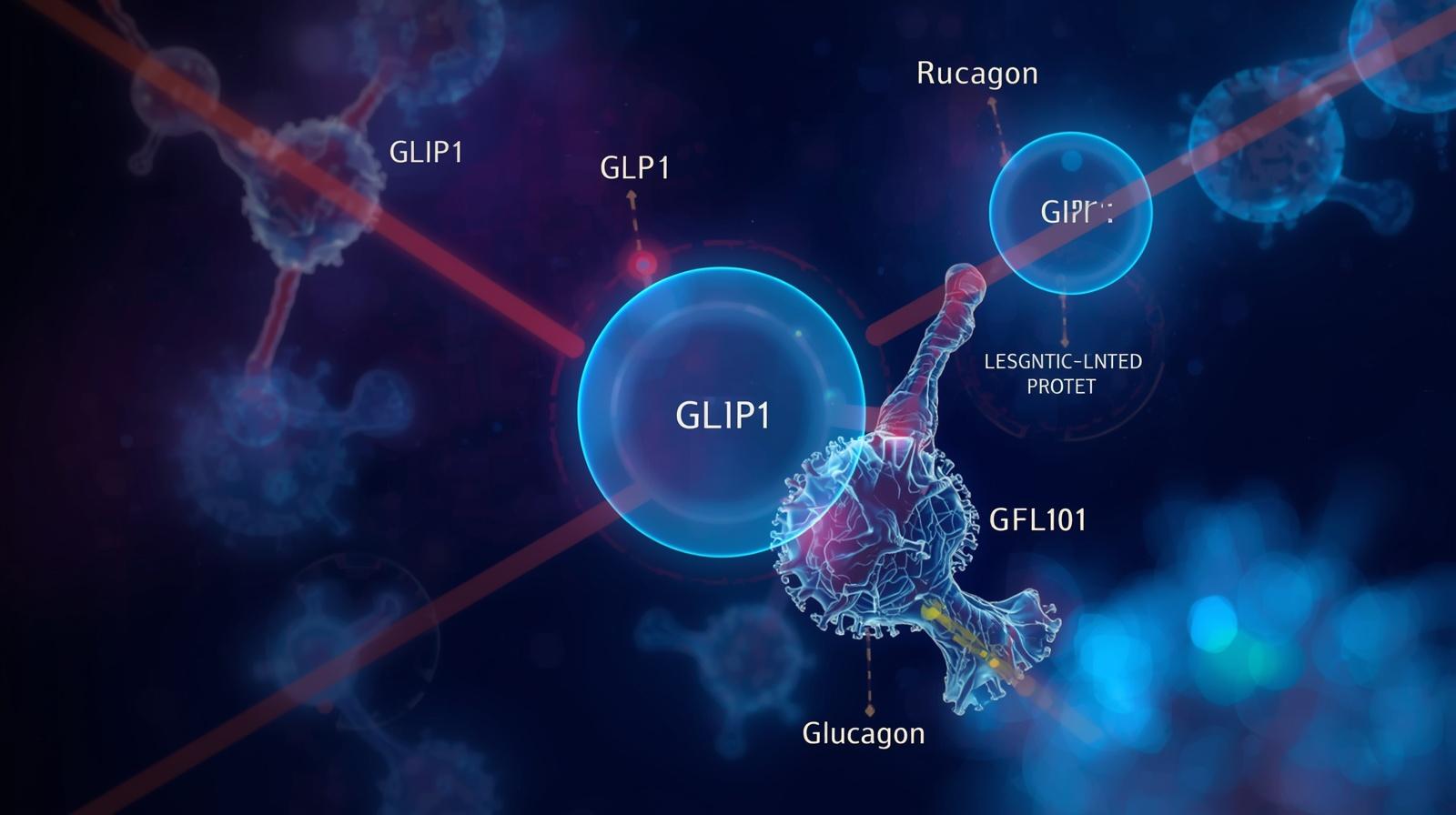
Tirzepatide and Retatrutide are frequently compared in metabolic research because they sit one step apart on the incretin spectrum. Tirzepatide is a dual agonist that activates the GIP and GLP-1 receptors; Retatrutide is a triple agonist that adds a third target, the glucagon receptor. That single added pathway is the heart of the comparison — and the reason researchers study the two side by side.

Key takeaways

  • Dual vs triple: Tirzepatide hits two receptors (GIP, GLP-1); Retatrutide hits three (GIP, GLP-1, glucagon).
  • The added pathway: the glucagon receptor is the defining mechanistic difference.
  • Shared base: both engage the incretin system that amplifies glucose-dependent insulin response.
  • Trial status: Tirzepatide has more mature data; Retatrutide is investigational with ongoing study.
  • Research framing: comparing them isolates what glucagon-receptor activity adds to an incretin backbone.
  • Format: both are supplied as lyophilized powders with batch-specific third-party analytics.

The shared foundation: incretin signaling

Before the differences, it helps to note what these peptides have in common. Both are built on incretin biology — the system by which gut-derived hormones amplify insulin secretion in response to nutrients. Two receptors form that shared base:

  • GLP-1 receptor — suppresses appetite, slows gastric emptying, and enhances glucose-dependent insulin secretion.
  • GIP receptor — supports glucose handling and works with GLP-1 to strengthen the combined incretin response.

Because both compounds activate these two receptors, the comparison is not about whether one has incretin activity and the other does not — they both do. The question is what happens when a third receptor is added on top. For foundational background, see our overview of GLP-1 peptides and the broader GLP-1, GIP, and glucagon pathways.

Tirzepatide: the dual agonist

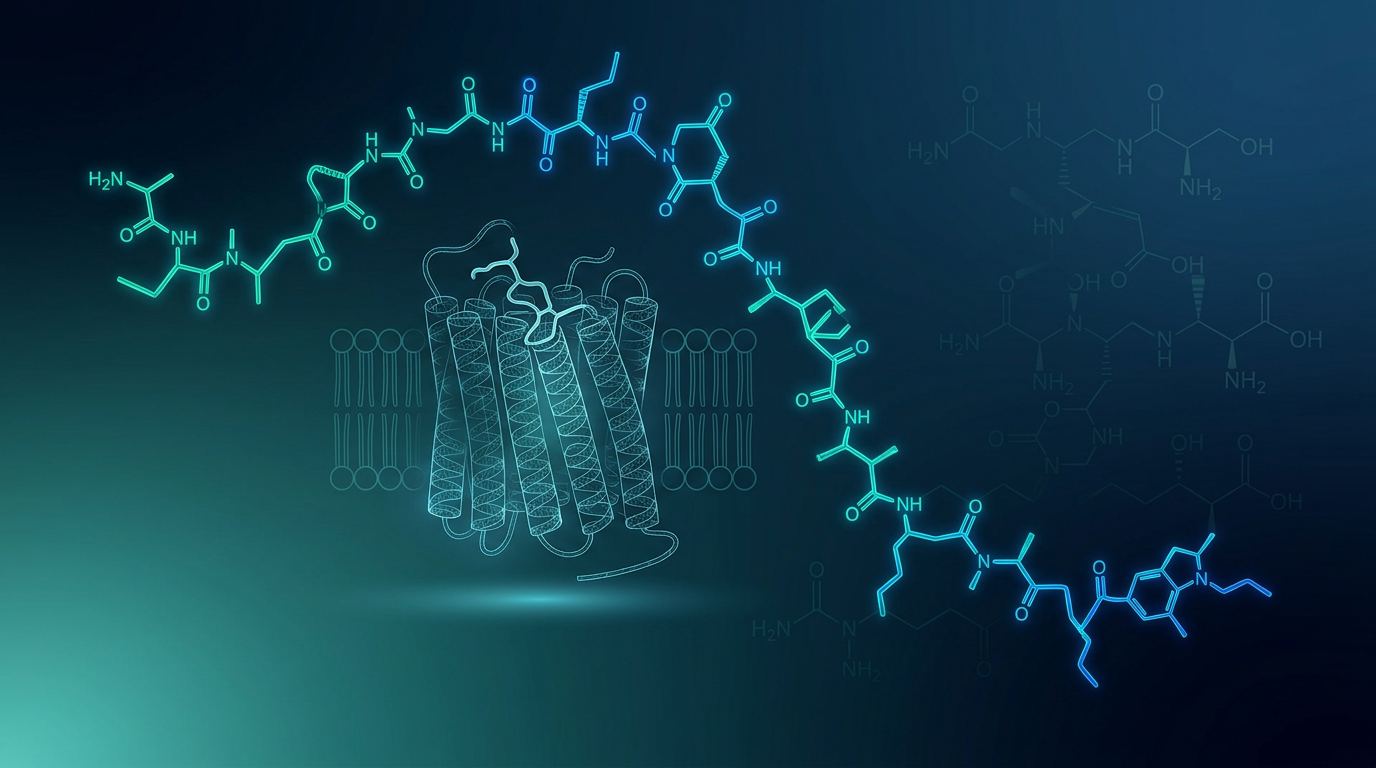
Tirzepatide is a synthetic peptide engineered to bind both incretin receptors with a single molecule. By co-activating GIP and GLP-1, it produces a combined effect that single-receptor GLP-1 stimulation does not fully replicate. Its key features in research framing are:

  • Two receptors — GIP and GLP-1, engaged simultaneously.
  • Mature dataset — a comparatively well-characterized profile that serves as a reference point.
  • Anchor compound — the baseline against which triple agonists are measured.

Retatrutide: the triple agonist

Retatrutide keeps the dual incretin backbone and adds glucagon-receptor activity, making it the first triple agonist to reach advanced investigational study. The glucagon pathway is what sets it apart, because glucagon signaling touches energy expenditure and hepatic metabolism in ways the incretin receptors do not. Its defining features are:

  • Three receptors — GIP, GLP-1, and glucagon.
  • Energy-expenditure angle — glucagon-receptor activity is studied for effects on metabolic rate and lipid handling.
  • Investigational status — still under active study, with research data accumulating.

The two concentrations offered for research, Retatrutide 10mg and Retatrutide 30mg, give researchers flexibility in designing concentration-response work.

Side-by-side comparison

The core differences fit neatly into one table:

Feature Tirzepatide Retatrutide
Receptor targets GIP + GLP-1 GIP + GLP-1 + glucagon
Class Dual agonist Triple agonist
Distinct pathway Glucagon receptor
Primary research angle Combined incretin signaling Incretin + energy expenditure
Data maturity More established Investigational, emerging

Reading across the table, the comparison clarifies what each is best suited to study:

  • Isolating glucagon’s role — running both compounds lets researchers attribute differences specifically to the glucagon receptor.
  • Energy-balance models — the triple agonist is the tool of choice when glucagon-driven energy expenditure is the variable of interest.
  • Reference comparisons — the dual agonist provides the incretin-only baseline that makes the third pathway’s contribution measurable.

What the glucagon pathway adds

The reason this comparison is so common is that glucagon-receptor activity introduces a mechanism the incretin receptors do not cover. In research models, glucagon signaling is associated with several effects that make the triple agonist distinct:

  • Hepatic glucose handling — glucagon classically acts on the liver, a key research focus.
  • Energy expenditure — glucagon-receptor activity is studied for its potential to raise metabolic rate.
  • Lipid metabolism — effects on fat mobilization and lipid markers are an active question.
  • Balance of signals — researchers study how glucagon’s effects are balanced against the incretin-driven insulin response.

This is why a triple agonist is not simply “a stronger dual agonist” — it engages a qualitatively different pathway, and the research interest lies precisely in that distinction. Our coverage of the Retatrutide comparison with established GLP-1 drugs explores the same theme from another angle.

Trial status and how it shapes interpretation

One practical difference researchers weigh is how mature the evidence base is for each compound. Tirzepatide has progressed through extensive study, giving it a relatively deep and consistent dataset, while Retatrutide remains investigational, with research still expanding. This gap matters for how findings are framed:

  • Confidence of comparison — a more established profile provides a steadier reference point.
  • Emerging signals — newer data on the triple agonist should be read as developing rather than settled.
  • Head-to-head limits — the literature still lacks extensive direct comparisons, so much insight comes from parallel rather than side-by-side studies.
  • Evolving picture — conclusions are revisited as additional triple-agonist data accumulates.

For researchers, this means the dual-versus-triple comparison is best treated as a moving target: the mechanistic distinction is clear, but the quantitative picture continues to develop as investigational work proceeds. A finding that holds in one model and concentration range may need re-testing before it can be generalized.

Research applications and the literature

Both peptides appear across overlapping metabolic research domains, with the triple agonist extending into energy-expenditure questions:

  • Glucose metabolism — insulin secretion and sensitivity under multi-receptor stimulation.
  • Appetite and intake — central and peripheral satiety signaling.
  • Energy balance — metabolic rate and lipid handling, especially for the glucagon arm.
  • Comparative pharmacology — dual versus triple agonism as a direct research contrast.

The endpoints researchers commonly track when comparing the two reflect the extra pathway directly:

  • Insulin and glucose response — the shared incretin readout across both compounds.
  • Metabolic rate — the energy-expenditure measure most relevant to the glucagon arm.
  • Hepatic markers — liver-related readouts tied to glucagon signaling.
  • Body composition models — fat and lean-mass changes in preclinical systems.

The accumulating literature on these compounds is indexed in the PubMed database, where researchers track the mechanistic and comparative studies that inform new multi-receptor designs.

Handling, reconstitution, and quality verification

Both peptides are supplied as lyophilized powders, and any valid comparison depends on accurate preparation of each:

  • Storage — keep lyophilized vials cold and protected from light until use.
  • Reconstitution — add diluent slowly down the vial wall and swirl gently rather than shaking.
  • Concentration control — record exact concentrations so dose-response comparisons hold.
  • Documentation — confirm a batch-specific certificate of analysis (COA) for each compound.

Every NeuroPept Labs batch is synthesized under controlled conditions and accompanied by a COA, verifiable at freedomdiagnosticstesting.com using the codes in the product images. For the analytics behind those documents, see our research-grade quality guide.

Considerations for experimental design

Comparing a dual and a triple agonist requires controlling for the extra pathway carefully:

  • Matched conditions — identical glucose and model conditions across both arms.
  • Glucagon-specific endpoints — energy expenditure and hepatic markers, in addition to incretin readouts.
  • Concentration parity — comparable molar concentrations so receptor count, not dose, drives the difference.
  • Verified material — high-purity, accurately quantified peptide so the added pathway’s effect is real, not artifact.

With those controls in place, the comparison does exactly what it is meant to: it shows, in clean data, what the glucagon receptor contributes once a stable incretin backbone is already in place. That is ultimately why both compounds earn a place in a research program rather than one replacing the other — the dual agonist defines the baseline, and the triple agonist reveals what a third pathway adds on top of it.

Frequently asked questions

What is the main difference between Tirzepatide and Retatrutide?

Tirzepatide is a dual agonist that activates the GIP and GLP-1 receptors, while Retatrutide is a triple agonist that adds glucagon-receptor activity. The glucagon pathway is the defining mechanistic difference studied between the two.

Is Retatrutide just a stronger Tirzepatide?

No. Retatrutide is not simply a more potent dual agonist; it engages a qualitatively different third pathway through the glucagon receptor. The research interest lies in what that additional receptor contributes, not just in signal strength.

Why do researchers compare dual and triple agonists?

Comparing a dual agonist with a triple agonist lets researchers isolate the contribution of the glucagon receptor against a shared incretin backbone, which is difficult to study any other way.

Which has more research data, Tirzepatide or Retatrutide?

Tirzepatide has a more established dataset, while Retatrutide is investigational with research data still accumulating. This difference in maturity is itself a factor researchers consider when interpreting comparisons.

What forms do these peptides come in?

Both are supplied as lyophilized (freeze-dried) powders that are reconstituted before laboratory use and stored under refrigeration; Retatrutide is offered in 10mg and 30mg research vials. Each should be accompanied by a batch-specific certificate of analysis.

Are Tirzepatide or Retatrutide approved for human use?

The compounds offered here for research are intended strictly for in vitro and laboratory investigation and are not approved for human consumption or clinical use. All information here is educational and not medical advice.

Research-use-only disclaimer: All products referenced are sold for laboratory and research use only. They are not intended to diagnose, treat, cure, or prevent any disease, and are not for human or veterinary consumption. Explore research-grade Tirzepatide and Retatrutide with third-party verified analytics from NeuroPept Labs.

Retatrutide Phase 3 Results: Up to 71.2 lbs Lost and Significant Osteoarthritis Pain Relief

Eli Lilly’s investigational triple agonist Retatrutide has delivered some of the most compelling weight loss data seen in a Phase 3 clinical trial to date “” with participants losing an average of 28.7% of body weight over 68 weeks, while simultaneously experiencing near-complete relief from knee osteoarthritis pain.

GLP-1 receptor agonist injection devices

Once-weekly injectable peptides like retatrutide represent the next frontier in metabolic research.

What Is Retatrutide?

Retatrutide is a once-weekly injectable peptide that simultaneously activates three hormone receptors: GIP (glucose-dependent insulinotropic polypeptide), GLP-1 (glucagon-like peptide-1), and glucagon. This triple-receptor mechanism sets it apart from existing GLP-1 single agonists like semaglutide and dual agonists like tirzepatide “” making it the first-in-class triple hormone receptor agonist of its kind.

By targeting all three pathways simultaneously, retatrutide amplifies the body’s natural metabolic signaling: reducing appetite, improving insulin response, and increasing energy expenditure through glucagon receptor activation.

Retatrutide triple agonism at GLP-1R, GIPR and GCGR protein structure

Structural visualization of retatrutide’s triple agonism at GLP-1R, GIPR, and GCGR receptors (Cell Discovery).

TRIUMPH-4 Trial: Overview

The TRIUMPH-4 trial (NCT05931367) enrolled 445 adults with obesity or overweight and knee osteoarthritis over 68 weeks. Participants had an average starting weight of 248.5 lbs (112.7 kg) and a BMI of 40.4 kg/m², with 84% having a BMI of 35 or above. Both the 9 mg and 12 mg doses of retatrutide met all primary and key secondary endpoints.

28.7%
Average body weight lost on 12 mg dose
71.2 lbs
Average pounds lost on 12 mg over 68 weeks
58.6%
Participants losing ¥25% body weight (12 mg)

Weight Loss Outcomes

Group Average Weight Loss Average lbs Lost
Retatrutide 9 mg -26.4% -64.2 lbs
Retatrutide 12 mg -28.7% -71.2 lbs
Placebo -2.1% -4.6 lbs

The proportion of participants achieving major weight loss thresholds on the 12 mg dose was remarkable:

  • 58.6% of the 12 mg group lost ¥25% of body weight
  • 39.4% lost ¥30% of body weight
  • 23.7% lost ¥35% of body weight
  • Only 0.8% of placebo participants reached ¥30% weight loss

Osteoarthritis Pain Relief

Knee osteoarthritis treatment illustration
Osteoarthritis is a key secondary endpoint in TRIUMPH-4.

GLP-1 receptor signaling diagram
GLP-1 receptor signaling in the pancreas and brain.

WOMAC pain scores “” a validated patient-reported measure where higher values indicate worse symptoms “” were reduced dramatically:

Group WOMAC Score Reduction % Reduction
Retatrutide 9 mg -4.5 points -75.8%
Retatrutide 12 mg -4.4 points -74.3%
Placebo -2.4 points -40.3%

Physical function improved by over 71% in both dose groups. Notably, 14.1% of patients on the 9 mg dose were completely free of knee pain at week 68, compared to just 4.2% on placebo.

Cardiovascular and Metabolic Benefits

Beyond weight and pain, retatrutide also reduced cardiovascular risk markers including non-HDL cholesterol, triglycerides, and high-sensitivity C-reactive protein (hsCRP). The 12 mg dose lowered systolic blood pressure by an average of 14.0 mmHg.

Safety Profile

Adverse events were consistent with other incretin-based therapies. The most commonly reported side effects in the 9 mg and 12 mg groups respectively were:

Side Effect 9 mg 12 mg Placebo
Nausea 38.1% 43.2% 10.7%
Diarrhea 34.7% 33.1% 13.4%
Constipation 21.8% 25.0% 8.7%
Vomiting 20.4% 20.9% 0.0%
Decreased appetite 19.0% 18.2% 9.4%
Dysesthesia 8.8% 20.9% “”

Overall discontinuation rates due to adverse events were 12.2% (9 mg) and 18.2% (12 mg), compared to 4.0% on placebo, and were highly correlated with baseline BMI. Dysesthesia events were generally mild and rarely led to discontinuation.

What’s Next for Retatrutide?

GLP-1 weight loss drug comparison chart

Retatrutide’s 28.7% weight loss surpasses results seen with current GLP-1 and dual agonist therapies.

TRIUMPH-4 is the first of eight Phase 3 trials in the TRIUMPH program. Seven additional trials evaluating retatrutide across obesity, type 2 diabetes, obstructive sleep apnea, chronic low back pain, cardiovascular outcomes, and metabolic liver disease are expected to report results through 2026.

A maintenance dose of 4 mg is also being evaluated, and analysts have noted that TRIUMPH-1 “” the longest trial at 80 weeks “” could potentially exceed 30% average weight loss.

Key Takeaway: Retatrutide’s TRIUMPH-4 data represents a potential paradigm shift in metabolic research “” not only delivering record weight loss figures but also addressing comorbidities like osteoarthritis that are directly linked to excess adipose tissue. The triple-agonist mechanism continues to demonstrate advantages over single and dual receptor approaches.
Research Disclaimer: Retatrutide is an investigational peptide currently in Phase 3 clinical trials. It has not been approved by the FDA or any other regulatory authority for commercial use. All products on NeuroPept Labs are designated strictly for research use only and are not intended for human or veterinary use. This article is intended for informational purposes only and does not constitute medical advice.


GLP-1 peptides and incretin receptor signalling “” a research-focused overview for laboratory scientists and peptide researchers.

GLP-1 (glucagon-like peptide-1) is one of the most studied peptide hormones in modern metabolic research. Originally identified as an incretin hormone produced in the gut in response to food intake, GLP-1 has since become the basis for an entire class of synthetic receptor agonists that are now among the most researched compounds in preclinical and clinical metabolic science. Understanding how GLP-1 works at the receptor level “” and how it compares to GIP and glucagon receptor signalling “” is fundamental for any researcher working in metabolic biology, endocrinology, or peptide pharmacology.

For research and laboratory use only. All NeuroPept Labs compounds are intended strictly for in vitro scientific research and are not approved for human consumption or therapeutic use. Read more “GLP-1 Peptides Explained: Receptor Signalling and Incretin Research Overview | NeuroPept Labs”

Table of Contents:

    1. What Are GLP-1, GIP, Glucagon
    2. Single vs Multi-Receptor Compounds
    3. Why Researchers Study Multi-Pathway Activation
    4. Current Research Developments

What Are GLP-1, GIP, and Glucagon Pathways?

In the realm of endocrinology and metabolic studies, GLP-1 (Glucagon-Like Peptide-1), GIP (Gastric Inhibitory Polypeptide), and glucagon are pivotal peptides that play a significant role in the regulation of glucose homeostasis and energy metabolism. Understanding these peptides is essential for health enthusiasts, healthcare professionals, and researchers focused on metabolic disorders.

Overview of GLP-1

GLP-1 is an incretin hormone released by the intestinal L-cells in response to food intake. It has multiple functions, including stimulating insulin secretion from the pancreas, inhibiting glucagon release, and slowing gastric emptying. These actions collectively help to reduce postprandial blood glucose levels, making GLP-1 a target for diabetes treatment.

Beyond its role in glucose regulation, GLP-1 also possesses neuroprotective and cardioprotective properties. Its involvement in appetite regulation has garnered interest in obesity research, as GLP-1 promotes satiety and reduces food intake. Therapeutic agents mimicking GLP-1, such as GLP-1 receptor agonists, have gained prominence in recent years.

Overview of GIP

GIP, another incretin hormone, is secreted by the K-cells of the duodenum and jejunum. Unlike GLP-1, GIP primarily functions to stimulate insulin secretion in response to nutrient intake, particularly fats and carbohydrates. However, its role appears to be more complex, given that GIP can also promote fat deposition and has less pronounced effects on appetite modulation compared to GLP-1.

Research has indicated that GIP might play a role in the development of obesity and metabolic syndrome, as its secretion is often elevated in individuals with these conditions. Understanding GIP’s complex role in metabolism is crucial for developing effective treatments for related disorders.

Overview of Glucagon

Glucagon, produced by the alpha cells of the pancreas, is a peptide hormone that plays a critical role in increasing blood glucose levels. It promotes glycogen breakdown in the liver and the production of glucose through gluconeogenesis. While glucagon’s primary role is to counteract hypoglycemia, its involvement in metabolic processes extends beyond blood glucose regulation.

Recent studies have highlighted glucagon’s potential role in energy expenditure and lipid metabolism. Its synergistic relationship with insulin is vital for maintaining metabolic balance, making glucagon another key focus in diabetes and obesity research.

Role in Metabolism

The interplay between GLP-1, GIP, and glucagon forms a complex network that regulates metabolism. While GLP-1 and GIP enhance insulin secretion, glucagon counterbalances these effects by elevating glucose levels when necessary. This delicate balance is crucial for maintaining homeostasis, particularly after meals.

Disruptions in this regulatory system can lead to metabolic disorders such as type 2 diabetes and obesity. Understanding how these peptides interact can provide insights into new therapeutic strategies aimed at restoring metabolic balance.

Single vs Multi-Receptor Compounds
multi-receptor peptides

Definition of Single-Receptor Compounds

Single-receptor compounds are therapeutic agents that target a specific receptor to elicit a desired physiological response. For instance, GLP-1 receptor agonists are designed to bind exclusively to GLP-1 receptors, enhancing insulin secretion and suppressing glucagon release. While effective in managing certain conditions, these agents often fall short in addressing the multifaceted nature of metabolic disorders.

Definition of Multi-Receptor Compounds

In contrast, multi-receptor compounds interact with more than one receptor, allowing for a broader range of physiological effects. These compounds can activate pathways associated with GLP-1, GIP, and glucagon, which may offer a more comprehensive approach to treating metabolic disorders. By simultaneously targeting multiple receptors, these agents can exploit synergistic effects that enhance metabolic outcomes.

Advantages of Multi-Receptor Compounds

The primary advantage of multi-receptor compounds lies in their ability to produce enhanced therapeutic effects. By activating multiple pathways, these compounds can improve insulin sensitivity, regulate appetite, and promote weight loss more effectively than single-receptor agents. This multi-faceted approach is particularly beneficial in populations struggling with obesity and type 2 diabetes, where a singular focus may not yield sufficient results.

Additionally, multi-receptor compounds may reduce the likelihood of adverse effects due to their balanced interaction with various receptors. This interaction can lead to more stable pharmacokinetics and a lower chance of developing tolerance, enhancing the overall efficacy of the treatment.

Why Researchers Study Multi-Pathway Activation

Synergistic Effects on Metabolism

Research into multi-pathway activation is driven by the potential for synergistic effects on metabolism. Combining the actions of GLP-1, GIP, and glucagon can lead to enhanced glucose control, better appetite regulation, and improved lipid metabolism. This interplay is particularly important for individuals with metabolic disorders, who often experience a complex array of symptoms that cannot be adequately addressed by targeting a single pathway.

Studies have shown that multi-receptor activation can result in additive or even multiplicative effects on insulin sensitivity and glucose tolerance, making it a promising area of research for therapeutic development. This understanding is vital as it allows for the design of more effective treatments that consider the intricate interactions between different hormonal pathways.

Potential for Weight Management

One of the most compelling reasons to explore multi-pathway activation is its potential for effective weight management. Many individuals with obesity struggle with both insulin resistance and altered hormonal signaling, leading to increased appetite and decreased energy expenditure. Multi-receptor compounds targeting GLP-1, GIP, and glucagon can help address these issues simultaneously.

Research indicates that multi-receptor agonists can enhance feelings of fullness while reducing hunger and cravings. This dual action not only promotes weight loss but also aids in maintaining weight loss over time, a significant challenge faced by many individuals who attempt dietary changes or pharmacotherapy.

Implications for Diabetes Treatment

The implications for diabetes treatment are profound. With the rise of type 2 diabetes globally, there is an urgent need for innovative therapies that can effectively manage this condition. Multi-receptor compounds offer a novel approach to treating diabetes by regulating blood sugar levels while also promoting weight loss””an essential factor in managing type 2 diabetes.

Clinical trials are currently investigating the efficacy of these compounds, with early results showing promise in improving glycemic control and reducing the need for insulin therapy in some patients. This advancement could transform the treatment landscape for diabetes, providing patients with more effective and holistic options.

Current Research Developments

molecular interaction receptors cell signalling
Latest Findings in GLP-1 Research

Recent studies have further elucidated the diverse roles of GLP-1 beyond its insulinotropic effects. Researchers have discovered that GLP-1 may influence brain function, specifically in areas related to appetite regulation and reward pathways. This connection suggests that GLP-1 could be pivotal in treating not just diabetes, but also obesity and eating disorders.

Moreover, advancements in GLP-1 receptor agonists have led to the development of long-acting formulations that enhance patient compliance and therapeutic outcomes. These new agents may offer sustained glycemic control with fewer injections, making them more appealing for individuals managing chronic conditions.

Breakthroughs in GIP Studies

GIP research has evolved significantly, with recent findings indicating that GIP may play a protective role in pancreatic health. Studies suggest that GIP can improve beta-cell function and survival, which is crucial for insulin production. This discovery opens the door for potential therapeutic strategies targeting GIP in diabetes management.

Additionally, researchers are exploring GIP’s role in fat metabolism and its impact on weight gain in individuals with insulin resistance. Understanding these mechanisms can lead to the development of targeted interventions aimed at mitigating the adverse effects of obesity on metabolic health.

Innovations in Glucagon Pathways Research

Innovations in glucagon research are also noteworthy, particularly regarding its role in energy balance and weight loss. Studies have shown that glucagon can stimulate lipolysis, the breakdown of fats for energy. This dual function as both a glucose-raising hormone and a fat-burning agent highlights glucagon’s potential as a therapeutic target for obesity and diabetes.

Current research is investigating the development of glucagon receptor antagonists, which may help in reducing excessive glucagon secretion seen in type 2 diabetes. The possibility of combining glucagon antagonism with GLP-1 and GIP agonism could lead to revolutionary treatments that address multiple facets of metabolic dysfunction.

Future Directions in Multi-Receptor Peptide Research

As research advances, the future directions in multi-receptor peptide research focus on optimizing the therapeutic profiles of these compounds. Investigators are looking to create novel agents that not only activate GLP-1, GIP, and glucagon pathways but also improve patient adherence and minimize side effects.

Moreover, personalized medicine approaches are emerging, with the potential to tailor multi-receptor therapies based on individual metabolic profiles. This could enhance treatment outcomes by ensuring patients receive the most effective therapies for their specific conditions, ultimately leading to improved quality of life.

FAQs

What is the primary role of GLP-1?

GLP-1 primarily stimulates insulin secretion, inhibits glucagon release, and slows gastric emptying, all of which help regulate blood glucose levels.

How do GIP and GLP-1 differ in function?

While both GIP and GLP-1 are incretin hormones, GIP’s primary function is to stimulate insulin secretion in response to nutrient intake, whereas GLP-1 also plays a significant role in appetite regulation and gastric emptying.

What are the benefits of multi-receptor compounds?

Multi-receptor compounds can produce synergistic effects on metabolism, improve insulin sensitivity, regulate appetite, and promote weight loss more effectively than single-receptor agents.

How are GLP-1 and glucagon related?

GLP-1 and glucagon have opposing effects on blood glucose levels; GLP-1 lowers glucose, while glucagon raises it. Their balance is crucial for maintaining metabolic homeostasis.

What advancements are being made with GIP research?

Recent advancements in GIP research indicate its potential protective role in pancreatic health and its involvement in fat metabolism, leading to new therapeutic possibilities for managing diabetes and obesity.

Conclusion

The exploration of GLP-1, GIP, and glucagon pathways reveals a complex interrelationship that is pivotal to understanding metabolic regulation. Multi-receptor peptide research holds great promise for advancing treatment options for metabolic disorders, particularly type 2 diabetes and obesity.

As studies continue to uncover the intricate roles of these peptides and their potential for synergistic effects, the development of multi-receptor compounds could reshape therapeutic strategies. Future research will undoubtedly enhance our understanding of these pathways and their applications in clinical practice, ultimately leading to better health outcomes for individuals struggling with metabolic challenges.


Introduction to Peptides

Peptides are short chains of amino acids linked by peptide bonds, functioning as critical molecules in various biological processes. Understanding these compounds is crucial not only for scientists and healthcare professionals but also for fitness enthusiasts and entrepreneurs who are keen on harnessing their potential. This article delves into the diverse aspects of peptides, exploring their structure, functions, and applications, while shedding light on current research trends and their implications for the future.

Definition and Structure
peptide chain structure amino acids linked by peptide bonds scientific diagram

These compounds are defined as formed by the condensation of two or more amino acids, resulting in a chain that can range from a few to several dozen amino acids long. Each peptide possesses a unique sequence of amino acids, which determines its specific function within biological systems. Structurally, they can be categorized based on their length: dipeptides (two amino acids), tripeptides (three amino acids), oligopeptides (up to 20 amino acids), and polypeptides (more than 20 amino acids).

The structure of these compounds is pivotal for their function. They can fold into various three-dimensional shapes, influenced by their amino acid sequence. This folding is crucial for their binding to receptors and other proteins, thereby facilitating a wide range of biological activities. Understanding these structural nuances is fundamental for researchers aiming to manipulate functions for therapeutic purposes.

Types of Peptides

These compounds can be broadly categorized into different types based on their origin and function. Natural forms, such as hormones and neurotransmitters, are produced within the body and play vital roles in cellular communication and physiological regulation. On the other hand, synthetic forms are designed and manufactured in laboratories for specific applications, including research and therapeutic uses.

Some well-known examples include insulin, which regulates glucose metabolism; oxytocin, known for its role in social bonding; and growth hormone-releasing compounds, which are popular in fitness and bodybuilding communities for their purported benefits in muscle growth and recovery. Each type serves distinct functions, making them valuable in various fields, from medicine to sports science.

Natural vs. Synthetic Peptides

natural vs synthetic peptides comparison laboratory and biological environments

The distinction between natural and synthetic versions is significant, particularly in their applications and effectiveness. Natural forms are often more complex and can exhibit powerful biological activities, but they may also be subject to degradation and have a short half-life in the body. Synthetic variants, however, allow for greater control over structure and stability, making them ideal candidates for drug development and therapeutic interventions.

While synthetic peptides can mimic the action of natural peptides, they also provide the opportunity to create novel compounds that do not exist in nature, thereby expanding the potential for new therapeutic avenues. This adaptability is one of the driving forces behind the growing interest in peptide research and development.

Hypothesis on Functionality

Biological Role of Peptides

These compounds play an array of critical roles in biological systems. They function as signaling molecules, facilitating communication between cells and tissues. For instance, neuropeptides influence pain perception, stress responses, and appetite regulation. Hormonal forms, such as insulin and glucagon, are essential for metabolic regulation, while antimicrobial variations serve as a frontline defense against infections.

Additionally, peptides can modulate immune responses and cellular growth, making them indispensable in maintaining homeostasis. Their diverse functionalities highlight the importance of peptides in both health and disease, showcasing their potential as therapeutic agents in various medical conditions.

Mechanisms of Action

The mechanisms through which peptides exert their effects are multifaceted. Many peptides bind to specific receptors on cell surfaces, initiating a cascade of biochemical reactions that lead to physiological changes. For example, the binding of insulin to its receptor triggers glucose uptake in cells, regulating blood sugar levels.

They can also influence gene expression by interacting with intracellular pathways. This interaction can lead to the activation or inhibition of specific genes, profoundly impacting cellular behavior. Understanding these mechanisms is vital for developing treatments that leverage these pathways for therapeutic benefits.

Potential Applications in Medicine and Fitness

fitness and peptide research concept athletic performance recovery molecular science overlay

The potential applications of these compounds extend across various domains, particularly in medicine and fitness. In medicine, they are being explored as therapeutic agents for conditions such as diabetes, cancer, and cardiovascular diseases. Their specificity and ability to target particular pathways make them suitable candidates for precision medicine.

In the fitness world, peptides such as growth hormone-releasing peptides (GHRPs) have gained popularity for their purported benefits in muscle growth, fat loss, and recovery. While some athletes and bodybuilders advocate for their use, the regulatory landscape surrounding peptide supplementation remains contentious, necessitating further research and education on their safety and efficacy.

Potential in Research

Current Research Trends

The field of research is rapidly evolving, with ongoing studies focusing on understanding interactions at the molecular level. Researchers are exploring innovative methods for synthesizing these compounds more efficiently and with greater specificity. Advances in technologies such as mass spectrometry and high-throughput screening have significantly accelerated discovery and characterization.

Emerging research also aims to understand the multifaceted roles of peptides beyond their traditional uses. For instance, studies are investigating the effects of peptides on gut health, cognitive function, and aging. This expanding scope of research underscores the growing recognition of peptides as versatile molecules with diverse therapeutic potential.

These Compounds in Drug Development

Peptides are gaining traction in drug development due to their high specificity and lower likelihood of side effects compared to small molecule drugs. Pharmaceutical companies are increasingly investing in peptide therapeutics, leading to the approval of several peptide-based drugs for various medical conditions.

The development of drugs often involves careful optimization of their structure to enhance stability and bioavailability. Recent innovations, such as pegylation and the use of non-natural amino acids, are being employed to improve the pharmacokinetic properties of therapeutic variants, paving the way for more effective treatments.

Innovative Uses in Biotechnology

Beyond traditional applications, these compounds are being harnessed in biotechnology for diverse purposes. They are used in the development of biosensors, targeted drug delivery systems, and even in vaccine formulations. Their ability to specifically bind to certain biomolecules makes them ideal for creating highly sensitive diagnostic tools.

Moreover, peptides are being engineered to serve as scaffolds for complex biomolecules, facilitating advancements in tissue engineering and regenerative medicine. These innovative applications demonstrate the versatility of peptides and their critical role in the next generation of biotechnological solutions.

Achievements So Far

Key Milestones in Peptide Research

Over the years, research has achieved several significant milestones. The development of insulin in the early 1920s marked a pivotal moment in medical history, providing a breakthrough in diabetes management. Since then, numerous therapeutics based on these compounds have been approved, addressing various health issues and improving patient outcomes.

Recent advancements in peptide synthesis techniques, including solid-phase peptide synthesis and automated synthesis platforms, have revolutionized the field. These technologies have enabled researchers to produce peptides more efficiently and with higher purity, facilitating their use in clinical settings.

Successful Case Studies

Several successful case studies exemplify the potential of peptides in clinical applications. For instance, GLP-1 receptor agonists, such as liraglutide, have demonstrated efficacy in managing type 2 diabetes, exemplifying how peptide-based drugs can improve glycemic control and promote weight loss.

In oncology, vaccines have shown promise in eliciting immune responses against cancer cells, demonstrating the potential of these compounds in cancer immunotherapy. These case studies not only highlight the therapeutic benefits but also pave the way for further exploration in the field.

Challenges Overcome in the Field

Despite the progress made in research, several challenges remain. One of the primary hurdles is the stability of these compounds, which can be susceptible to degradation in biological environments. Researchers are actively developing various strategies to enhance stability, including modifications to their structure and formulation.

Another challenge is the regulatory landscape surrounding peptide therapeutics, which can be complex and time-consuming. Navigating the regulatory requirements for peptide drugs requires a comprehensive understanding of both chemistry and biology, necessitating collaboration between scientists, clinicians, and regulatory bodies to ensure safety and efficacy.

Early-Adopters: Benefits and Results

Success Stories from Fitness Enthusiasts

Fitness enthusiasts have increasingly turned to these compounds for their potential benefits in enhancing athletic performance and recovery. Many individuals report positive experiences with variants such as BPC-157 and TB-500, which are believed to promote healing and muscle repair. Testimonials often highlight improved recovery times and reduced injury rates, contributing to a growing interest in supplementation.

However, it is crucial to approach these success stories with caution. While anecdotal evidence is compelling, scientific validation is essential to substantiate the claims surrounding peptide use in fitness. Ongoing research will help clarify the actual benefits and risks associated with peptide supplementation in athletic populations.

Real-World Applications in Healthcare

In healthcare settings, peptides have been integrated into various treatment protocols, particularly in managing chronic diseases. For example, peptide-based therapies for obesity and metabolic disorders are being explored to improve patient outcomes. Clinical trials have reported significant improvements in weight loss and metabolic markers among participants receiving peptide treatments.

These real-world applications underscore the importance of ongoing research to further validate the safety and efficacy of these therapies. As more evidence emerges, healthcare professionals can better tailor treatments to meet the needs of their patients, enhancing the overall quality of care.

Feedback from Professionals and Consumers

Feedback from healthcare professionals, fitness trainers, and consumers is invaluable in shaping the future of research and application. Professionals express a desire for more comprehensive education on use, highlighting the need for clear guidelines and evidence-based practices. Consumers, on the other hand, often seek transparency regarding product sourcing, efficacy, and potential side effects.


Conclusion

Summary of Key Insights

These compounds represent a fascinating and rapidly evolving field with significant implications for medicine, fitness, and biotechnology. Their diverse functions and potential applications make them valuable tools in addressing various health issues and enhancing athletic performance. Understanding the structure, mechanisms, and current research trends is essential for appreciating the complexity and potential of these molecules.

Future Directions in Peptide Research

biotechnology laboratory peptide research future medical innovation environment

Looking ahead, the future of research is promising. Advances in synthesis, delivery methods, and a deeper understanding of their biological roles will likely lead to innovative therapies that can address unmet medical needs. Continued collaboration between researchers, healthcare professionals, and regulatory bodies will be vital in navigating the challenges and opportunities that lie ahead.

Final Thoughts on Peptide Potential

As our understanding of these compounds continues to grow, so too does their potential to revolutionize the fields of medicine and fitness. By exploring and validating the various roles that they can play, we can unlock new avenues for treatment and performance enhancement, ultimately improving health outcomes and quality of life for individuals across a spectrum of needs.

FAQs

What are peptides?

Peptides are short chains of amino acids linked by peptide bonds that play crucial roles in various biological functions.

How are peptides used in medicine?

Peptides are used in medicine as therapeutic agents for conditions such as diabetes, cancer, and cardiovascular diseases.

Are synthetic peptides safe to use?

While many synthetic peptides have been rigorously tested, their safety and efficacy vary. It’s essential to consult a healthcare professional before use.

Can peptides enhance athletic performance?

Some peptides are believed to enhance athletic performance by promoting muscle growth and recovery, but scientific validation is necessary to substantiate these claims.

What challenges do peptide drugs face?

Peptide drugs face challenges such as stability in biological environments and navigating complex regulatory frameworks.

SIGN UP TO OUR NEWSLETTER AND SAVE 10% OFF FOR YOUR NEXT PURCHASE

Let's connect! Access Research-Grade Peptide Insights

Join our research newsletter to receive technical updates, documentation guides, and educational content on synthetic peptides and laboratory standards.
All materials are provided for Research Use Only.