GLP-1 peptides and incretin receptor signalling — a research-focused overview for laboratory scientists and peptide researchers.

GLP-1 (glucagon-like peptide-1) is one of the most studied peptide hormones in modern metabolic research. Originally identified as an incretin hormone produced in the gut in response to food intake, GLP-1 has since become the basis for an entire class of synthetic receptor agonists that are now among the most researched compounds in preclinical and clinical metabolic science. Understanding how GLP-1 works at the receptor level — and how it compares to GIP and glucagon receptor signalling — is fundamental for any researcher working in metabolic biology, endocrinology, or peptide pharmacology.

For research and laboratory use only. All NeuroPept Labs compounds are intended strictly for in vitro scientific research and are not approved for human consumption or therapeutic use. Read more “GLP-1 Peptides Explained: Receptor Signalling and Incretin Research Overview | NeuroPept Labs”

What Is Bioglutide Peptide?

Bioglutide is a synthetic research peptide that has generated interest within metabolic and receptor signaling research. Peptide-based compounds are frequently investigated in laboratory environments to explore how short chains of amino acids interact with cellular receptors and biochemical signaling pathways.

In modern peptide science, compounds such as Bioglutide are examined to better understand metabolic communication networks, hormone signaling pathways, and receptor-mediated biological processes. Advances in peptide synthesis have made it possible to design molecules capable of interacting with highly specific receptor targets.

Because peptide-based signaling plays a critical role in many biological systems, synthetic peptides remain an important tool for molecular biology and biochemical research.

research peptides GLP-1-based therapies for diabetes, obesity and beyond

For research use only. Not for human or veterinary use.


Peptide Research and Metabolic Signaling

Peptides are short sequences of amino acids that act as signaling molecules within biological systems. Many naturally occurring peptides function as hormones, neurotransmitters, or regulatory molecules that influence cellular communication.

Researchers studying synthetic peptides often focus on three primary areas:

• receptor activation mechanisms
• intracellular signaling pathways
• metabolic regulatory systems

By examining how synthetic peptides interact with receptor targets, scientists can better understand how biological signaling networks function.


Structure of Semaglutide-bound Glucagon-Like Peptide -1 Receptor (GLP-1R) in Complex with Gs Protein

Bioglutide Mechanism of Action (Research Perspective)

Although research into Bioglutide continues to evolve, peptides in this category are typically investigated for their interaction with metabolic receptor systems.

Receptor Binding

Synthetic peptides can interact with receptors located on the surface of cells. When binding occurs, the receptor may trigger signaling events that activate downstream biochemical pathways.

These receptor interactions allow researchers to examine how peptide molecules influence biological signaling networks.

Signal Transduction

After receptor activation, intracellular signaling cascades may occur. These cascades involve complex biochemical pathways that transmit signals from the cell surface into the interior of the cell.

Understanding signal transduction mechanisms is an important aspect of molecular biology research.

Metabolic Pathway Regulation

Peptides involved in metabolic signaling may influence pathways associated with cellular energy balance and molecular communication between tissues.

Laboratory research often investigates how these pathways function under controlled experimental conditions.


Chemical Structure of Semaglutide

Scientific Interest in Synthetic Peptides

Over the past two decades, peptide science has expanded significantly due to improvements in biochemical research techniques. Peptides are widely used in laboratory experiments because they can interact with receptors in highly specific ways.

Areas of research involving peptide molecules include:

• receptor pharmacology
• endocrine signaling systems
• cellular communication pathways
• metabolic biology

The study of peptide signaling continues to provide insights into how cells communicate and respond to environmental signals.


Bioglutide in Molecular Research

Synthetic peptides such as Bioglutide are often used as research tools for studying receptor-ligand interactions and biochemical signaling processes.

These compounds allow scientists to examine how small molecular changes influence receptor activation and biological signaling pathways.

Research into peptide-based compounds may help scientists better understand:

• molecular receptor dynamics
• cellular signaling mechanisms
• metabolic pathway regulation

Such investigations contribute to expanding knowledge in molecular biology and biochemical research.


Laboratory Handling of Research Peptides

Maintaining peptide stability and purity is essential for accurate laboratory research. Synthetic peptides used in experimental environments are typically handled according to strict laboratory protocols.

Recommended research practices may include:

• storage in controlled low-temperature environments
• sterile laboratory handling procedures
• careful reconstitution with appropriate laboratory solvents
• verification of purity through analytical testing

Third-party analytical verification such as high-performance liquid chromatography (HPLC) and mass spectrometry may be used to confirm peptide identity and purity.


Importance of Peptide Research

Peptide molecules represent an important area of study within molecular biology. Because peptides can influence cellular signaling pathways, researchers continue to explore how these molecules interact with receptor systems.

Advances in peptide engineering allow scientists to design increasingly sophisticated molecules capable of interacting with highly specific biological targets.

Through ongoing laboratory investigations, researchers continue to expand understanding of metabolic signaling, receptor biology, and cellular communication networks.


Related Research Topics

Researchers exploring peptide signaling pathways often study multiple compounds that interact with receptor systems. Additional topics frequently investigated include:

• metabolic signaling peptides
• receptor agonist research compounds
• peptide-based molecular signaling studies
• cellular communication pathways

Exploring multiple research peptides can provide a broader understanding of complex biological signaling systems.


Conclusion

Bioglutide is part of a growing class of synthetic peptides used in modern biochemical research. By studying how peptide molecules interact with receptor systems and intracellular signaling pathways, scientists continue to uncover valuable insights into molecular biology and metabolic regulation.

Peptide research remains an expanding scientific field, with ongoing investigations helping to deepen understanding of cellular communication and biochemical signaling mechanisms.


Scientific References

Researchers frequently consult peer-reviewed literature when studying peptide signaling systems. Examples of widely used scientific resources include:

• PubMed – biomedical research database
• National Institutes of Health (NIH) publications
• peer-reviewed molecular biology journals

These sources provide access to thousands of studies exploring peptide signaling and receptor biology.


Research Use Disclaimer

All compounds referenced are intended strictly for laboratory research purposes.

They are not intended for human consumption, medical use, or veterinary applications.


Explore Research Peptides

Researchers interested in high-purity research compounds can explore additional peptides available through the NeuroPeptLabs research catalog, including peptides used in metabolic and signaling research.

PT-141, also known as Bremelanotide, is a synthetic peptide studied for its effects on sexual arousal, libido signaling, and central nervous system activation. Unlike traditional compounds that work through blood-flow mechanisms, PT-141 acts directly on the melanocortin receptors in the brain, which play a role in sexual motivation and desire.

In research settings, PT-141 has attracted attention for its ability to influence sexual response pathways, libido regulation, and neurological signaling associated with arousal. Scientists studying peptide signaling and neuroendocrine function often explore PT-141 to better understand how melanocortin pathways impact sexual behavior, mood, and hormonal interaction.

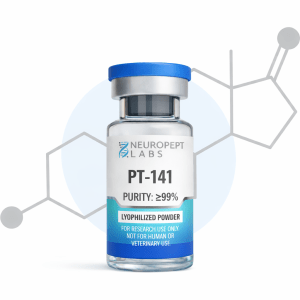
PT-141 10mg vial

PT-141 bremelanotide vial peptide NeuroPept Labs

PT-141 is a synthetic heptapeptide derived from the melanocortin system and is most commonly referred to in the literature as bremelanotide. It is structurally related to melanocortin peptide analogues and has been studied as an agonist at melanocortin receptors, especially MC3R and MC4R. In research discussions, PT-141 is often highlighted for its distinct mechanism because it acts primarily in the central nervous system rather than on vascular tissue.

How PT-141 Works

Bremelanotide synthesis schemePT-141 bremelanotide molecule

The primary research interest in PT-141 centers on its agonist activity at melanocortin receptors, especially MC4R, which is heavily expressed in brain regions involved in sexual motivation and behavior. Activation of these receptors triggers downstream intracellular signaling, including cAMP-related pathways, which helps explain PT-141’s central effects. This makes it a mechanistically distinct peptide compared with therapies that rely on nitric oxide and vascular smooth muscle relaxation.

In simpler terms, PT-141 is studied because it may influence the brain’s sexual response circuitry rather than acting directly on blood flow alone. That distinction is one reason it has drawn attention in both preclinical and clinical research settings.

Research Background and Clinical Interest

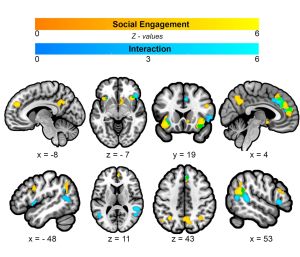
Brain activation meta-analysis
PT-141 Bramalanotide brain pathway visual

PT-141 first gained attention because animal and early human research suggested that melanocortin receptor activation could produce measurable effects on sexual function. Later clinical research led to bremelanotide being investigated for hypoactive sexual desire disorder, with phase 3 studies showing statistically significant improvements in sexual desire and reductions in distress compared with placebo. Those results made it one of the more recognized peptides in this niche area of research PT-141 clinical research

The broader significance of PT-141 is that it demonstrates how peptide-based compounds can influence behavior through neurochemical pathways, not just through hormonal or circulatory mechanisms. That makes it especially relevant to researchers interested in neuroendocrinology, motivational circuitry, and central receptor signaling.

Why Researchers Study It

PT-141 is frequently discussed in research because it offers a different angle from conventional sexual function therapies. Rather than focusing on vascular response, it is associated with central melanocortin signaling, which opens questions about receptor selectivity, neural pathways, and behavioral outcomes. This makes it useful not only in sexual function research but also in studies of motivation, reward, and hypothalamic signaling Bremelanotide mechanism of action


For educational and academic audiences, PT-141 is a strong example of how peptide pharmacology can bridge molecular biology and functional neuroscience. That combination is part of what keeps it relevant in peptide research discussions today.

Safety, Handling, and Research Context

NeuroPept Labs lab research development peptides

In a research context, PT-141 should be handled according to the appropriate laboratory and institutional standards, with clear attention to purity, storage, documentation, and intended use. As with any research peptide, the quality of the material and the consistency of handling conditions matter when evaluating results or comparing studies. Researchers should always distinguish between laboratory research materials and any regulated or approved pharmaceutical formulations.

Current Research Directions

Current interest in PT-141 continues to focus on receptor selectivity, central signaling, and outcome variability across different study populations. Researchers are also interested in how melanocortin agonists interact with broader neurochemical systems such as dopamine and serotonin. These questions matter because they help explain why PT-141 can produce effects that are central and behavior-linked rather than purely peripheral.

Another area of interest is how bremelanotide may fit into future peptide research pipelines, especially where research-grade sourcing, reproducibility, and formulation quality are important. As the field grows, PT-141 remains a notable compound for laboratories studying the interface between peptides and behavior.

A Subtle Note for Researchers

For labs building a peptide-focused catalogue, PT-141 is one of the compounds many teams keep on their watchlist because of its unique receptor profile and growing research relevance. NeuroPept Labs will be adding PT-141 soon, making it easier for research teams to explore this compound within a high-purity peptide lineup.

Oxytocin is one of the most extensively studied neuropeptides in modern biomedical research. Synthesised in the hypothalamus and released by the posterior pituitary gland, this nine-amino-acid peptide operates far beyond its classical role in parturition and lactation — it sits at the intersection of neurobiology, psychiatry, endocrinology, and behavioural science. Understanding its mechanisms is increasingly central to unlocking new therapeutic horizons.


What Is Oxytocin?
Oxytocin hormone

Oxytocin (OXT) is a cyclic nonapeptide with the amino acid sequence Cys-Tyr-Ile-Gln-Asn-Cys-Pro-Leu-Gly-NH2, characterised by a disulfide bridge between positions 1 and 6 that is essential for its biological activity. It is produced primarily by magnocellular neurons in the paraventricular nucleus (PVN) and supraoptic nucleus (SON) of the hypothalamus.

As a pleiotropic hormone, oxytocin acts both peripherally — on smooth muscle in the uterus and mammary glands — and centrally, as a neuromodulator influencing synaptic transmission across multiple brain circuits. This dual nature makes it a particularly compelling subject of laboratory investigation.


Molecular Mechanism of Action

Oxytocin Molecular Mechanism of Action

Oxytocin exerts its effects primarily through the oxytocin receptor (OXTR), a G-protein-coupled receptor (GPCR) linked to Gq proteins. Upon binding, OXTR activation triggers phospholipase C (PLC), generating inositol trisphosphate (IP3) and diacylglycerol (DAG), ultimately raising intracellular calcium concentrations via both endoplasmic reticulum release and extracellular influx.

At the synaptic level, oxytocin modulates both excitatory and inhibitory neurotransmission in a region-specific manner. Research demonstrates that activation of presynaptic oxytocin receptors in the hippocampus enhances glutamate release, while dendritically released oxytocin can paradoxically suppress excitatory transmission through modulation of N-type and P/Q-type voltage-dependent calcium channels. This bidirectionality reflects a sophisticated, context-dependent tuning of neural circuits.

Additionally, oxytocin receptor knockout studies have identified structural consequences at the synapse level, including reduction of postsynaptic density protein 95 (PSD-95), altered dendritic complexity, and shifts in the ratio of excitatory to inhibitory presynapses — underscoring its role as a synaptogenic regulator.


Neuroplasticity and Trophic Effects

hypothalamus and pituitary diagram

Beyond acute signalling, OXT has been shown to stimulate neurogenesis in the hippocampus and modulate expression of key neurotrophic factors, including brain-derived neurotrophic factor (BDNF) and nerve growth factor (NGF). These findings position oxytocin as a potential modulator of long-term neural plasticity, with implications for learning, memory formation, and resilience.

Research also demonstrates that oxytocin promotes the expression of cytoskeletal proteins such as drebrin and vimentin, proteins associated with neurite growth — suggesting an architectural role in shaping dendritic morphology.


Social Behaviour, Trust, and the “Bonding” Hypothesis

Brain activation meta-analysis

Oxytocin earned its popular designation as the “love hormone” or “bonding neuropeptide” through decades of research linking it to trust, empathy, attachment, and prosocial behaviour. Studies consistently show that social interaction triggers oxytocin release in the nucleus accumbens and prefrontal cortex — regions associated with reward processing and social cognition.

Neuroimaging research reveals that intranasal OXT administration reduces amygdala reactivity to social threat cues while enhancing functional connectivity between the amygdala and prefrontal cortex during social evaluation tasks. However, the scientific community has increasingly moved toward a more nuanced picture: rather than simply promoting sociability, oxytocin appears to modulate social salience — amplifying attentional processing of socially relevant stimuli, whether positive or negative.


Therapeutic Research Directions

Scientists in cleanroom lab

The neurobiological implications of oxytocin dysregulation have made it a high-priority target in several clinical research domains:

  • Social Anxiety Disorder (SAD): Clinical trials of intranasal oxytocin have demonstrated promising reductions in social fear responses, enhanced emotion recognition, and increased social approach behaviour, though results remain mixed due to individual variability in OXTR expression

  • Autism Spectrum Disorder (ASD): Preclinical and clinical data suggest oxytocin may enhance time-dependent social responses and partially compensate for deficits in social cognition associated with ASD

  • PTSD and Trauma Memory: Emerging research is investigating oxytocin’s role in memory consolidation following traumatic experiences, with early findings exploring its potential to modulate involuntary trauma recall

  • Metabolic Regulation: A 2026 Frontiers in Endocrinology analysis highlights oxytocin’s dual mechanism in appetite regulation — simultaneously dampening subcortical hedonic food-motivation pathways while enhancing prefrontal cognitive control during food cue exposure

  • Stress and HPA Axis Modulation: Oxytocin’s ability to regulate the hypothalamic-pituitary-adrenal (HPA) axis plays a documented role in emotional regulation and stress resilience


Research Administration Routes and Considerations

In preclinical and early-phase clinical research, oxytocin has been administered through several routes: intravenous, subcutaneous, and — most commonly in human studies — intranasal delivery, which enables partial bypassing of the blood-brain barrier via the olfactory and trigeminal pathways. Key research variables under active investigation include optimal dosing protocols, administration timing, biological sex differences in receptor distribution, and individual genetic variation in the OXTR gene.

It is important to note that all research involving exogenous oxytocin must be conducted under appropriate institutional oversight, following RUO (Research Use Only) designations and applicable regulatory frameworks.


Current Landscape and Future Directions

The scientific literature on oxytocin has expanded dramatically over the past decade, reflecting its broad biological significance. Future research is expected to focus on:

  • Large-scale randomised controlled trials for psychiatric applications

  • Long-term efficacy and safety profiling of oxytocin analogues

  • Development of selective, small-molecule OXTR agonists as more stable alternatives

  • Interdisciplinary integration of genomics, neuroimaging, and behavioural data to stratify patient populations

The scientific community broadly agrees that oxytocin is not a “magic molecule,” but rather a sophisticated modulator whose therapeutic potential will be best unlocked through rigorous, reproducible research design.


A Note on Research-Grade Oxytocin

Oxytocin

As interest in oxytocin research grows across academic and pharmaceutical institutions, demand for high-purity, well-characterised research-grade peptides continues to rise. At NeuroPept Labs, we are committed to supplying the scientific community with rigorously quality-controlled research compounds. Oxytocin is a peptide we are currently preparing to add to our catalogue — stay tuned for its release, and be among the first to access it for your laboratory’s research programme.


Disclaimer: All products offered by NeuroPept Labs are intended strictly for in vitro laboratory research and are not approved for human consumption, therapeutic use, or veterinary application. This article is for educational and scientific informational purposes only.

Meta Description: Explore the neuroscience of oxytocin — its molecular mechanisms, role in social bonding, synaptic plasticity, and emerging therapeutic research. A research-grade educational overview by NeuroPept Labs.

Table of Contents:

    1. What Are GLP-1, GIP, Glucagon
    2. Single vs Multi-Receptor Compounds
    3. Why Researchers Study Multi-Pathway Activation
    4. Current Research Developments

What Are GLP-1, GIP, and Glucagon Pathways?

In the realm of endocrinology and metabolic studies, GLP-1 (Glucagon-Like Peptide-1), GIP (Gastric Inhibitory Polypeptide), and glucagon are pivotal peptides that play a significant role in the regulation of glucose homeostasis and energy metabolism. Understanding these peptides is essential for health enthusiasts, healthcare professionals, and researchers focused on metabolic disorders.

Overview of GLP-1

GLP-1 is an incretin hormone released by the intestinal L-cells in response to food intake. It has multiple functions, including stimulating insulin secretion from the pancreas, inhibiting glucagon release, and slowing gastric emptying. These actions collectively help to reduce postprandial blood glucose levels, making GLP-1 a target for diabetes treatment.

Beyond its role in glucose regulation, GLP-1 also possesses neuroprotective and cardioprotective properties. Its involvement in appetite regulation has garnered interest in obesity research, as GLP-1 promotes satiety and reduces food intake. Therapeutic agents mimicking GLP-1, such as GLP-1 receptor agonists, have gained prominence in recent years.

Overview of GIP

GIP, another incretin hormone, is secreted by the K-cells of the duodenum and jejunum. Unlike GLP-1, GIP primarily functions to stimulate insulin secretion in response to nutrient intake, particularly fats and carbohydrates. However, its role appears to be more complex, given that GIP can also promote fat deposition and has less pronounced effects on appetite modulation compared to GLP-1.

Research has indicated that GIP might play a role in the development of obesity and metabolic syndrome, as its secretion is often elevated in individuals with these conditions. Understanding GIP’s complex role in metabolism is crucial for developing effective treatments for related disorders.

Overview of Glucagon

Glucagon, produced by the alpha cells of the pancreas, is a peptide hormone that plays a critical role in increasing blood glucose levels. It promotes glycogen breakdown in the liver and the production of glucose through gluconeogenesis. While glucagon’s primary role is to counteract hypoglycemia, its involvement in metabolic processes extends beyond blood glucose regulation.

Recent studies have highlighted glucagon’s potential role in energy expenditure and lipid metabolism. Its synergistic relationship with insulin is vital for maintaining metabolic balance, making glucagon another key focus in diabetes and obesity research.

Role in Metabolism

The interplay between GLP-1, GIP, and glucagon forms a complex network that regulates metabolism. While GLP-1 and GIP enhance insulin secretion, glucagon counterbalances these effects by elevating glucose levels when necessary. This delicate balance is crucial for maintaining homeostasis, particularly after meals.

Disruptions in this regulatory system can lead to metabolic disorders such as type 2 diabetes and obesity. Understanding how these peptides interact can provide insights into new therapeutic strategies aimed at restoring metabolic balance.

Single vs Multi-Receptor Compounds

multi-receptor peptides

Definition of Single-Receptor Compounds

Single-receptor compounds are therapeutic agents that target a specific receptor to elicit a desired physiological response. For instance, GLP-1 receptor agonists are designed to bind exclusively to GLP-1 receptors, enhancing insulin secretion and suppressing glucagon release. While effective in managing certain conditions, these agents often fall short in addressing the multifaceted nature of metabolic disorders.

Definition of Multi-Receptor Compounds

In contrast, multi-receptor compounds interact with more than one receptor, allowing for a broader range of physiological effects. These compounds can activate pathways associated with GLP-1, GIP, and glucagon, which may offer a more comprehensive approach to treating metabolic disorders. By simultaneously targeting multiple receptors, these agents can exploit synergistic effects that enhance metabolic outcomes.

Advantages of Multi-Receptor Compounds

The primary advantage of multi-receptor compounds lies in their ability to produce enhanced therapeutic effects. By activating multiple pathways, these compounds can improve insulin sensitivity, regulate appetite, and promote weight loss more effectively than single-receptor agents. This multi-faceted approach is particularly beneficial in populations struggling with obesity and type 2 diabetes, where a singular focus may not yield sufficient results.

Additionally, multi-receptor compounds may reduce the likelihood of adverse effects due to their balanced interaction with various receptors. This interaction can lead to more stable pharmacokinetics and a lower chance of developing tolerance, enhancing the overall efficacy of the treatment.

Why Researchers Study Multi-Pathway Activation

Synergistic Effects on Metabolism

Research into multi-pathway activation is driven by the potential for synergistic effects on metabolism. Combining the actions of GLP-1, GIP, and glucagon can lead to enhanced glucose control, better appetite regulation, and improved lipid metabolism. This interplay is particularly important for individuals with metabolic disorders, who often experience a complex array of symptoms that cannot be adequately addressed by targeting a single pathway.

Studies have shown that multi-receptor activation can result in additive or even multiplicative effects on insulin sensitivity and glucose tolerance, making it a promising area of research for therapeutic development. This understanding is vital as it allows for the design of more effective treatments that consider the intricate interactions between different hormonal pathways.

Potential for Weight Management

One of the most compelling reasons to explore multi-pathway activation is its potential for effective weight management. Many individuals with obesity struggle with both insulin resistance and altered hormonal signaling, leading to increased appetite and decreased energy expenditure. Multi-receptor compounds targeting GLP-1, GIP, and glucagon can help address these issues simultaneously.

Research indicates that multi-receptor agonists can enhance feelings of fullness while reducing hunger and cravings. This dual action not only promotes weight loss but also aids in maintaining weight loss over time, a significant challenge faced by many individuals who attempt dietary changes or pharmacotherapy.

Implications for Diabetes Treatment

The implications for diabetes treatment are profound. With the rise of type 2 diabetes globally, there is an urgent need for innovative therapies that can effectively manage this condition. Multi-receptor compounds offer a novel approach to treating diabetes by regulating blood sugar levels while also promoting weight loss—an essential factor in managing type 2 diabetes.

Clinical trials are currently investigating the efficacy of these compounds, with early results showing promise in improving glycemic control and reducing the need for insulin therapy in some patients. This advancement could transform the treatment landscape for diabetes, providing patients with more effective and holistic options.

Current Research Developments

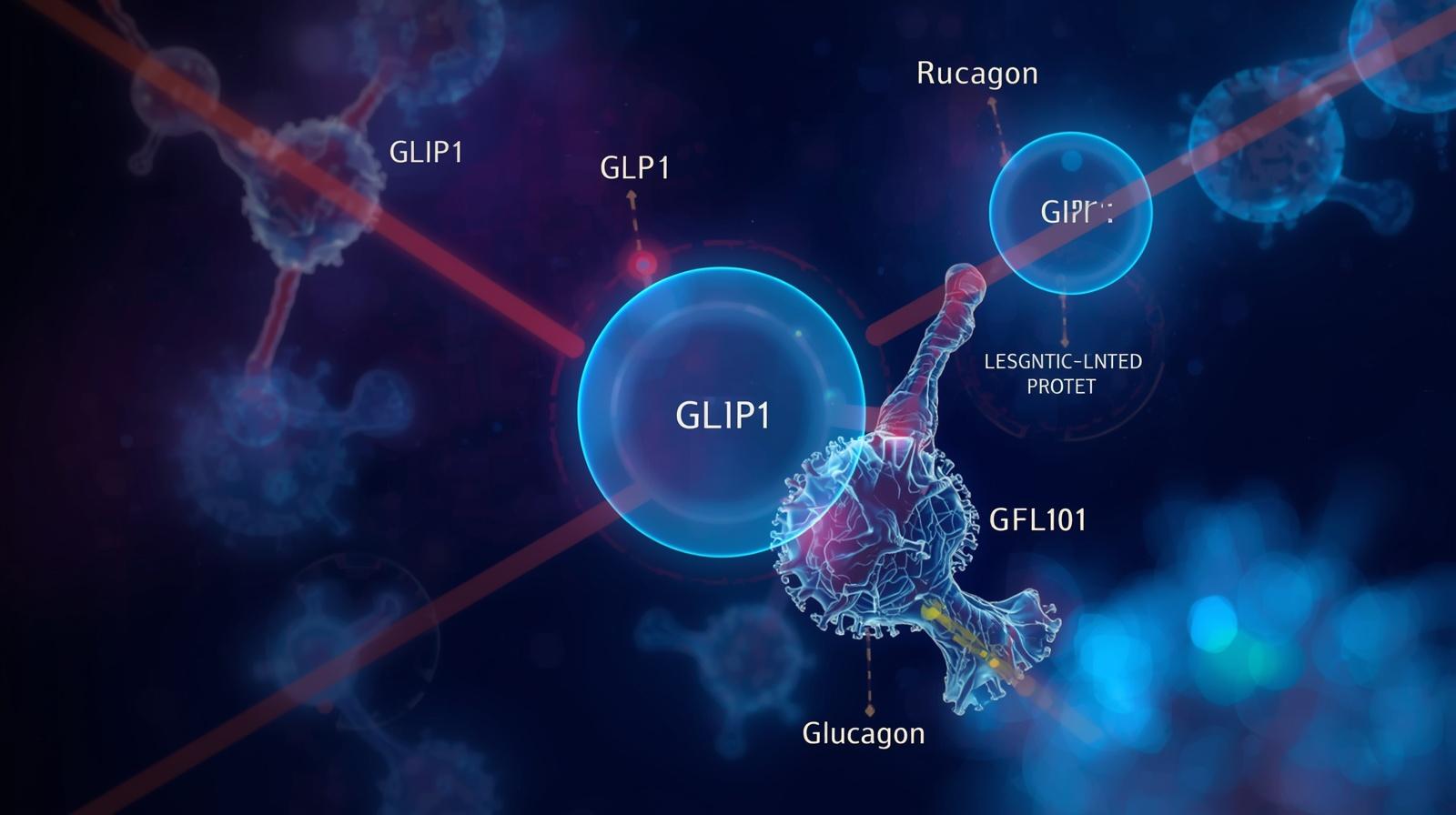
molecular interaction receptors cell signalling
Latest Findings in GLP-1 Research

Recent studies have further elucidated the diverse roles of GLP-1 beyond its insulinotropic effects. Researchers have discovered that GLP-1 may influence brain function, specifically in areas related to appetite regulation and reward pathways. This connection suggests that GLP-1 could be pivotal in treating not just diabetes, but also obesity and eating disorders.

Moreover, advancements in GLP-1 receptor agonists have led to the development of long-acting formulations that enhance patient compliance and therapeutic outcomes. These new agents may offer sustained glycemic control with fewer injections, making them more appealing for individuals managing chronic conditions.

Breakthroughs in GIP Studies

GIP research has evolved significantly, with recent findings indicating that GIP may play a protective role in pancreatic health. Studies suggest that GIP can improve beta-cell function and survival, which is crucial for insulin production. This discovery opens the door for potential therapeutic strategies targeting GIP in diabetes management.

Additionally, researchers are exploring GIP’s role in fat metabolism and its impact on weight gain in individuals with insulin resistance. Understanding these mechanisms can lead to the development of targeted interventions aimed at mitigating the adverse effects of obesity on metabolic health.

Innovations in Glucagon Pathways Research

Innovations in glucagon research are also noteworthy, particularly regarding its role in energy balance and weight loss. Studies have shown that glucagon can stimulate lipolysis, the breakdown of fats for energy. This dual function as both a glucose-raising hormone and a fat-burning agent highlights glucagon’s potential as a therapeutic target for obesity and diabetes.

Current research is investigating the development of glucagon receptor antagonists, which may help in reducing excessive glucagon secretion seen in type 2 diabetes. The possibility of combining glucagon antagonism with GLP-1 and GIP agonism could lead to revolutionary treatments that address multiple facets of metabolic dysfunction.

Future Directions in Multi-Receptor Peptide Research

As research advances, the future directions in multi-receptor peptide research focus on optimizing the therapeutic profiles of these compounds. Investigators are looking to create novel agents that not only activate GLP-1, GIP, and glucagon pathways but also improve patient adherence and minimize side effects.

Moreover, personalized medicine approaches are emerging, with the potential to tailor multi-receptor therapies based on individual metabolic profiles. This could enhance treatment outcomes by ensuring patients receive the most effective therapies for their specific conditions, ultimately leading to improved quality of life.

FAQs

What is the primary role of GLP-1?

GLP-1 primarily stimulates insulin secretion, inhibits glucagon release, and slows gastric emptying, all of which help regulate blood glucose levels.

How do GIP and GLP-1 differ in function?

While both GIP and GLP-1 are incretin hormones, GIP’s primary function is to stimulate insulin secretion in response to nutrient intake, whereas GLP-1 also plays a significant role in appetite regulation and gastric emptying.

What are the benefits of multi-receptor compounds?

Multi-receptor compounds can produce synergistic effects on metabolism, improve insulin sensitivity, regulate appetite, and promote weight loss more effectively than single-receptor agents.

How are GLP-1 and glucagon related?

GLP-1 and glucagon have opposing effects on blood glucose levels; GLP-1 lowers glucose, while glucagon raises it. Their balance is crucial for maintaining metabolic homeostasis.

What advancements are being made with GIP research?

Recent advancements in GIP research indicate its potential protective role in pancreatic health and its involvement in fat metabolism, leading to new therapeutic possibilities for managing diabetes and obesity.

Conclusion

The exploration of GLP-1, GIP, and glucagon pathways reveals a complex interrelationship that is pivotal to understanding metabolic regulation. Multi-receptor peptide research holds great promise for advancing treatment options for metabolic disorders, particularly type 2 diabetes and obesity.

As studies continue to uncover the intricate roles of these peptides and their potential for synergistic effects, the development of multi-receptor compounds could reshape therapeutic strategies. Future research will undoubtedly enhance our understanding of these pathways and their applications in clinical practice, ultimately leading to better health outcomes for individuals struggling with metabolic challenges.


SIGN UP TO OUR NEWSLETTER AND SAVE 10% OFF FOR YOUR NEXT PURCHASE

Let's connect! Access Research-Grade Peptide Insights

Join our research newsletter to receive technical updates, documentation guides, and educational content on synthetic peptides and laboratory standards.
All materials are provided for Research Use Only.