Introduction

Metabolic peptide research has expanded significantly over the past decade, with scientists exploring compounds that influence glucose regulation, mitochondrial function, energy metabolism, and hormonal signaling.

Several peptides are currently attracting attention in metabolic and endocrinology research due to their interactions with incretin pathways, mitochondrial signaling, and growth hormone modulation.

This guide highlights some of the most commonly studied peptides in metabolic research laboratories.


1. Retatrutide (GLP-3RT)

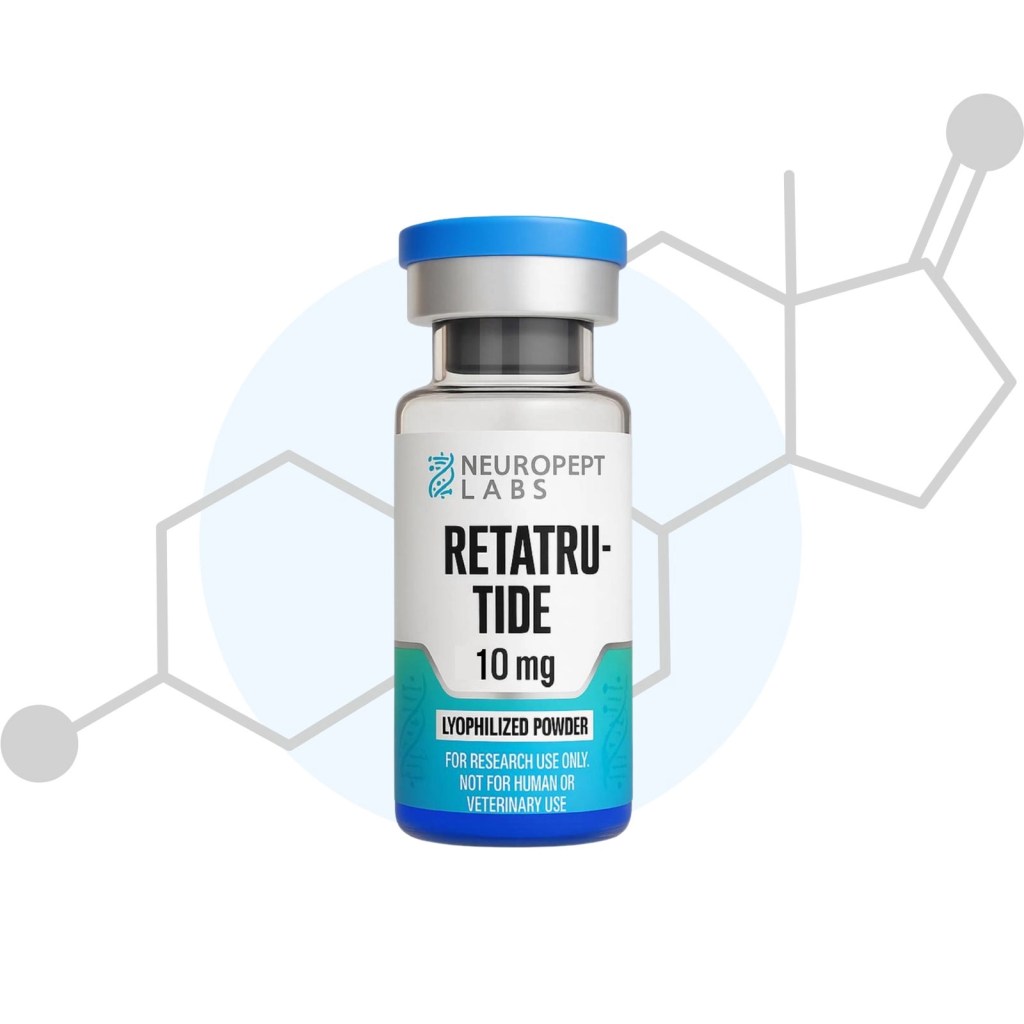
One of the most discussed metabolic peptides in recent research is Retatrutide.

Retatrutide functions as a triple receptor agonist, interacting with:

“¢ GLP-1 receptors
“¢ GIP receptors
“¢ glucagon receptors

Because of this multi-receptor interaction, researchers study Retatrutide for its potential role in metabolic signaling and energy regulation pathways.


2. Tirzepatide

Another widely studied peptide is Tirzepatide, which activates both GLP-1 and GIP receptors.

Dual incretin activation allows researchers to investigate:

“¢ insulin signaling pathways
“¢ appetite-related hormonal signals
“¢ glucose metabolism

Tirzepatide is often compared with newer triple-agonist peptides such as Retatrutide.


3. MOTS-C

MOTS-C is a mitochondrial-derived peptide studied for its potential role in cellular metabolism and mitochondrial signaling.

Unlike incretin peptides, MOTS-C operates at the cellular energy level and is investigated in research involving:

“¢ mitochondrial metabolism
“¢ exercise physiology
“¢ metabolic adaptation


4. CJC-1295

CJC-1295 is commonly used in endocrine research studying growth hormone signaling.

It stimulates the release of growth hormone through the growth hormone releasing hormone pathway.

Researchers often combine CJC-1295 with other peptides when studying hormonal regulatory systems.


5. Ipamorelin

Ipamorelin is another peptide frequently used in research environments.

It interacts with ghrelin receptors and is studied for its effects on growth hormone signaling pathways and metabolic regulation.


Why Metabolic Peptides Are Important in Research

Metabolic peptides allow researchers to study complex physiological systems including:

“¢ endocrine signaling
“¢ appetite regulation pathways
“¢ mitochondrial metabolism
“¢ hormonal feedback loops

As peptide science advances, multi-receptor agonists and mitochondrial peptides are becoming increasingly relevant to metabolic studies.


Research Disclaimer

Peptides described in this article are intended strictly for laboratory research purposes and are not approved for human consumption.


FAQ

What are metabolic peptides?

Metabolic peptides are compounds studied in laboratories for their interaction with pathways that regulate metabolism, hormone signaling, and cellular energy.

Why are incretin peptides important?

Incretin peptides interact with receptors involved in glucose and metabolic signaling, making them valuable for metabolic research.

Retatrutide vs Tirzepatide:

In recent years, peptide-based therapies have transformed the field of metabolic research. Two compounds that have gained major attention are Retatrutide and Tirzepatide. Both belong to a new class of incretin-based drugs designed to influence metabolic pathways related to glucose regulation, appetite signaling, and energy balance.

However, despite some similarities, these two molecules operate through different receptor targets and mechanisms, making them distinct in both scientific research and clinical development.

This article explores the mechanisms, differences, and potential research applications of Retatrutide vs Tirzepatide.


Understanding Incretin-Based Peptides

Incretin hormones are naturally occurring molecules that help regulate glucose metabolism and appetite. The most well-known incretin pathways involve the hormones GLP-1 (glucagon-like peptide-1) and GIP (glucose-dependent insulinotropic polypeptide).

Peptides that activate these receptors are studied extensively in metabolic science because they influence:

“¢ Insulin signaling

“¢ Glucose metabolism

“¢ Appetite regulation

“¢ Gastric emptying

“¢ Energy expenditure

Both Retatrutide and Tirzepatide interact with these pathways””but Retatrutide targets one additional receptor, which makes it unique.


What Is Tirzepatide?

https://www.researchgate.net/publication/372427976/figure/fig1/AS%3A11431281175319475%401689686235025/Molecular-structures-of-tirzepatide.png
https://www.researchgate.net/publication/366023631/figure/fig1/AS%3A11431281105549547%401670445910420/Major-physiological-roles-of-GLP-1-and-GIP-Tirzepatide-is-acting-as-an-agonist-of-GLP-1.ppm

Tirzepatide is a dual incretin receptor agonist that activates both:

“¢ GLP-1 receptors

“¢ GIP receptors

Because of this dual mechanism, Tirzepatide is sometimes referred to as a “twincretin.”

Mechanism of Action

Tirzepatide works by stimulating two metabolic hormone pathways simultaneously:

1. GLP-1 receptor activation

“¢ Enhances insulin secretion
“¢ Slows gastric emptying
“¢ Reduces appetite

2. GIP receptor activation

“¢ Improves insulin sensitivity
“¢ Influences lipid metabolism

The combined effect leads to strong metabolic signaling changes compared with earlier single-pathway GLP-1 drugs.

Clinical Development

Tirzepatide was developed by Eli Lilly and Company and received regulatory approval for treating Type 2 Diabetes. It is marketed under the brand name Mounjaro.

Researchers continue to explore its broader metabolic effects in clinical trials.


What Is Retatrutide?

https://pubchem.ncbi.nlm.nih.gov/image/imgsrv.fcgi?cid=171390338&t=l
https://www.researchgate.net/publication/370926483/figure/fig1/AS%3A11431281185395916%401693619319132/Schematic-illustration-of-monoagonists-dual-agonists-and-triple-agonists-based-on-GLP-1.png

Retatrutide is considered a next-generation incretin peptide because it activates three hormone receptors instead of two.

These include:

GLP-1 receptor
GIP receptor
Glucagon receptor

This makes Retatrutide a triple-agonist peptide, sometimes referred to as a triagonist.

Why the Glucagon Receptor Matters

The glucagon pathway plays a role in:

“¢ Energy expenditure
“¢ Fat metabolism
“¢ Liver glucose production

By stimulating this receptor along with GLP-1 and GIP, Retatrutide may influence both appetite regulation and metabolic energy output simultaneously.

Research Status

Retatrutide is currently under investigation in clinical trials by Eli Lilly and Company and has generated significant interest in metabolic research because of its multi-pathway receptor activity.


Retatrutide vs Tirzepatide: Side-by-Side Comparison

Feature Retatrutide Tirzepatide
Receptor Targets GLP-1 + GIP + Glucagon GLP-1 + GIP
Peptide Class Triple agonist Dual agonist
Developer Eli Lilly Eli Lilly
Metabolic Pathways Appetite + insulin + energy expenditure Appetite + insulin
Clinical Status In clinical trials Approved for Type 2 Diabetes
Nickname “Triagonist” “Twincretin”

Key Takeaway

The major difference is simple:

“¢ Tirzepatide = dual incretin agonist
“¢ Retatrutide = triple hormone receptor agonist

The addition of the glucagon receptor is what potentially differentiates Retatrutide mechanistically.


Mechanistic Differences in Metabolic Signaling

Tirzepatide

Primary focus:

“¢ Insulin regulation
“¢ Appetite suppression
“¢ Glucose metabolism

Retatrutide

Broader metabolic signaling:

“¢ Appetite regulation
“¢ Insulin pathways
“¢ Energy expenditure via glucagon signaling

Because of this expanded receptor activity, Retatrutide has been described in research literature as part of a new generation of metabolic peptides.


Why Scientists Are Interested in Triple-Agonist Peptides

Peptide research is increasingly focused on multi-receptor targeting molecules.

Traditional metabolic drugs targeted one pathway. Modern peptide engineering now allows researchers to design molecules that influence multiple endocrine signals simultaneously.

Potential advantages of multi-agonist peptides include:

“¢ More comprehensive metabolic pathway modulation
“¢ Synergistic hormonal signaling
“¢ Greater research insights into endocrine systems

Retatrutide represents one of the most advanced examples of this approach.


Future of Metabolic Peptide Research

The study of incretin peptides is evolving rapidly. Compounds like Tirzepatide and Retatrutide demonstrate how targeted peptide design can influence multiple biological systems.

Ongoing research continues to examine:

“¢ Hormone receptor interactions
“¢ Metabolic signaling pathways
“¢ Long-term endocrine effects

As peptide science advances, these molecules provide valuable insight into how the body regulates metabolism and energy balance.

Peptide Industry Conferences & Scientific Engagement

NeuroPeptLabs actively monitors leading peptide chemistry, biopharmaceutical manufacturing, and protein science conferences across the United States to stay aligned with current research, formulation advances, and industry standards.

The peptide and biologics sector continues to evolve rapidly, driven by advances in solid-phase synthesis, stability optimization, formulation science, and regulatory standards.

To remain aligned with emerging data and best practices, NeuroPeptLabs follows major U.S. conferences that shape peptide chemistry, protein production, and translational development.

The following events represent key touchpoints within the academic, manufacturing, and clinical peptide ecosystem.

American Peptide Society

Category: Academic / Research
Primary Focus: Peptide synthesis, structural characterization, medicinal chemistry

The APS Symposium is one of the primary academic forums dedicated exclusively to peptide science. Discussions typically include solid-phase synthesis optimization, analytical validation, conformational stability, and translational peptide therapeutics.

CPhI North America

Category: Pharmaceutical Manufacturing
Primary Focus: APIs, CDMOs, GMP supply chains

CPhI North America connects raw material suppliers, contract development manufacturers, and regulatory experts across the pharmaceutical ecosystem.

PepTalk: The Protein Science and Production Conference

Category: Biotech / Biologics
Primary Focus: Protein expression, purification, stability analytics

PepTalk integrates protein science, biologics engineering, and translational development “” relevant to peptide-adjacent biologic platforms.

A4M – American Academy of Anti-Aging Medicine

Category: Clinical / Longevity
Primary Focus: Translational therapeutics, metabolic and hormone-related peptide applications

A4M events reflect the applied clinical landscape where peptide-based therapeutics are discussed within medical and longevity frameworks.

Scientific Monitoring & Industry Alignment

NeuroPeptLabs maintains awareness of academic, manufacturing, and clinical conference developments to remain aligned with evolving peptide research standards.

While we do not represent or sponsor these events, our continued monitoring of scientific forums reflects our commitment to data-driven awareness and responsible industry positioning.

Event schedules, locations, and program content are subject to change. Please refer to official event organizers for the most current information.

Understanding CJC-1295 NO DAC in Research Settings

CJC-1295 NO DAC is a synthetic growth hormone”“releasing hormone (GHRH) analog frequently studied in controlled laboratory environments for receptor interaction analysis and endocrine pathway research.

Unlike its DAC-modified counterpart, CJC-1295 NO DAC is characterized by a shorter half-life due to the absence of the Drug Affinity Complex. In research models, this distinction allows investigators to observe acute receptor signaling patterns rather than prolonged systemic interaction.

From a laboratory standpoint, that difference matters. Shorter activity windows often allow more precise observation of pulse-response mechanisms in vitro.

For laboratories working with receptor-binding assays or endocrine modeling systems, compound stability and purity are the primary considerations.


DAC vs. NO DAC: Why the Distinction Matters in Research

The DAC modification extends plasma half-life by binding to albumin. Removing DAC results in:

  • Shorter interaction duration

  • More controlled temporal exposure

  • Reduced long-acting binding behavior

In a research context, that can be valuable when studying:

  • Signaling cascades

  • Pulsatile interaction models

  • Comparative receptor activation

This is not about “better” or “stronger.” It’s about experimental design.


What Researchers Look For When Sourcing CJC-1295 NO DAC

After years in this industry, I can tell you this: researchers don’t care about flashy branding. They care about:

  • ¥98% purity

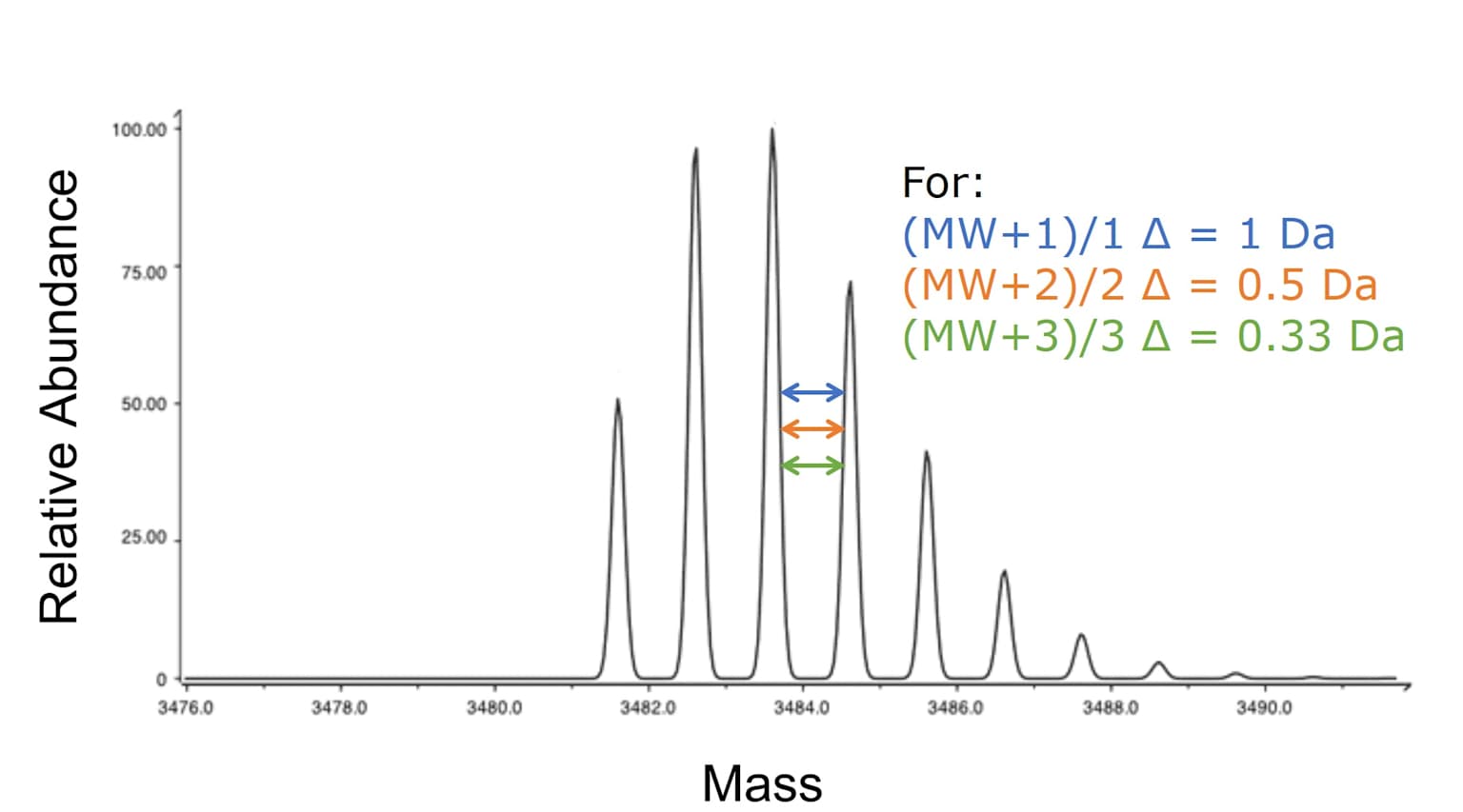
  • Verified HPLC & MS testing

  • Stable lyophilized format

  • Clear storage protocols

  • Consistent batch documentation

Low-cost suppliers often skip proper analytical verification. That becomes obvious once assay inconsistencies start appearing.

If you are sourcing this compound for controlled laboratory work, ensure you are working with a supplier that provides transparent batch-level documentation.

For laboratories seeking verified material, you can review the specifications of our CJC-1295 NO DAC research peptide including COA documentation and purity validation.


Stability & Storage Considerations

CJC-1295 NO DAC is typically supplied as a lyophilized powder to preserve structural integrity. Standard laboratory storage protocols include:

  • ““20°C storage

  • Protection from light

  • Reconstitution with sterile aqueous buffer

As with all peptides, degradation risk increases when exposed to repeated temperature cycling.


Final Thoughts

CJC-1295 NO DAC remains one of the more frequently examined GHRH analogs in experimental research environments. The absence of DAC makes it distinct in kinetic modeling and receptor interaction studies.

The key is not hype “” it’s documentation, purity, and reproducibility.

Laboratories that prioritize validated sourcing avoid the downstream problems that come with inconsistent compound quality.

What Is Retatrutide in a Research Context?

Retatrutide is a synthetic peptide studied for its interaction with multiple receptor pathways in controlled laboratory environments. It has drawn interest in metabolic and receptor signaling research due to its multi-target binding profile.

In laboratory settings, compounds with multi-receptor affinity allow researchers to observe complex signaling cascades and pathway interaction models.

It is important to separate research discussion from clinical narratives. In experimental environments, the focus is strictly on receptor behavior, molecular structure, and controlled analysis.


Why Multi-Target Peptides Matter in Experimental Studies

Single-receptor peptides provide clean signaling data. Multi-target peptides, on the other hand, allow:

  • Cross-pathway signaling observation

  • Comparative receptor activation studies

  • Advanced metabolic modeling frameworks

For researchers building complex in vitro systems, compounds like Retatrutide offer structured ways to analyze multiple receptor interactions within a controlled setting.


Quality Considerations When Sourcing Retatrutide

Here’s where experience matters.

In this niche, the biggest issue isn’t availability “” it’s consistency.

Retatrutide synthesis is structurally complex. That means:

  • Impurities are more common with low-tier labs

  • Analytical verification is critical

  • Batch variability can disrupt research reproducibility

Serious laboratories look for:

  • ¥98% purity

  • HPLC & MS validation

  • Transparent COA documentation

  • Controlled lyophilization process

If you are evaluating suppliers, review testing transparency first “” price second.

You can review analytical specifications and batch validation details for our Retatrutide research peptide directly on the product page.


Storage & Handling

Retatrutide is commonly provided in lyophilized form for stability.

Standard research storage conditions:

  • ““20°C storage

  • Minimal light exposure

  • Avoid repeated freeze”“thaw cycles

Peptide degradation is gradual but measurable. Laboratories running long-term assays should document reconstitution timing carefully.


Closing Perspective

Retatrutide represents an evolution in multi-receptor peptide research design. Its structural complexity is exactly why sourcing discipline matters.

In this industry, the difference between a productive research cycle and weeks of invalidated assay data often comes down to supplier quality control.

Documentation. Purity. Reproducibility.

That’s what serious research depends on.