Tirzepatide vs Retatrutide: Dual vs Triple Agonist

Research-only note: This article is for educational purposes and discusses compounds intended strictly for in vitro and laboratory research. The information below is not medical advice, and the products referenced are not for human consumption.

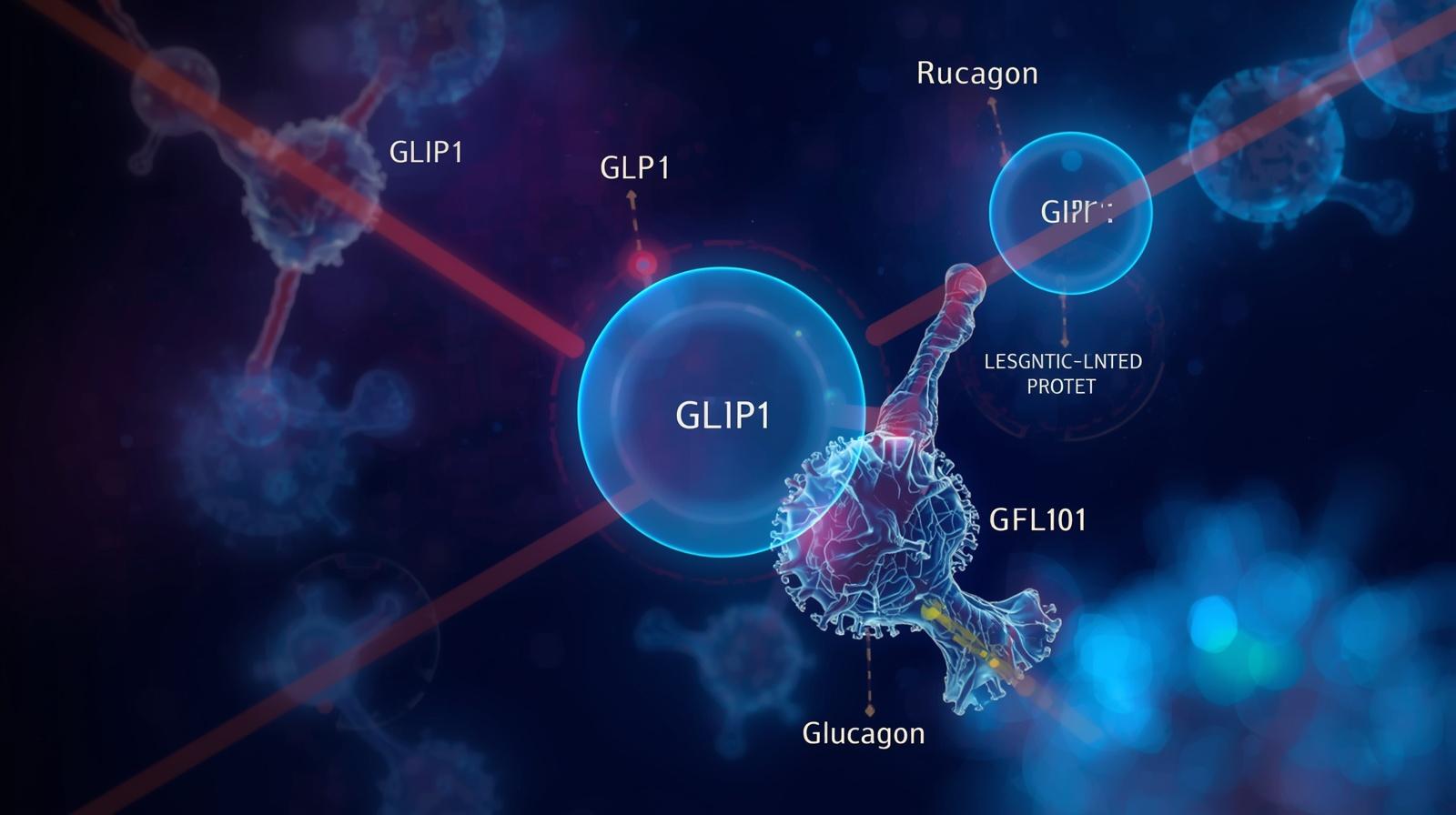
Tirzepatide and Retatrutide are frequently compared in metabolic research because they sit one step apart on the incretin spectrum. Tirzepatide is a dual agonist that activates the GIP and GLP-1 receptors; Retatrutide is a triple agonist that adds a third target, the glucagon receptor. That single added pathway is the heart of the comparison — and the reason researchers study the two side by side.

Key takeaways

  • Dual vs triple: Tirzepatide hits two receptors (GIP, GLP-1); Retatrutide hits three (GIP, GLP-1, glucagon).
  • The added pathway: the glucagon receptor is the defining mechanistic difference.
  • Shared base: both engage the incretin system that amplifies glucose-dependent insulin response.
  • Trial status: Tirzepatide has more mature data; Retatrutide is investigational with ongoing study.
  • Research framing: comparing them isolates what glucagon-receptor activity adds to an incretin backbone.
  • Format: both are supplied as lyophilized powders with batch-specific third-party analytics.

The shared foundation: incretin signaling

Before the differences, it helps to note what these peptides have in common. Both are built on incretin biology — the system by which gut-derived hormones amplify insulin secretion in response to nutrients. Two receptors form that shared base:

  • GLP-1 receptor — suppresses appetite, slows gastric emptying, and enhances glucose-dependent insulin secretion.
  • GIP receptor — supports glucose handling and works with GLP-1 to strengthen the combined incretin response.

Because both compounds activate these two receptors, the comparison is not about whether one has incretin activity and the other does not — they both do. The question is what happens when a third receptor is added on top. For foundational background, see our overview of GLP-1 peptides and the broader GLP-1, GIP, and glucagon pathways.

Tirzepatide: the dual agonist

Tirzepatide is a synthetic peptide engineered to bind both incretin receptors with a single molecule. By co-activating GIP and GLP-1, it produces a combined effect that single-receptor GLP-1 stimulation does not fully replicate. Its key features in research framing are:

  • Two receptors — GIP and GLP-1, engaged simultaneously.
  • Mature dataset — a comparatively well-characterized profile that serves as a reference point.
  • Anchor compound — the baseline against which triple agonists are measured.

Retatrutide: the triple agonist

Retatrutide keeps the dual incretin backbone and adds glucagon-receptor activity, making it the first triple agonist to reach advanced investigational study. The glucagon pathway is what sets it apart, because glucagon signaling touches energy expenditure and hepatic metabolism in ways the incretin receptors do not. Its defining features are:

  • Three receptors — GIP, GLP-1, and glucagon.
  • Energy-expenditure angle — glucagon-receptor activity is studied for effects on metabolic rate and lipid handling.
  • Phase 3 results reported — the pivotal TRIUMPH program has now reported topline Phase 3 data (up to roughly 30% average weight loss), though the compound remains investigational and is not approved.

The two concentrations offered for research, Retatrutide 10mg and Retatrutide 30mg, give researchers flexibility in designing concentration-response work. For the full clinical picture, see our Retatrutide Phase 3 results breakdown.

Side-by-side comparison

The core differences fit neatly into one table:

Feature Tirzepatide Retatrutide
Receptor targets GIP + GLP-1 GIP + GLP-1 + glucagon
Class Dual agonist Triple agonist
Distinct pathway Glucagon receptor
Primary research angle Combined incretin signaling Incretin + energy expenditure
Data maturity More established Investigational; Phase 3 topline reported

Reading across the table, the comparison clarifies what each is best suited to study:

  • Isolating glucagon’s role — running both compounds lets researchers attribute differences specifically to the glucagon receptor.
  • Energy-balance models — the triple agonist is the tool of choice when glucagon-driven energy expenditure is the variable of interest.
  • Reference comparisons — the dual agonist provides the incretin-only baseline that makes the third pathway’s contribution measurable.

What the glucagon pathway adds

The reason this comparison is so common is that glucagon-receptor activity introduces a mechanism the incretin receptors do not cover. In research models, glucagon signaling is associated with several effects that make the triple agonist distinct:

  • Hepatic glucose handling — glucagon classically acts on the liver, a key research focus.
  • Energy expenditure — glucagon-receptor activity is studied for its potential to raise metabolic rate.
  • Lipid metabolism — effects on fat mobilization and lipid markers are an active question.
  • Balance of signals — researchers study how glucagon’s effects are balanced against the incretin-driven insulin response.

This is why a triple agonist is not simply “a stronger dual agonist” — it engages a qualitatively different pathway, and the research interest lies precisely in that distinction. Our coverage of the Retatrutide comparison with established GLP-1 drugs explores the same theme from another angle.

Trial status and how it shapes interpretation

One practical difference researchers weigh is how mature the evidence base is for each compound. Tirzepatide has progressed through extensive study, giving it a relatively deep and consistent dataset, while Retatrutide, though still investigational and not yet approved, has now reported topline Phase 3 TRIUMPH results showing up to roughly 30% average weight loss. This gap matters for how findings are framed:

  • Confidence of comparison — a more established profile provides a steadier reference point.
  • Emerging signals — newer data on the triple agonist should be read as developing rather than settled.
  • Head-to-head limits — the literature still lacks extensive direct comparisons, so much insight comes from parallel rather than side-by-side studies.
  • Evolving picture — conclusions are revisited as additional triple-agonist data accumulates.

For researchers, this means the dual-versus-triple comparison is best treated as a moving target: the mechanistic distinction is clear, but the quantitative picture continues to develop as investigational work proceeds. A finding that holds in one model and concentration range may need re-testing before it can be generalized.

Research applications and the literature

Both peptides appear across overlapping metabolic research domains, with the triple agonist extending into energy-expenditure questions:

  • Glucose metabolism — insulin secretion and sensitivity under multi-receptor stimulation.
  • Appetite and intake — central and peripheral satiety signaling.
  • Energy balance — metabolic rate and lipid handling, especially for the glucagon arm.
  • Comparative pharmacology — dual versus triple agonism as a direct research contrast.

The endpoints researchers commonly track when comparing the two reflect the extra pathway directly:

  • Insulin and glucose response — the shared incretin readout across both compounds.
  • Metabolic rate — the energy-expenditure measure most relevant to the glucagon arm.
  • Hepatic markers — liver-related readouts tied to glucagon signaling.
  • Body composition models — fat and lean-mass changes in preclinical systems.

The accumulating literature on these compounds is indexed in the PubMed database, where researchers track the mechanistic and comparative studies that inform new multi-receptor designs.

Handling, reconstitution, and quality verification

Both peptides are supplied as lyophilized powders, and any valid comparison depends on accurate preparation of each:

  • Storage — keep lyophilized vials cold and protected from light until use.
  • Reconstitution — add diluent slowly down the vial wall and swirl gently rather than shaking.
  • Concentration control — record exact concentrations so dose-response comparisons hold.
  • Documentation — confirm a batch-specific certificate of analysis (COA) for each compound.

Every NeuroPept Labs batch is synthesized under controlled conditions and accompanied by a COA, verifiable at freedomdiagnosticstesting.com using the codes in the product images. For the analytics behind those documents, see our research-grade quality guide.

Considerations for experimental design

Comparing a dual and a triple agonist requires controlling for the extra pathway carefully:

  • Matched conditions — identical glucose and model conditions across both arms.
  • Glucagon-specific endpoints — energy expenditure and hepatic markers, in addition to incretin readouts.
  • Concentration parity — comparable molar concentrations so receptor count, not dose, drives the difference.
  • Verified material — high-purity, accurately quantified peptide so the added pathway’s effect is real, not artifact.

With those controls in place, the comparison does exactly what it is meant to: it shows, in clean data, what the glucagon receptor contributes once a stable incretin backbone is already in place. That is ultimately why both compounds earn a place in a research program rather than one replacing the other — the dual agonist defines the baseline, and the triple agonist reveals what a third pathway adds on top of it.

Frequently asked questions

What is the main difference between Tirzepatide and Retatrutide?

Tirzepatide is a dual agonist that activates the GIP and GLP-1 receptors, while Retatrutide is a triple agonist that adds glucagon-receptor activity. The glucagon pathway is the defining mechanistic difference studied between the two.

Is Retatrutide just a stronger Tirzepatide?

No. Retatrutide is not simply a more potent dual agonist; it engages a qualitatively different third pathway through the glucagon receptor. The research interest lies in what that additional receptor contributes, not just in signal strength.

Why do researchers compare dual and triple agonists?

Comparing a dual agonist with a triple agonist lets researchers isolate the contribution of the glucagon receptor against a shared incretin backbone, which is difficult to study any other way.

Which has more research data, Tirzepatide or Retatrutide?

Tirzepatide has a more established dataset, while Retatrutide is investigational with research data still accumulating. This difference in maturity is itself a factor researchers consider when interpreting comparisons.

What forms do these peptides come in?

Both are supplied as lyophilized (freeze-dried) powders that are reconstituted before laboratory use and stored under refrigeration; Retatrutide is offered in 10mg and 30mg research vials. Each should be accompanied by a batch-specific certificate of analysis.

Are Tirzepatide or Retatrutide approved for human use?

The compounds offered here for research are intended strictly for in vitro and laboratory investigation and are not approved for human consumption or clinical use. All information here is educational and not medical advice.

Research-use-only disclaimer: All products referenced are sold for laboratory and research use only. They are not intended to diagnose, treat, cure, or prevent any disease, and are not for human or veterinary consumption. Explore research-grade Tirzepatide and Retatrutide with third-party verified analytics from NeuroPept Labs.

Retatrutide 10mg vs 30mg: Choosing Concentration for Research

Research-only note: This article is for educational purposes and discusses a compound intended strictly for in vitro and laboratory research. The information below is not medical advice, and the products referenced are not for human consumption. Nothing here describes human dosing.

NeuroPept Labs offers Retatrutide 10mg and Retatrutide 30mg research vials. The two are the same triple-agonist peptide — the difference is the amount of lyophilized material per vial, which determines the range of working concentrations a researcher can prepare. Choosing between them is a practical decision about study scale and concentration math, not about potency.

Key takeaways

  • Same peptide: both vials contain identical Retatrutide; only the quantity differs.
  • Concentration vs amount: the vial size sets how concentrated a solution you can make from a given diluent volume.
  • 10mg vial: suited to smaller studies or lower working concentrations.
  • 30mg vial: suited to larger studies, higher concentrations, or fewer reconstitutions.
  • Reconstitution math: concentration = peptide amount ÷ diluent volume.
  • Format: both are lyophilized powders with batch-specific third-party analytics.

What the two vials actually represent

The first thing to clarify is what the “10mg” and “30mg” labels mean: they describe the mass of lyophilized peptide in the vial, not a concentration and not a strength. Once reconstituted, the concentration depends entirely on how much diluent is added. A few principles follow from this:

  • More material, more flexibility — a larger vial can produce either a higher concentration or a larger total volume.
  • Identical molecule — receptor activity per microgram is the same regardless of vial size.
  • Scale, not strength — the choice is about how much working solution a study needs.

Because Retatrutide is a triple agonist studied across concentration-response work, having two vial sizes simply gives researchers room to match material to experimental scale. For background on the compound’s mechanism, see our coverage of the Retatrutide research findings.

The reconstitution math

The core calculation is simple and the same for both vials: the concentration of a reconstituted solution equals the peptide mass divided by the diluent volume.

  • Formula — concentration (mg/mL) = peptide amount (mg) ÷ diluent volume (mL).
  • Worked example, 10mg vial — 10 mg in 2 mL diluent = 5 mg/mL.
  • Worked example, 30mg vial — 30 mg in 2 mL diluent = 15 mg/mL.
  • Same diluent, different concentration — identical handling, but the 30mg vial yields a threefold higher concentration.

The table below shows how diluent volume maps to concentration for each vial:

Diluent added 10mg vial concentration 30mg vial concentration
1 mL 10 mg/mL 30 mg/mL
2 mL 5 mg/mL 15 mg/mL
3 mL 3.33 mg/mL 10 mg/mL
5 mL 2 mg/mL 6 mg/mL

This is the heart of the decision: the same diluent volume produces very different concentrations depending on vial size, so the choice depends on what working concentration a protocol calls for.

Choosing a diluent

The diluent used to reconstitute either vial affects both solubility and the usable window of the solution, so it is part of the same planning decision as vial size:

  • Bacteriostatic water — contains a small amount of preservative that inhibits microbial growth, supporting a longer refrigerated window for repeated sampling from one vial.
  • Sterile water — preservative-free, generally chosen when a solution will be used quickly.
  • Volume precision — measuring the diluent accurately is what keeps the concentration calculation reliable.
  • Gentle technique — adding diluent slowly down the vial wall protects the peptide during reconstitution.

For a fuller walkthrough of diluents and technique, see our guide on reconstituting research peptides.

A worked planning example

To see how the pieces fit together, consider a simplified planning sequence a researcher might follow when deciding which vial to order:

  • Step 1 — target concentration: suppose a protocol calls for a 10 mg/mL stock solution.
  • Step 2 — total volume: estimate that the study needs roughly 3 mL of that stock across all samples.
  • Step 3 — required mass: 10 mg/mL multiplied by 3 mL equals 30 mg of peptide.
  • Step 4 — vial choice: the 30mg vial reconstituted in 3 mL delivers exactly that, whereas the 10mg vial would require three separate preparations.

The same logic in reverse — starting from a lower concentration and a smaller total volume — would point to the 10mg vial instead. Working through the numbers before ordering is what turns the choice into a calculation rather than guesswork, and it is the single most useful habit for avoiding wasted material.

When researchers choose the 10mg vial

The smaller vial tends to fit certain research situations better than others:

  • Lower working concentrations — when a protocol needs dilute solutions, less material avoids waste.
  • Shorter studies — when the reconstituted solution will be used within its stable window before degrading.
  • Pilot or exploratory work — when a researcher is establishing a concentration range before scaling up.
  • Minimizing leftover peptide — when storage capacity for reconstituted material is limited.

In short, the 10mg vial is often the practical choice for focused or early-stage research where smaller volumes are sufficient.

When researchers choose the 30mg vial

The larger vial suits work at greater scale or higher concentration:

  • Higher working concentrations — when a protocol requires concentrated stock from a modest diluent volume.
  • Larger studies — when more total working solution is needed across many samples or replicates.
  • Fewer reconstitutions — when consolidating material into fewer preparations reduces handling variability.
  • Concentration-response ranges — when a wide span of concentrations must be prepared from one source.

For sustained or larger-scale research, the 30mg vial reduces the number of separate preparations and the variability that can come with them.

Storage and stability considerations

Vial size also interacts with stability planning, because once a peptide is reconstituted it has a finite usable window:

  • Unreconstituted stability — lyophilized powder is stable for long periods when kept cold and dark.
  • Reconstituted window — solutions are refrigerated and used within their validated period.
  • Match material to timeline — choose the vial whose reconstituted volume can realistically be used before it degrades.
  • Aliquoting — dividing reconstituted solution into smaller portions can reduce freeze-thaw and handling cycles.

Thinking about the usable window before reconstituting helps avoid preparing more solution than a study can consume in time.

Quality verification applies to both

Regardless of vial size, the validity of any concentration work depends on starting with verified, high-purity material:

  • Certificate of analysis — both vials ship with a batch-specific COA.
  • Independent testing — COA validity is confirmable at freedomdiagnosticstesting.com using the codes in the product images.
  • Accurate quantity — confirmed peptide mass is what makes the reconstitution math reliable.

For the analytics behind those documents, our research-grade quality guide explains how HPLC and mass spectrometry establish purity and identity. The broader literature on the compound is indexed in the PubMed database.

Considerations for experimental design

Choosing a vial size is ultimately a planning step that should follow from the experiment, not precede it:

  • Define the working concentration first — then back-calculate the vial and diluent volume needed.
  • Estimate total volume — sum the solution required across all samples and replicates.
  • Account for the stability window — ensure the chosen amount can be used in time.
  • Standardize across runs — keep concentration and diluent consistent so results are comparable.

With the target concentration and total volume defined, the choice between the 10mg and 30mg vial usually becomes obvious — it is simply whichever one reaches the required concentration with the least waste and handling. Because both Retatrutide vials contain the identical triple-agonist peptide, a researcher can also standardize on one size across a project and adjust diluent volume per experiment, keeping the source material consistent while varying only the prepared concentration. That consistency is often more valuable to reproducibility than picking the “perfect” vial for any single run.

Frequently asked questions

Is Retatrutide 30mg stronger than 10mg?

No. Both vials contain the same Retatrutide peptide; the 30mg vial simply holds more material. Strength per microgram is identical — the difference is how much total peptide is available and therefore what concentrations can be prepared.

How do I calculate the concentration after reconstitution?

Concentration equals the peptide amount divided by the diluent volume. For example, 10 mg in 2 mL gives 5 mg/mL, while 30 mg in 2 mL gives 15 mg/mL. This calculation is for research preparation only.

Which vial should I choose for my research?

Define the working concentration and total volume your protocol needs, then choose the vial that reaches that concentration with the least waste. The 10mg vial suits smaller or lower-concentration work; the 30mg vial suits larger-scale or higher-concentration work.

Does vial size affect stability?

The lyophilized powder is stable long-term in both vial sizes when stored cold and dark. Once reconstituted, both have a finite refrigerated window, so the practical guidance is to prepare only as much solution as a study can use in time.

Do both vials come with a certificate of analysis?

Yes. Both the 10mg and 30mg research vials ship with a batch-specific certificate of analysis, and COA validity can be independently confirmed using the codes provided with the product.

Is Retatrutide approved for human use?

No. Retatrutide offered for research is intended strictly for in vitro and laboratory investigation and is not approved for human consumption or clinical use. All information here is educational and not medical advice.
Research-use-only disclaimer: All products referenced are sold for laboratory and research use only. They are not intended to diagnose, treat, cure, or prevent any disease, and are not for human or veterinary consumption. Explore research-grade Retatrutide 10mg and Retatrutide 30mg with third-party verified analytics from NeuroPept Labs.

Retatrutide Phase 3 Results: Up to 30.3% Weight Loss Across Lilly’s TRIUMPH Trials

Research & reporting note: This article summarizes publicly reported Phase 3 clinical trial results for Eli Lilly’s investigational drug retatrutide. NeuroPept Labs supplies retatrutide only as a research-use-only reference compound for laboratory study; it is not the Lilly product, is not for human consumption, and the clinical outcomes below are Lilly’s trial findings, not claims about any product sold here.

Retatrutide is a first-in-class GIP, GLP-1, and glucagon triple hormone-receptor agonist developed by Eli Lilly. Across its Phase 3 TRIUMPH program, the once-weekly investigational peptide produced average weight reductions of up to 30.3% (about 85 lbs) in obesity trials and up to 28.7% (?71.2 lbs) alongside 75.8% knee osteoarthritis pain relief — among the largest weight-loss figures reported for a pharmacological agent in a Phase 3 setting to date.

Key results at a glance

  • Mechanism: first-in-class triple agonist — GIP + GLP-1 + glucagon receptors.
  • TRIUMPH-1 (obesity): up to 28.3% weight loss at 80 weeks; 30.3% (85 lbs) at 104 weeks with no plateau.
  • TRIUMPH-4 (obesity + knee OA): up to 28.7% (?71.2 lbs) and a 75.8% reduction in knee pain.
  • Bariatric-level threshold: 45.3% of the highest-dose group achieved ?30% weight loss.
  • Status: investigational — not yet approved; additional Phase 3 trials reading out through 2026.
  • Research relevance: a leading model compound for studying multi-receptor incretin and glucagon signaling.

What is retatrutide?

Retatrutide is a once-weekly injectable peptide that simultaneously activates three metabolic hormone receptors:

  • GLP-1 (glucagon-like peptide-1) — suppresses appetite, slows gastric emptying, and enhances glucose-dependent insulin secretion.
  • GIP (glucose-dependent insulinotropic polypeptide) — supports glucose handling and amplifies the incretin response.
  • Glucagon — the third, differentiating pathway, associated with increased energy expenditure and hepatic fat metabolism.

This triple-receptor design distinguishes it from single GLP-1 agonists such as semaglutide and from dual GIP/GLP-1 agonists such as tirzepatide. The added glucagon activity is widely credited with the unusually large weight reductions observed in the trials. For the mechanistic background, see our overviews of the GLP-1 incretin system and the GLP-1, GIP, and glucagon pathways.

TRIUMPH-1: the pivotal obesity trial

TRIUMPH-1 evaluated the peptide in adults with obesity or overweight and at least one weight-related comorbidity, without diabetes. It tested three once-weekly doses against placebo, with a primary endpoint at 80 weeks and an extension to 104 weeks. The dose-dependent results were striking:

Dose (weekly) Average weight loss Pounds lost
4 mg 19.0% 47.2 lbs
9 mg 25.9% 64.4 lbs
12 mg 28.3% 70.3 lbs
12 mg (104-week extension) 30.3% 85.0 lbs

Beyond the averages, several findings stood out in the highest-dose (12 mg) group:

  • 45.3% achieved 30% or greater weight loss — a threshold historically associated with bariatric surgery.
  • 65.3% reached a BMI below 30 (out of the obese range) by week 80.
  • No weight-loss plateau was observed through 104 weeks, with continued reduction in the extension.

The absence of a plateau is a particularly notable research observation, since most weight-management agents show a leveling-off within the first year.

TRIUMPH-4: weight loss plus osteoarthritis pain relief

TRIUMPH-4 was a 68-week trial evaluating the two highest doses in adults with obesity or overweight and knee osteoarthritis, without diabetes. From an average baseline weight of 112.7 kg (248.5 lbs) and a BMI of 40.4, the results linked metabolic and joint outcomes:

  • Weight loss of up to 28.7% (?32.3 kg / ?71.2 lbs) at 68 weeks.
  • Knee pain reduced by up to 4.5 points on the WOMAC pain scale — a 75.8% reduction.
  • Physical function significantly improved on validated measures.
  • More than 1 in 8 retatrutide-treated participants were completely free of knee pain by the end of the trial.

TRIUMPH-4 is significant because it connects substantial weight loss to a measurable improvement in an inflammatory, weight-associated condition — expanding the research interest in triple agonism beyond weight alone.

The wider TRIUMPH program and diabetes data

TRIUMPH-1 and TRIUMPH-4 are part of a broader Phase 3 program spanning obesity, type 2 diabetes, and cardiovascular disease:

  • TRIUMPH-2 and TRIUMPH-3 — evaluated the triple agonist in adults with obesity and type 2 diabetes or established cardiovascular disease, reporting positive topline weight and A1C results.
  • Type 2 diabetes — a dedicated Phase 3 trial reported significant reductions in both A1C and body weight.
  • Ongoing readouts — additional Phase 3 trials in obesity and diabetes are expected to complete through 2026.

Together these trials position it as a multi-indication candidate rather than a weight-loss agent alone, which is part of why it is so frequently referenced in metabolic research. The breadth also matters scientifically: a single molecule that shows benefit across obesity, joint pain, glycemic control, and — pending readouts — cardiovascular endpoints suggests the three targeted pathways touch several interconnected disease processes at once. For researchers, that raises questions the trials themselves cannot fully answer, such as how much of the joint-pain improvement is driven by weight loss versus a direct anti-inflammatory effect, or how the glucagon arm’s energy-expenditure contribution scales across different patient populations. Those open questions are precisely what keeps triple-agonist pharmacology an active area of laboratory study rather than a settled one, and they are the reason a well-characterized reference compound remains valuable for controlled mechanistic work.

How retatrutide compares

Placing retatrutide against the current generation of incretin therapies clarifies why its Phase 3 numbers drew attention:

Agent Class Receptors Reported Phase 3 weight loss
Semaglutide Single agonist GLP-1 ~15%
Tirzepatide Dual agonist GIP + GLP-1 ~20–23%
Retatrutide Triple agonist GIP + GLP-1 + glucagon up to ~30%

For deeper comparisons, see our research guides on Tirzepatide vs Retatrutide and Retatrutide vs Ozempic vs Mounjaro. The consistent theme is that each added receptor pathway has been associated with incremental weight-loss magnitude in the clinical literature.

Safety and tolerability context

In the reported trials, its safety profile was broadly consistent with the incretin drug class. The most common adverse events were gastrointestinal — nausea, diarrhea, vomiting, and constipation — generally mild to moderate and most frequent during dose escalation. As with all investigational agents, the complete safety picture will depend on peer-reviewed publication and regulatory review of the full datasets. Nothing in this summary should be interpreted as guidance for human use.

What this means for research

For laboratories studying metabolic signaling, retatrutide has become a reference triple agonist — a single molecule that engages the GIP, GLP-1, and glucagon receptors and therefore lets researchers probe how these pathways interact. Its role in research includes:

  • Receptor pharmacology — characterizing simultaneous three-receptor activation versus single- or dual-agonist controls.
  • Energy-expenditure models — isolating the contribution of the glucagon pathway.
  • Comparative studies — benchmarking against tirzepatide and GLP-1 agonists.

NeuroPept Labs supplies research-grade Retatrutide 10mg and Retatrutide 30mg as lyophilized reference compounds with batch-specific third-party analytics, for in vitro and laboratory research only. These are not the Lilly clinical formulation and are not intended for human use.

Regulatory status

The compound remains investigational. It is not approved by the FDA or other regulators for any use, and the Phase 3 results summarized here are topline trial findings reported by Eli Lilly. Regulatory submissions and any approval decisions would follow completion and review of the full Phase 3 program. Primary sources include Lilly’s investor releases on the pivotal obesity trial and the osteoarthritis (TRIUMPH-4) trial.

Frequently asked questions

How much weight did retatrutide cause in Phase 3 trials?

In Lilly’s Phase 3 TRIUMPH program, retatrutide produced average weight loss of up to 28.3% (70.3 lbs) at 80 weeks in the TRIUMPH-1 obesity trial, rising to 30.3% (about 85 lbs) at 104 weeks, and up to 28.7% (?71.2 lbs) in the TRIUMPH-4 osteoarthritis trial. These are clinical trial results for an investigational drug, not outcomes for any research-use product.

What makes retatrutide different from Ozempic or Mounjaro?

Retatrutide is a triple agonist that activates GIP, GLP-1, and glucagon receptors. Ozempic (semaglutide) is a single GLP-1 agonist, and Mounjaro (tirzepatide) is a dual GIP/GLP-1 agonist. The added glucagon pathway is associated with retatrutide’s larger reported weight loss.

Did retatrutide help with osteoarthritis?

In the Phase 3 TRIUMPH-4 trial, retatrutide reduced knee osteoarthritis pain by up to 75.8% on the WOMAC pain scale and improved physical function, with more than one in eight participants completely free of knee pain by the end of the trial, alongside up to 28.7% weight loss.

Is retatrutide FDA approved?

No. Retatrutide is an investigational drug and is not approved by the FDA or other regulators. The Phase 3 results reported by Lilly are topline findings; regulatory review would follow completion of the full program.

What is retatrutide’s mechanism of action?

Retatrutide simultaneously activates three receptors: GLP-1 (appetite and insulin), GIP (glucose handling), and glucagon (energy expenditure and hepatic fat metabolism). This triple-agonist mechanism is the basis of its research and clinical interest.

Can I buy retatrutide for weight loss?

No. The retatrutide referenced by NeuroPept Labs is a research-use-only reference compound intended strictly for in vitro and laboratory investigation. It is not for human consumption, is not the approved or investigational clinical product, and nothing here is medical advice.

Research-use-only disclaimer: All products referenced are sold for laboratory and research use only. They are not intended to diagnose, treat, cure, or prevent any disease, and are not for human or veterinary consumption. Clinical results described are Eli Lilly’s Phase 3 trial findings for an investigational drug. Explore research-grade Retatrutide with third-party verified analytics from NeuroPept Labs.

GLP-1 peptides and incretin receptor signalling “” a research-focused overview for laboratory scientists and peptide researchers.

GLP-1 (glucagon-like peptide-1) is one of the most studied peptide hormones in modern metabolic research. Originally identified as an incretin hormone produced in the gut in response to food intake, GLP-1 has since become the basis for an entire class of synthetic receptor agonists that are now among the most researched compounds in preclinical and clinical metabolic science. Understanding how GLP-1 works at the receptor level “” and how it compares to GIP and glucagon receptor signalling “” is fundamental for any researcher working in metabolic biology, endocrinology, or peptide pharmacology.

For research and laboratory use only. All NeuroPept Labs compounds are intended strictly for in vitro scientific research and are not approved for human consumption or therapeutic use. Read more “GLP-1 Peptides Explained: Receptor Signalling and Incretin Research Overview | NeuroPept Labs”

Table of Contents:

    1. What Are GLP-1, GIP, Glucagon
    2. Single vs Multi-Receptor Compounds
    3. Why Researchers Study Multi-Pathway Activation
    4. Current Research Developments

What Are GLP-1, GIP, and Glucagon Pathways?

In the realm of endocrinology and metabolic studies, GLP-1 (Glucagon-Like Peptide-1), GIP (Gastric Inhibitory Polypeptide), and glucagon are pivotal peptides that play a significant role in the regulation of glucose homeostasis and energy metabolism. Understanding these peptides is essential for health enthusiasts, healthcare professionals, and researchers focused on metabolic disorders.

Overview of GLP-1

GLP-1 is an incretin hormone released by the intestinal L-cells in response to food intake. It has multiple functions, including stimulating insulin secretion from the pancreas, inhibiting glucagon release, and slowing gastric emptying. These actions collectively help to reduce postprandial blood glucose levels, making GLP-1 a target for diabetes treatment.

Beyond its role in glucose regulation, GLP-1 also possesses neuroprotective and cardioprotective properties. Its involvement in appetite regulation has garnered interest in obesity research, as GLP-1 promotes satiety and reduces food intake. Therapeutic agents mimicking GLP-1, such as GLP-1 receptor agonists, have gained prominence in recent years.

Overview of GIP

GIP, another incretin hormone, is secreted by the K-cells of the duodenum and jejunum. Unlike GLP-1, GIP primarily functions to stimulate insulin secretion in response to nutrient intake, particularly fats and carbohydrates. However, its role appears to be more complex, given that GIP can also promote fat deposition and has less pronounced effects on appetite modulation compared to GLP-1.

Research has indicated that GIP might play a role in the development of obesity and metabolic syndrome, as its secretion is often elevated in individuals with these conditions. Understanding GIP’s complex role in metabolism is crucial for developing effective treatments for related disorders.

Overview of Glucagon

Glucagon, produced by the alpha cells of the pancreas, is a peptide hormone that plays a critical role in increasing blood glucose levels. It promotes glycogen breakdown in the liver and the production of glucose through gluconeogenesis. While glucagon’s primary role is to counteract hypoglycemia, its involvement in metabolic processes extends beyond blood glucose regulation.

Recent studies have highlighted glucagon’s potential role in energy expenditure and lipid metabolism. Its synergistic relationship with insulin is vital for maintaining metabolic balance, making glucagon another key focus in diabetes and obesity research.

Role in Metabolism

The interplay between GLP-1, GIP, and glucagon forms a complex network that regulates metabolism. While GLP-1 and GIP enhance insulin secretion, glucagon counterbalances these effects by elevating glucose levels when necessary. This delicate balance is crucial for maintaining homeostasis, particularly after meals.

Disruptions in this regulatory system can lead to metabolic disorders such as type 2 diabetes and obesity. Understanding how these peptides interact can provide insights into new therapeutic strategies aimed at restoring metabolic balance.

Single vs Multi-Receptor Compounds
multi-receptor peptides

Definition of Single-Receptor Compounds

Single-receptor compounds are therapeutic agents that target a specific receptor to elicit a desired physiological response. For instance, GLP-1 receptor agonists are designed to bind exclusively to GLP-1 receptors, enhancing insulin secretion and suppressing glucagon release. While effective in managing certain conditions, these agents often fall short in addressing the multifaceted nature of metabolic disorders.

Definition of Multi-Receptor Compounds

In contrast, multi-receptor compounds interact with more than one receptor, allowing for a broader range of physiological effects. These compounds can activate pathways associated with GLP-1, GIP, and glucagon, which may offer a more comprehensive approach to treating metabolic disorders. By simultaneously targeting multiple receptors, these agents can exploit synergistic effects that enhance metabolic outcomes.

Advantages of Multi-Receptor Compounds

The primary advantage of multi-receptor compounds lies in their ability to produce enhanced therapeutic effects. By activating multiple pathways, these compounds can improve insulin sensitivity, regulate appetite, and promote weight loss more effectively than single-receptor agents. This multi-faceted approach is particularly beneficial in populations struggling with obesity and type 2 diabetes, where a singular focus may not yield sufficient results.

Additionally, multi-receptor compounds may reduce the likelihood of adverse effects due to their balanced interaction with various receptors. This interaction can lead to more stable pharmacokinetics and a lower chance of developing tolerance, enhancing the overall efficacy of the treatment.

Why Researchers Study Multi-Pathway Activation

Synergistic Effects on Metabolism

Research into multi-pathway activation is driven by the potential for synergistic effects on metabolism. Combining the actions of GLP-1, GIP, and glucagon can lead to enhanced glucose control, better appetite regulation, and improved lipid metabolism. This interplay is particularly important for individuals with metabolic disorders, who often experience a complex array of symptoms that cannot be adequately addressed by targeting a single pathway.

Studies have shown that multi-receptor activation can result in additive or even multiplicative effects on insulin sensitivity and glucose tolerance, making it a promising area of research for therapeutic development. This understanding is vital as it allows for the design of more effective treatments that consider the intricate interactions between different hormonal pathways.

Potential for Weight Management

One of the most compelling reasons to explore multi-pathway activation is its potential for effective weight management. Many individuals with obesity struggle with both insulin resistance and altered hormonal signaling, leading to increased appetite and decreased energy expenditure. Multi-receptor compounds targeting GLP-1, GIP, and glucagon can help address these issues simultaneously.

Research indicates that multi-receptor agonists can enhance feelings of fullness while reducing hunger and cravings. This dual action not only promotes weight loss but also aids in maintaining weight loss over time, a significant challenge faced by many individuals who attempt dietary changes or pharmacotherapy.

Implications for Diabetes Treatment

The implications for diabetes treatment are profound. With the rise of type 2 diabetes globally, there is an urgent need for innovative therapies that can effectively manage this condition. Multi-receptor compounds offer a novel approach to treating diabetes by regulating blood sugar levels while also promoting weight loss””an essential factor in managing type 2 diabetes.

Clinical trials are currently investigating the efficacy of these compounds, with early results showing promise in improving glycemic control and reducing the need for insulin therapy in some patients. This advancement could transform the treatment landscape for diabetes, providing patients with more effective and holistic options.

Current Research Developments

molecular interaction receptors cell signalling
Latest Findings in GLP-1 Research

Recent studies have further elucidated the diverse roles of GLP-1 beyond its insulinotropic effects. Researchers have discovered that GLP-1 may influence brain function, specifically in areas related to appetite regulation and reward pathways. This connection suggests that GLP-1 could be pivotal in treating not just diabetes, but also obesity and eating disorders.

Moreover, advancements in GLP-1 receptor agonists have led to the development of long-acting formulations that enhance patient compliance and therapeutic outcomes. These new agents may offer sustained glycemic control with fewer injections, making them more appealing for individuals managing chronic conditions.

Breakthroughs in GIP Studies

GIP research has evolved significantly, with recent findings indicating that GIP may play a protective role in pancreatic health. Studies suggest that GIP can improve beta-cell function and survival, which is crucial for insulin production. This discovery opens the door for potential therapeutic strategies targeting GIP in diabetes management.

Additionally, researchers are exploring GIP’s role in fat metabolism and its impact on weight gain in individuals with insulin resistance. Understanding these mechanisms can lead to the development of targeted interventions aimed at mitigating the adverse effects of obesity on metabolic health.

Innovations in Glucagon Pathways Research

Innovations in glucagon research are also noteworthy, particularly regarding its role in energy balance and weight loss. Studies have shown that glucagon can stimulate lipolysis, the breakdown of fats for energy. This dual function as both a glucose-raising hormone and a fat-burning agent highlights glucagon’s potential as a therapeutic target for obesity and diabetes.

Current research is investigating the development of glucagon receptor antagonists, which may help in reducing excessive glucagon secretion seen in type 2 diabetes. The possibility of combining glucagon antagonism with GLP-1 and GIP agonism could lead to revolutionary treatments that address multiple facets of metabolic dysfunction.

Future Directions in Multi-Receptor Peptide Research

As research advances, the future directions in multi-receptor peptide research focus on optimizing the therapeutic profiles of these compounds. Investigators are looking to create novel agents that not only activate GLP-1, GIP, and glucagon pathways but also improve patient adherence and minimize side effects.

Moreover, personalized medicine approaches are emerging, with the potential to tailor multi-receptor therapies based on individual metabolic profiles. This could enhance treatment outcomes by ensuring patients receive the most effective therapies for their specific conditions, ultimately leading to improved quality of life.

FAQs

What is the primary role of GLP-1?

GLP-1 primarily stimulates insulin secretion, inhibits glucagon release, and slows gastric emptying, all of which help regulate blood glucose levels.

How do GIP and GLP-1 differ in function?

While both GIP and GLP-1 are incretin hormones, GIP’s primary function is to stimulate insulin secretion in response to nutrient intake, whereas GLP-1 also plays a significant role in appetite regulation and gastric emptying.

What are the benefits of multi-receptor compounds?

Multi-receptor compounds can produce synergistic effects on metabolism, improve insulin sensitivity, regulate appetite, and promote weight loss more effectively than single-receptor agents.

How are GLP-1 and glucagon related?

GLP-1 and glucagon have opposing effects on blood glucose levels; GLP-1 lowers glucose, while glucagon raises it. Their balance is crucial for maintaining metabolic homeostasis.

What advancements are being made with GIP research?

Recent advancements in GIP research indicate its potential protective role in pancreatic health and its involvement in fat metabolism, leading to new therapeutic possibilities for managing diabetes and obesity.

Conclusion

The exploration of GLP-1, GIP, and glucagon pathways reveals a complex interrelationship that is pivotal to understanding metabolic regulation. Multi-receptor peptide research holds great promise for advancing treatment options for metabolic disorders, particularly type 2 diabetes and obesity.

As studies continue to uncover the intricate roles of these peptides and their potential for synergistic effects, the development of multi-receptor compounds could reshape therapeutic strategies. Future research will undoubtedly enhance our understanding of these pathways and their applications in clinical practice, ultimately leading to better health outcomes for individuals struggling with metabolic challenges.

SIGN UP TO OUR NEWSLETTER AND SAVE 10% OFF FOR YOUR NEXT PURCHASE

Let's connect! Access Research-Grade Peptide Insights

Join our research newsletter to receive technical updates, documentation guides, and educational content on synthetic peptides and laboratory standards.
All materials are provided for Research Use Only.